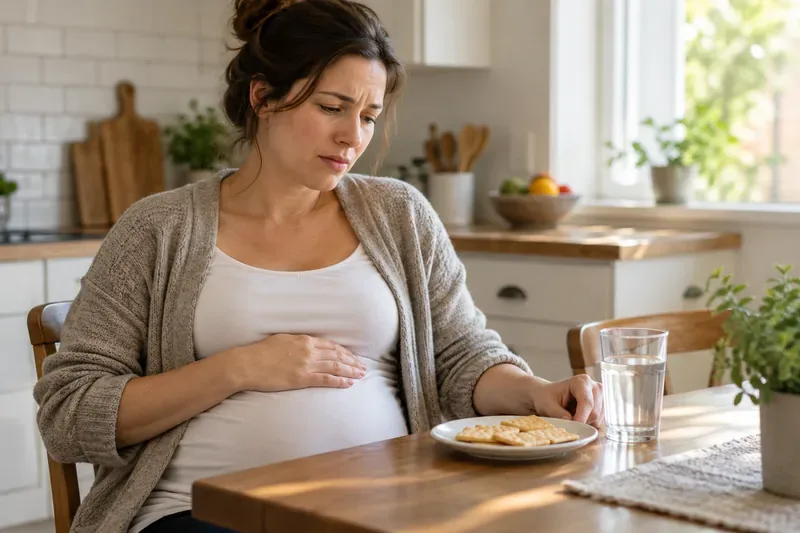
During pregnancy, women often receive a lot of food that is thought to be good for the fetus. However, not so that you can "eat the whole world" carefree! Because there are many things that need to be taboo in early pregnancy to ensure the health of the fetus. So what should not be eaten during the first 3 months of pregnancy? The answer lies in the article below.
In fact, there are many foods that are harmful to the health of both the mother and the baby in the womb. According to experts, pregnant women in the first 3 months of pregnancy should not eat anything, abstain from anything or suggestions about safe foods that need attention.
1. Fruits and vegetables can cause birth defects
What should not eat during the first 3 months of pregnancy? Should not eat raw vegetables
Sprouts are also on the list of pregnant women who should not eat anything in the first 3 months. Do not eat any sprouts raw, including bean sprouts. Bacteria can survive in the seed before the sprouts grow and you cannot get rid of all the bacteria on the vegetable. You should cook it to kill any bacteria on the vegetables.
What is the first trimester of pregnancy? Don't choose unwashed fruits and vegetables and fresh juices
To ensure no bacterial contamination, you should wash vegetables thoroughly with water and soak in salt before eating and processing. Pregnant mothers need to limit eating raw vegetables as much as possible, because these can be potential pathogens!
For fresh fruit juices, even if the juice at the restaurant does not eliminate the risk of fruit that has not been washed before processing to eliminate harmful bacteria, including E. coli and salmonella.
3-month pregnant women need to abstain from what Avoid pickles
Types of pickles are foods that are processed by using salt mixed with some stems, leaves, flowers, fruits and tubers to ferment sour under the effect of some microorganisms. Eating pickles brings many positive effects for the body and daily meals. But if you don't know how to use it properly, pickles can sometimes turn into harm.
Because in the first few days of pickling salt, microorganisms will convert nitrate in the raw materials into nitric, making the nitric content increase, the pH decreases gradually (meaning the acidity increases). Melons at this stage have a pungent, pungent taste, and contain a lot of nitrates that are very harmful to the body.
Some other vegetables and tubers should not be eaten in the first trimester
Some foods, vegetables and fruits are not good for pregnant women in the first 3 months to prevent the risk of miscarriage, pregnancy, including:
Vegetables shrinkage
Laksa leaves
Beetroot
2. Foods such as raw seafood and meat should not be eaten in the first 3 months of pregnancy
Do not eat uncooked poultry and eggs
You have a very high risk of food poisoning due to bacteria if you do not know the list of pregnant women who should not eat anything in the first 3 months. This is because the body's response to unhygienic foods is much more serious now. Accordingly, when pregnant mothers encounter this condition, the fetus is more or less affected.
Therefore, add uncooked poultry and eggs (fried eggs, boiled eggs) to the list of answers to the first trimester of pregnancy question.
Avoid seafood high in mercury
Seafood, especially fish, is a rich source of protein and omega-3 fatty acids that are good for the brain and eyes, but you need a basic knowledge of fish to be able to make smart choices. .
However, there are a few types of fish and crustaceans that pregnant mothers should avoid in the first trimester, because they carry high levels of mercury that are dangerous to health. Accordingly, if this amount of mercury enters the body, it will affect the nervous system and the overall development of the fetus.
Pregnant women who are pregnant in the first 3 months should abstain from the following types of fish:
Swordfish
Cetacean
Tuna
King mackerel
Horsehead fish
The older and older the fish, the higher the mercury content. The Department of Food Hygiene and Safety recommends that pregnant women eat shrimp during pregnancy , salmon, anchovies, tilapia, and pollock. These fish are low in mercury, and have been shown to be safe for pregnant women.
The first 3 months of pregnancy should limit eating fresh, unprocessed seafood
To avoid getting harmful bacteria or viruses in seafood, you should:
Avoid raw fish and crustaceans as well as dishes usually made from raw fish such as sushi, sashimi, raw oysters, scallops, and clams
Avoid frozen, undercooked and smoked foods
Pay attention to recommendations for the safety and source of seafood you eat, when water is polluted or when you are uncertain about how safe you should not eat.
Processing seafood properly.
You should cook fish at 60 ° C. For types of shrimp like lobster or scallops, you should cook until they are milky white. For clams and oysters, cook them until the shell is open, and remove any that cannot separate.
You can learn more about how to choose seafood for pregnant women to provide all the essential substances for the development of the fetus and mother.
Do not eat undercooked meats, cold meats, and hot dogs
During pregnancy, you should eat cooked meats and avoid raw or undercooked meats, as they may contain toxoplasma or other types of bacteria that affect the health and the fetus.
Furthermore, cold meats or sausages are potentially more dangerous because Listeria can grow at low temperatures like in a refrigerator. Therefore, you should avoid using frozen foods, instant foods like ham or hot dogs during pregnancy. You can cook meat or sausage before using it and eat it right away.
If you do not know what you should not eat during the first 3 months of pregnancy, it is organ meat, especially animal liver. Because these organs are the storage and elimination of toxins in the animal's body. Therefore, consuming such foods can poison the fetus, even cause birth defects.
3. Drinks that should not be used during pregnancy
Limit coffee and alcoholic beverages
This is also a drink on the list of foods that you should not eat in the first 3 months. According to research, the caffeine content of coffee or tea can cross the placenta, affecting the fetus, increasing the risk of miscarriage.
To be safe, you should reduce the amount of caffeine in your diet and consume only 200 mg of caffeine per day during pregnancy. Therefore, you should limit your intake of beverages such as coffee, energy drinks, soda, tea or chocolate.
In addition to coffee, alcohol and alcohol also increase the risk of miscarriage. Alcohol and alcoholic beverages have long been shown to do more harm than good as can cause birth defects to the fetus. Small amounts of alcohol can also harm your pregnancy.
What should not be eaten in the first 3 months of pregnancy: Limit herbal tea consumption
There is very little data available on the effects of specific herbs on the development of babies. Therefore, you should limit your herbal tea consumption, unless you consult an obstetrician. This also applies to products specifically made for pregnant women.
Nutrition for pregnancy is very important. You need to pay more attention to healthy nutrition for pregnant women and find out what pregnant women should not eat in the first 3 months of pregnancy to have a good health and keep the baby healthy!