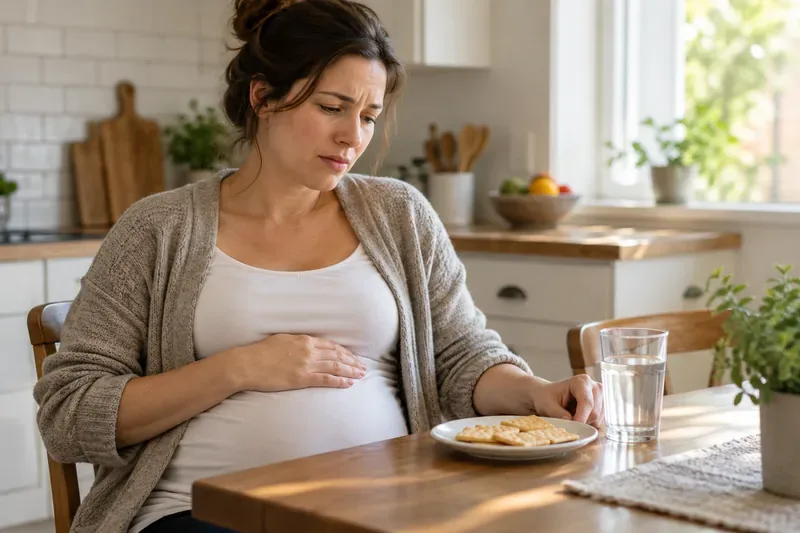
During pregnancy, most women face frequent cravings. Pickled vegetables are one of the dishes that many pregnant women love. This dish can help pregnant women prevent morning sickness symptoms. However, pregnant women should also use pickled vegetables in a limited manner.
Are you always craving for something sour and sweet and the jars of pickled vegetables that are always on your mind? However, should pregnant women use this dish or not? Let's find answers through the following shares of aFamilyToday Health .
Is pickled vegetables safe for pregnant women?
Pickled vegetables are one of the foods that pregnant women love. There are some pregnant women who crave this dish only in certain months, while others always crave this dish. Don't worry too much when suddenly you feel that you have an excessive craving for pickled vegetables because you are not the only one experiencing this situation. If you only eat a small amount and you are not allergic to this dish yourself, then taking it during pregnancy shouldn't cause many serious problems.
Pickled vegetables often contain very few nutrients. One ounce of pickled vegetables contains less than 1 gram of starch, but high in vitamin C, sodium and potassium. In addition, this dish also does not contain protein, fat or cholesterol.
In general, if you eat pickled vegetables in moderation, it won't harm you or your baby. Sometimes, this dish also brings some health benefits to pregnant women.
Benefits of pickled vegetables for the health of pregnant women
Here are a few health benefits of eating pickled vegetables while pregnant:
1. Helps electrolyte balance
Potassium and sodium are two important electrolytes in the body, helping to maintain the voltage across cell membranes and in water balance. During pregnancy, your body needs more electrolytes to meet the needs of your growing baby. Pickled vegetables are high in potassium and sodium. Therefore, taking this food during pregnancy can help supplement potassium and sodium for the body.
2. No cholesterol and fat
Pickled vegetables usually contain no cholesterol and fat. Therefore, this dish can become a healthy snack because it does not cause weight gain. Choose unsweetened pickled and pickled vegetable products to maintain a low calorie count.
3. Supporting the digestive system
Pickled vegetables can help improve digestion and boost immune function. Pickled vegetables often contain beneficial bacteria. Therefore, eating pickled vegetables during this time can help the body fight many digestive problems.
4. Rich in antioxidants
Pickled vegetables often contain a lot of antioxidants, which help to protect the body against free radicals.
5. Rich in vitamins and minerals
In addition to the health benefits above, pickled vegetables are also a source of important vitamins and minerals such as vitamins A, C, K, calcium, iron and potassium. These substances help to strengthen the immune system, protecting the body from disease during pregnancy.
Side effects of pickled vegetables for pregnant women

Although pickled vegetables may provide some health benefits, this dish is not recommended in pregnant women 's daily diet. In addition, eating too many vegetables can lead to a number of health problems:
1. Causing dehydration
Pickled vegetables can increase sodium levels in the body, leading to dehydration. If using this dish, you should pay attention to the addition of water and fluids to ensure the balance of sodium in the body.
2. Cause stomach problems
If you have had stomach problems before pregnancy then it's best to stay away from this dish as pickled vegetables can cause bloating and other stomach problems. In addition, it can also cause dysentery and digestive disorders if eaten too much during pregnancy.
3. Causes heartburn
One of the most headaches a pregnant woman experiences is heartburn . Pickles are highly acidic, which can make this symptom worse.
4. Increase sodium concentration
Certain types of pickled vegetables are extremely high in sodium, which can negatively affect fetal development and growth. A 2011 study in the US confirmed that consuming too much sodium during pregnancy can affect the kidneys of the fetus. In addition, it also makes the baby more susceptible to high blood pressure as an adult.
5. Increased blood pressure
Pickled vegetables often contain a lot of salt. Therefore, if you are prone to high blood pressure during pregnancy , this dish is very bad for you. Eating too much can raise blood pressure, leading to unwanted complications such as seizures, kidney damage, damage to blood vessels, and affect the supply of oxygen and nutrients to the baby.
During pregnancy, it is very important to pay attention to your diet for your health and for the development of your baby. Pickled vegetables do not contain many nutrients. Therefore, you should only use it in moderation. ( 1 ) ( 2 ) ( 3 )
Notes when pregnant women eat pickled vegetables during pregnancy
![Is it safe for pregnant women to eat pickled vegetables?]()
1. Avoid overeating
For this dish, you should only eat a little, if eating too much can cause unwanted side effects for you and your baby.
2. Carefully read the information on the product packaging
If you plan to buy pickled vegetables at supermarkets or stores, be sure to read the packaging carefully before buying to make sure the product is out of date and doesn't contain too many preservatives that could cause a danger to the baby.
3. Consult your doctor
Before eating, it is best to consult your doctor to know if you can eat this dish or not and how much is enough.
In addition, to combat cravings during pregnancy, you can refer to some ways to control your cravings such as replacing them with snacks that are good for you . At the same time, always remember to eat well to ensure the healthy development of the fetus!