Continuing the sacred moment and bursting with happiness when you know you are pregnant is probably wondering whether the first 3 months of pregnancy should have sex or not. aFamilyToday Health will help you answer this question with the following information.
During pregnancy, pregnant mothers will often become more careful with everything, from what not to eat in the first 3 months of pregnancy to sleeping position during pregnancy, because you don't want to hurt your baby. in any way, even unintentionally. Among these worries, perhaps the thing that worries both couples the most is having sex in the first 3 months of pregnancy? The answer will depend on your pregnancy health.
Do you want to have sex in the first 3 months of pregnancy?

Some women may feel the need to have sex increases in the first 3 months of pregnancy, but are afraid of affecting the fetus so always refrain from having sex. However, many people will experience fatigue and do not want to have sex during this time.
The cause of the increased libido is mainly due to the rapid increase in pregnancy hormones. The breasts become larger and more sensitive, the vulva is also easily irritated by more blood circulation in this sensitive area. Therefore, the feeling each time "love" can be more intense than before.
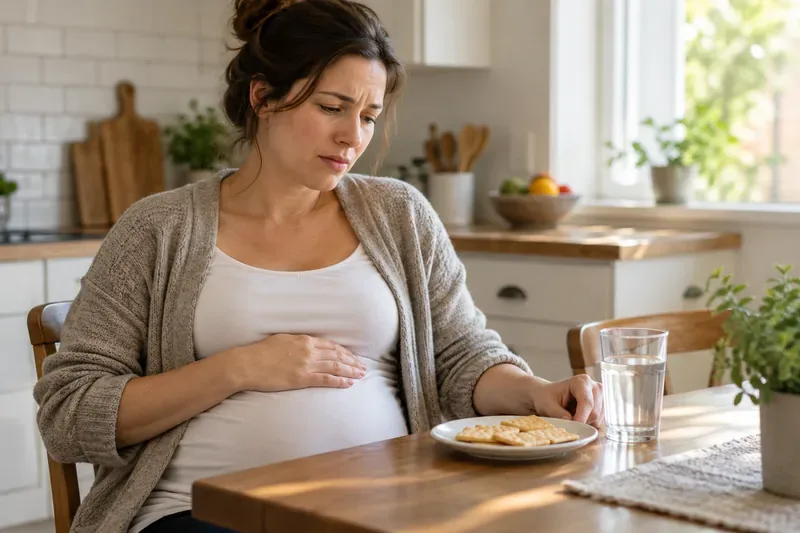
On the contrary, many pregnant mothers may experience nausea or severe morning sickness, making the body tired and not having much desire for sex problems. Having sex cramps , or becoming too sensitive and having chest pain during pregnancy can also prevent you from having sex during this time.
You don't need to worry if you feel your sexual needs change in the first 3 months of pregnancy. Take the initiative and frankly talk with your partner to find out the best way to meet the needs of both of you. You can seek advice from your doctor if you feel it is necessary, especially if you experience unusual symptoms after having sex.
Should first 3 months of pregnancy have sex?
![Should I have sex in the first 3 months of pregnancy?]()
According to a study published by the British Journal of Integrated Practice , having sex in the first 3 months is completely safe if your pregnancy is stable and you feel interested in having sex. ". You can rest assured that because the fetus grows and is protected in the amniotic fluid bag, in addition the cervical mucus will also protect your baby from external influences.
However, according to WebMD , you should not have sex if you experience the following conditions:
Have a history of miscarriage or risk of miscarriage
Vaginal bleeding of unexplained or bleeding after sex
Abdominal pain or cramps
The cervix is not stable
Twins or multiple pregnancies
Have a low placenta.
You should also avoid having sex during pregnancy if your partner is suffering from genital herpes. Also, make sure that your partner always uses a condom during sex to prevent the risk of getting sexually transmitted diseases during pregnancy and ensure that your baby's development is not affected. mother's womb.
Which sexual position in the first 3 months of pregnancy is safe?
![Should I have sex in the first 3 months of pregnancy?]()
In addition to wondering about whether the first 3 months of pregnancy should have sex or not, many pregnant mothers also have difficulty in choosing sexual positions during pregnancy .
The first trimester of pregnancy is considered the most sensitive period during pregnancy. The natural lubrication mechanism of the vulva is more active, the woman's body is also more easily stimulated and the waistline is not large enough to worry during sex.
Therefore, the first 3 months of pregnancy is the time when you can enjoy “having sex” with many different sexual positions because the physical changes during this time are still negligible. All sexual intercourse positions are safe in this first trimester. You can try anything that makes yourself and the other person feel most comfortable.
However, the Healthline site recommends that you prioritize sex positions that don't put pressure on your abdomen. In addition, if you are worried that the fetus is not stable, you should avoid too strong stimuli, as well as limit the penis from penetrating too deeply into the vagina. Instead, try slow and gentle "love".
With the above information, hopefully you have found the answer to the question of whether to have a relationship in the first 3 months of pregnancy. Wish you always keep the fire of love even while you are pregnant!