What Helps a Child Return to School After a Long Absence?
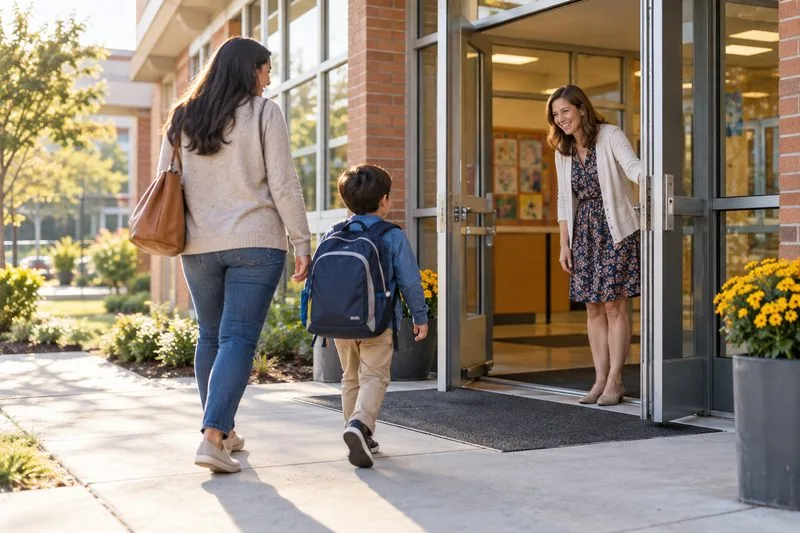
Compare full-day, gradual, and temporary at-home return plans, plus health checks and school supports that can help a child reenter safely.
Childhood vaccination plays an important role in preventing dangerous diseases. However, if your baby has pain after injection, apply aFamilyToday Health's 6 post-vaccination pain relief methods.
Prevention is better than cure. Therefore, vaccination inflammation of dangerous diseases for children is very necessary. You should know your child's vaccination schedule so that you can fully vaccinate your child . Depending on the baby's location, some babies may experience side effects after the vaccination, such as irritability, fever, redness and swelling where the shot was given. If your child has unusual symptoms that worry you, do not hesitate to see a medical professional. Your doctor will prescribe medicine to reduce fever and other symptoms. In addition, you can also take care of your baby according to the 6 suggestions below.
After vaccination, infants often become uncomfortable, sleepy and do not want to feed for many hours. In this situation, you should plan for your child to rest quietly at home. Let your child rest in a cool, comfortable room, making sure your child wears cool clothes.

You should keep your baby by your side because your baby needs care and stays calm now. While your baby is still uncomfortable, tell the mother how to relieve the pain after the vaccination is to hold the baby comfortably in his arms.
Babies who are breastfed during the vaccination cry less often. Experts say that focusing on breastfeeding while vaccination will make children forget the pain quickly. Also, breastfeeding after vaccination has a similar effect.
An effective way to relieve your child's pain after vaccination is to apply a cool, clean wet washcloth to the swollen area. This helps to relieve soreness around the injection site. If the swelling and pain do not improve within 24 hours of the injection, you should take your baby to the doctor.

To help keep your baby from crying after vaccination, distract him. You can bring toys that your child likes to attract their child's attention during the shot. In addition, you can also let your child watch TV to forget the pain.
Sugar can make it easy for a newborn to take the medicine and may reduce the pain associated with the shot. This sweet sugar tip is especially helpful for babies under 6 months old. Therefore, before getting vaccinated, you can give your child a little sugar water or dip a pacifier in the sugar and then suck on the dog.
Parental care and care play an important role when babies get vaccinated. Hopefully the article has provided useful knowledge about how to reduce pain for children after vaccination.
Compare full-day, gradual, and temporary at-home return plans, plus health checks and school supports that can help a child reenter safely.
Learn when a child can try to solve a friendship problem, when adults should step in, and how to tell whether support is helping or needs to change.
Separated parents can support better sleep by aligning a few core bedtime rules across homes without making both households identical.
A fair response to a child’s lie is calm, brief, and tied to what needs fixing. Learn how to address the lie, repair harm, and rebuild trust.
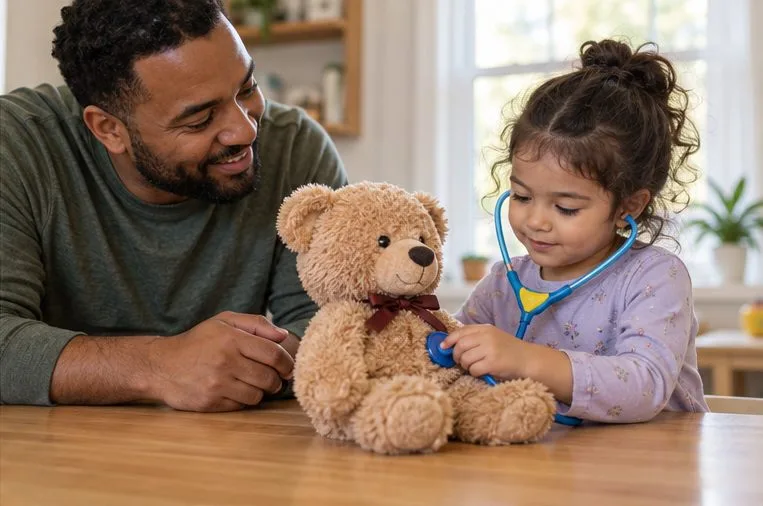
Help your child feel more prepared for a doctor visit with honest, age-appropriate explanations, simple choices, comfort items, and a practical plan for questions or procedures.
When homework runs long, track where time goes, check the task and routine, and work with the teacher if the pattern repeats. Learn what to watch for and when to ask for support.
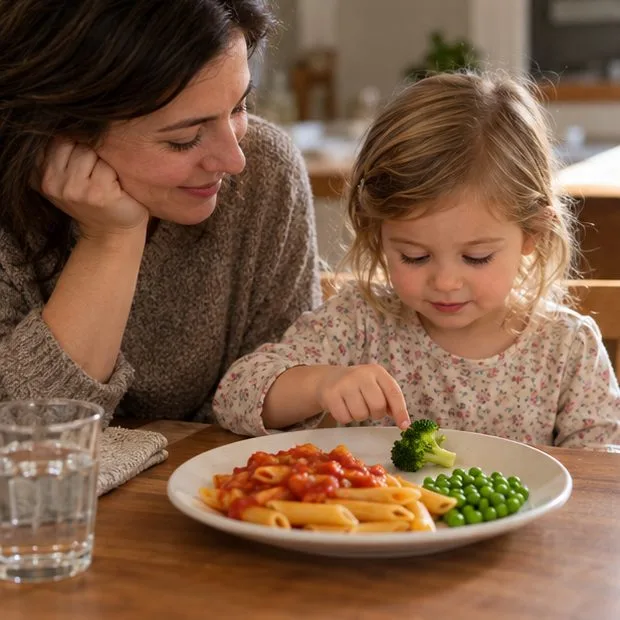
Learn how one flexible family meal, a familiar food, and low-pressure repeat exposure can make dinner easier for picky eaters—plus when to ask a pediatrician for help.
The clocks fall back on November 1, 2026. Use a gentle bedtime plan, familiar routines, and morning light to help your child adjust.
Plan five low-cost October half-term outings with a preschooler, from libraries and museums to parks and art trails. Check dates, booking, and total costs first.
Learn how to determine your baby’s caloric needs, including the calories in breast milk and formula, to ensure your infant gets the right nutrition for healthy growth.