How to Teach Chores Without Redoing Every Task for Your Child
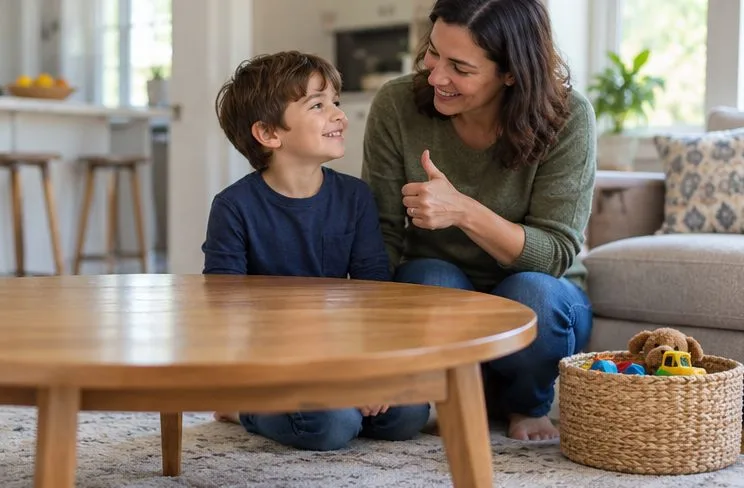
Teach kids to do chores with fewer reminders: set a clear finish line, model one task, step back, and correct only what is unsafe or unfinished.
Bullying is a common social condition and occurs at many ages. Bullying can be manifested in many forms such as physical, psychological bullying or by actions such as hitting, pushing, calling, threatening, blackmail ...
Today, intimidation or cyberbullying are common conditions in schools. People who bully children often use means such as email, the web or other social networking sites.
Bullying often occurs in children with lack of affection. There are also cases where children bullied to satisfy their hatred for others, perhaps that person was their parents. The way children bully their friends is often similar to the way they are being treated by others.
Studies show that children who bully others often live in families with arguing parents or other members who are in conflict with each other. According to one study, children who are victims of bullying are 4.3 times more likely to have an anxiety disorder than other children.
Parents are often concerned about children who are victims of bullying. Here are some of the signs you may notice when your child is being bullied:
Children often shrink
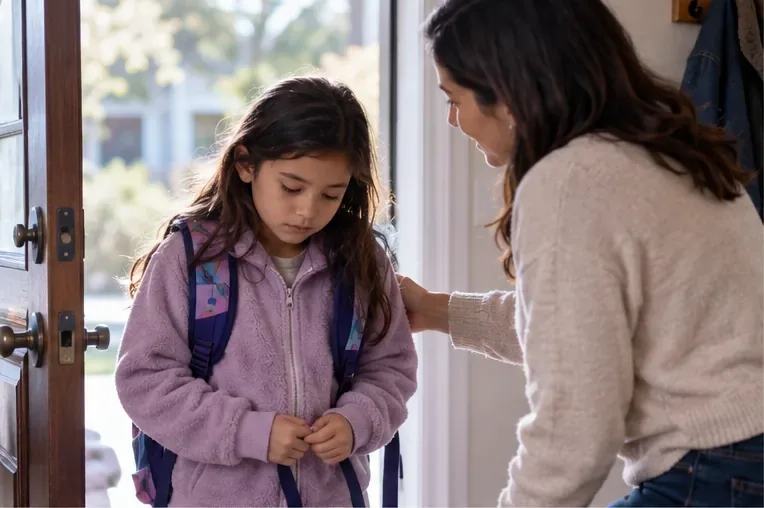
I'm afraid of going to school
I have signs of depression
Your child's activity in school may be reduced
I don't care who you are in school
I came home with scratches, bruises or slippery clothes
Children often complain of headaches, stomach pain or trouble sleeping and changes in eating habits.
Sometimes this happens because parents are pampering their children. Here are ways to help you teach when your child bully others.
When your child gets angry with you for not doing what he wants, you need to tell him why his or her parents did it and explain the child's behavior is wrong. Gradually, children will understand and think more positively.
You can also give your child examples. If she is angry, she will say, "I am angry and sad so now I need to walk to calm down." That way, you will know that you can still find a way to resolve it once you are angry.
When your child is young, let them play with other children. This will develop your social skills and you will understand that everyone is equally respected .
Many parents tell their children that they just need to do well in school. The fact that parents just force their children to learn and forget that they also need to develop other skills inadvertently are harmful to children. In addition to learning, you should also encourage your children to do work that is appropriate for their age.
Treat the child like an adult, not a child. This way, you will help your children feel more responsible and helpful. Furthermore, teach them how to take responsibility for what they do, even what they do is wrong because they cannot avoid bad behaviors.

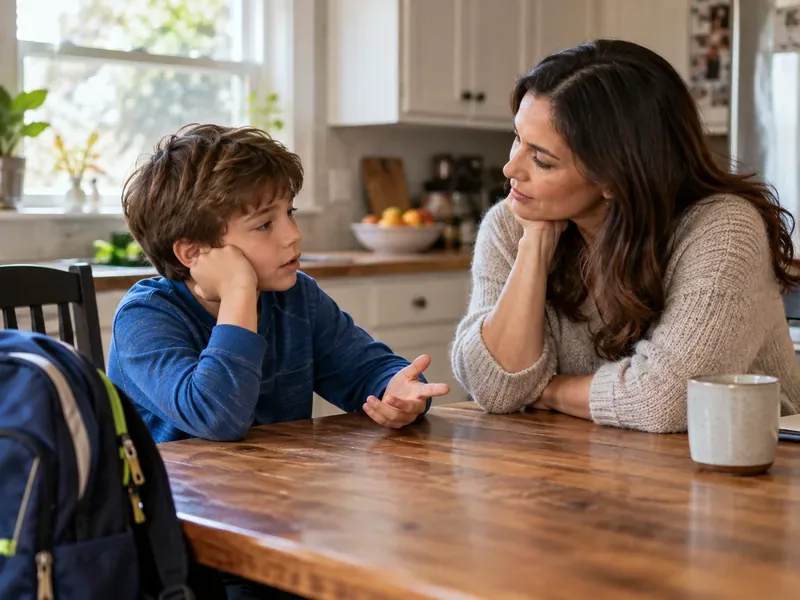
Let your child speak his or her thoughts so that they can understand their thoughts and feelings. You may not realize the effects of this the first time, but it can gradually help your child become more honest and polite. Having children think and listen to their thoughts will help them express their problems well, not bullying others.
Even if you take all the steps you can take to prevent your child from bullying your friends, it still happens. At this point, you can talk to your child's teacher to find out the best solution. In addition, if necessary, you should also consult an expert.
Parents or guardians play an important role in educating children who bully others. At first, it is very difficult to recognize the signs of a lie. Therefore, many experts recommend that parents should observe their children every day to early detect signs of abnormalities of their children.
You should be cautious if your child is bullying or is being bullied. Bullying acts in children can lead to serious life problems and increase criminal activity. If a bully child is not taken care of in the first place, he or she may have professional and personal problems in the future. Therefore, it is the responsibility of parents to teach their children how to express themselves in a socially acceptable way.
Alternatively, you can sit and talk with your child to come up with a plan to keep them away from bullies. This way, your child will learn that you are always there for you to support and feel more confident about yourself.
Teach kids to do chores with fewer reminders: set a clear finish line, model one task, step back, and correct only what is unsafe or unfinished.
Learn why toilet-trained children may start having pee or poop accidents again, what patterns to track, how to respond calmly, and when to call the pediatrician.
A child may repeat a reassurance question to process information, seek connection, or manage worry. Learn how to respond and when persistent anxiety needs support.
Learn how to set screen-time boundaries with predictable routines, warnings, calm follow-through, and better transitions—without turning every device handoff into a fight.
Teach children to handle losing without shame or explosive anger by validating feelings, setting behavior limits, modeling recovery, and practicing at the right difficulty.
A calm, practical plan for after-school meltdowns: reduce overload, keep limits clear, track patterns, coordinate with school, and know when to seek help.
Learn how to respond when a child feels unwanted, ask supportive questions, recognize bullying or ongoing distress, and know when to seek extra help.
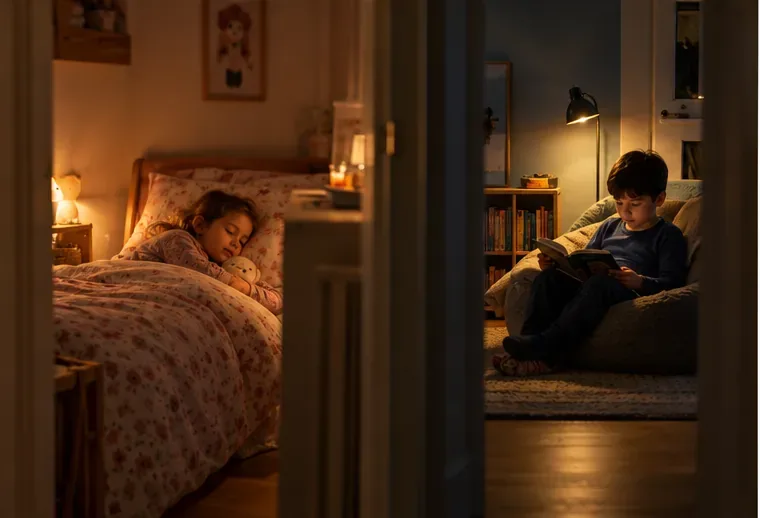
Learn how to set up a shared bedroom for siblings with different bedtimes, from planning around age-based sleep needs to creating separate sleep spaces and quiet routines.
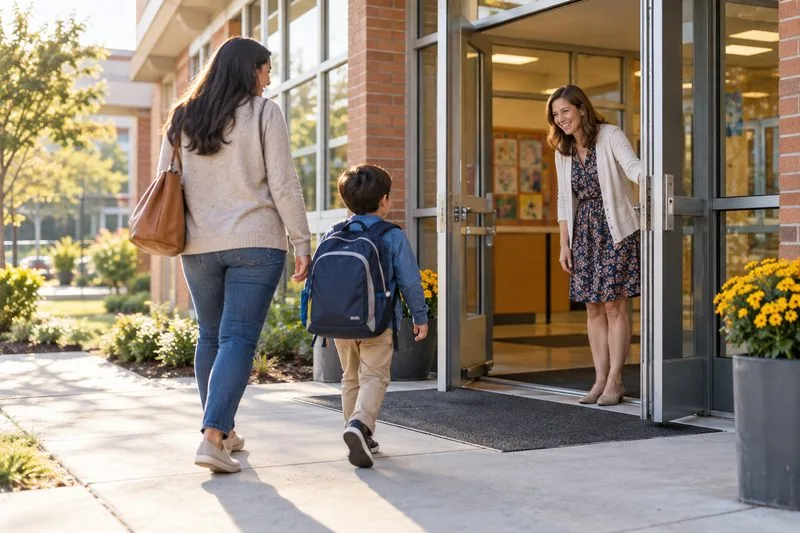
Compare full-day, gradual, and temporary at-home return plans, plus health checks and school supports that can help a child reenter safely.
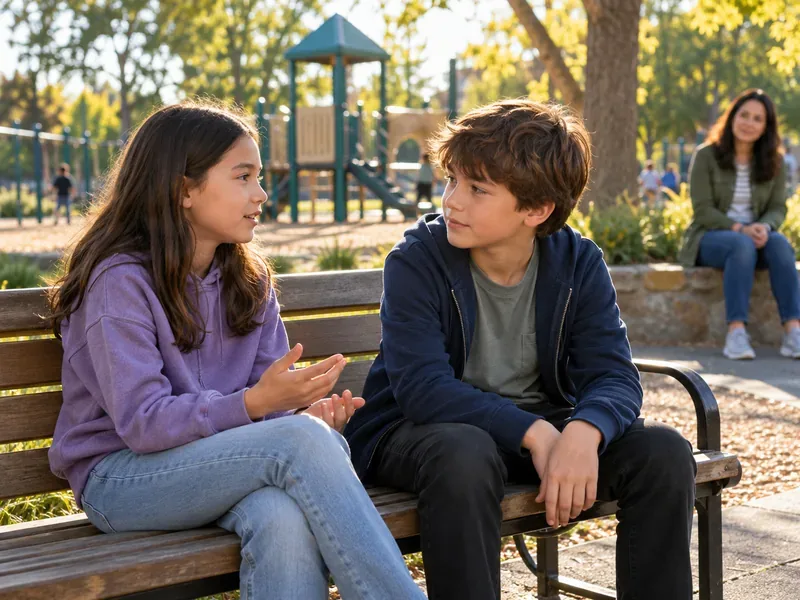
Learn when a child can try to solve a friendship problem, when adults should step in, and how to tell whether support is helping or needs to change.