How to Teach Chores Without Redoing Every Task for Your Child

Teach kids to do chores with fewer reminders: set a clear finish line, model one task, step back, and correct only what is unsafe or unfinished.
Sleep apnea is a sleep disorder that can adversely affect your child's health. Therefore, parents should not be subjective when hearing children snore.
Sleep apnea syndrome is quite common in children and is getting more attention because it leads to problems with unusual daytime behavior. So what are the signs of this situation? Let's learn with aFamilyToday Health through the following article.
While snoring is a common symptom in children with sleep apnea, it is important that 10-20% of normal children snore at a regular rate and vice versa. Some signs and symptoms of sleep apnea in children include:
Snoring is loud and occurs most of the night
Waking up occasionally or having trouble sleeping. You may notice that sometimes the child's breathing stops for a moment
Growth retardation (weight loss or very slow weight gain) due to growth hormone depletion caused by sleep apnea, which in turn affects weight and height
Overweight: While sleep apnea can cause underdevelopment, it also contributes to the child's risk of obesity by affecting the intensity of motor and accompanied by insulin resistance
Breathe through your mouth
Nodules on both sides of the throat are enlarged
Have nightmares often
Too sleepy during the day
Daytime cognitive and behavioral problems, including attentive abilities, aggressive behavior and hyperactivity, lead to problems when children go to school.

Certain health conditions may increase a young child's risk of sleep apnea, such as:
Down syndrome: Babies with Down syndrome are more likely to experience sleep apnea, as it is associated with an increase in the size of the tongue.
Neuromuscular disorders and CNS abnormalities include cerebral palsy
Defects in the brain
Fat.
Diagnosis of sleep apnea syndrome in children is often based on characteristic symptoms such as an enlarged pharynx (tonsils and enlarged lymph nodes), breathing through the mouth while sleeping. However, the child needs to be examined further by the doctor to get the most accurate conclusion.
Although many children with sleep apnea syndrome have normal weight, if they are overweight, this may be the cause of the above condition. Therefore, you should help children lose weight to relieve the syndrome. Nasal sprays containing steroids will help improve airway congestion, and help your baby breathe more easily during sleep.
The main treatment for sleep apnea is surgery in the area of the throat with swollen lymph nodes or inflammation of the VA. This will be performed by an ear, nose, and throat specialist. Most people recover completely within a few weeks.
If your child has any of the symptoms of sleep apnea, you should consult your doctor for exact advice. In addition, children with the above diseases can have serious consequences on their ability to function during the day as well as affect intelligence.
Teach kids to do chores with fewer reminders: set a clear finish line, model one task, step back, and correct only what is unsafe or unfinished.
Learn why toilet-trained children may start having pee or poop accidents again, what patterns to track, how to respond calmly, and when to call the pediatrician.
A child may repeat a reassurance question to process information, seek connection, or manage worry. Learn how to respond and when persistent anxiety needs support.
Learn how to set screen-time boundaries with predictable routines, warnings, calm follow-through, and better transitions—without turning every device handoff into a fight.
Teach children to handle losing without shame or explosive anger by validating feelings, setting behavior limits, modeling recovery, and practicing at the right difficulty.
A calm, practical plan for after-school meltdowns: reduce overload, keep limits clear, track patterns, coordinate with school, and know when to seek help.
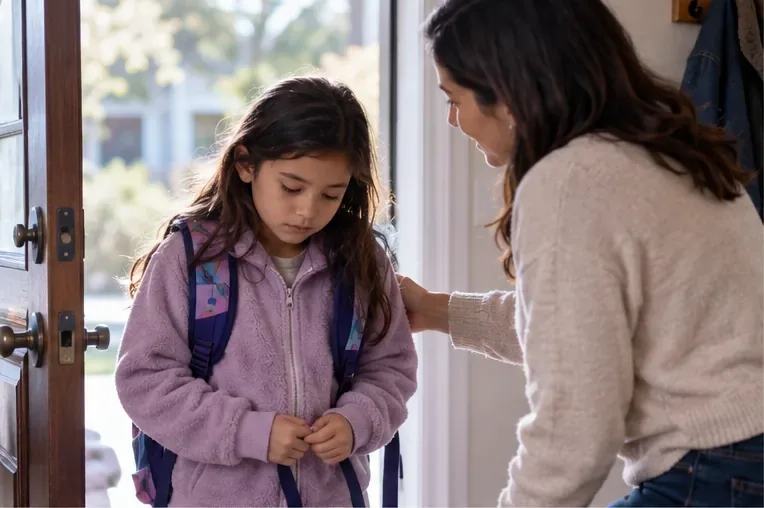
Learn how to respond when a child feels unwanted, ask supportive questions, recognize bullying or ongoing distress, and know when to seek extra help.
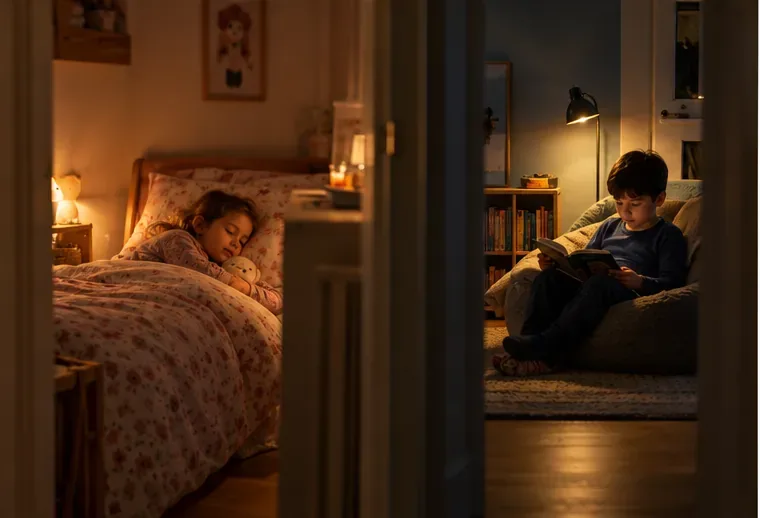
Learn how to set up a shared bedroom for siblings with different bedtimes, from planning around age-based sleep needs to creating separate sleep spaces and quiet routines.
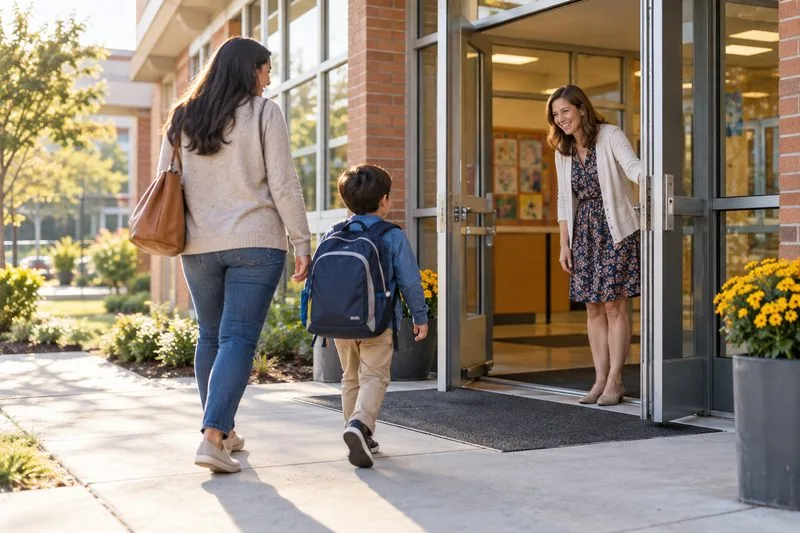
Compare full-day, gradual, and temporary at-home return plans, plus health checks and school supports that can help a child reenter safely.
Learn when a child can try to solve a friendship problem, when adults should step in, and how to tell whether support is helping or needs to change.