What Helps a Child Return to School After a Long Absence?
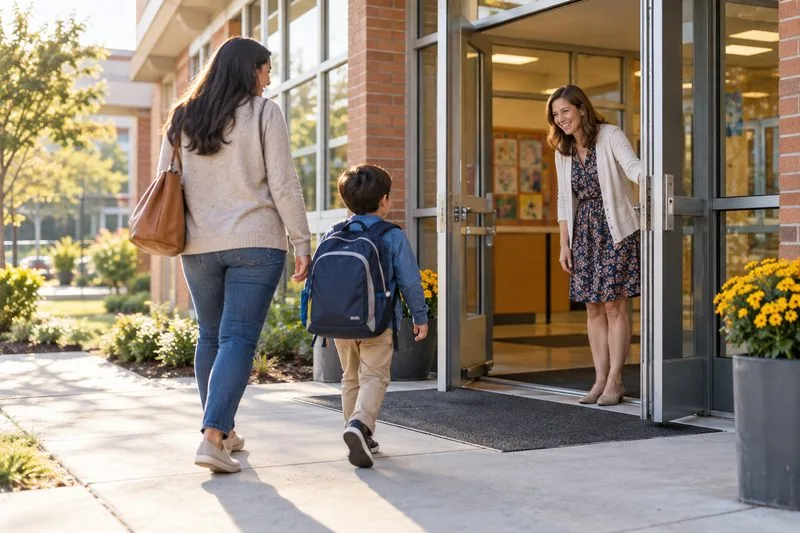
Compare full-day, gradual, and temporary at-home return plans, plus health checks and school supports that can help a child reenter safely.
A smiling baby is also a time when you have a memorable moment in your life as a parent. Children's smile is also an important milestone in visual and brain development.
In fact, babies can laugh long before they are born. However, this smile is not intentionally or stimulated by any factor, but merely a reflex of the body.
The first smile contains many meanings about the baby's development. These are signs that your baby's vision has improved and that your baby is able to recognize your face. Your baby's brain and nervous system have also matured to dismiss smiles reflexively. By this time, she learns that smiling is a way to interact with people.
Babies also begin to realize that their emotions affect everyone. Children will smile to express joy, excitement, contentment and happiness. Here is a way for your baby to say, "I'm taking good care of me" or "The milk is gone, I want to drink more". The meaning of babies being able to laugh is indeed very important.
A reflex smile will disappear before your baby is 2 months old and a real smile will appear when your baby is about 1.5 to 3 months (6 to 12 weeks). You can distinguish a smile on a reflex from a real smile based on when and how long it was when your baby laughed.
In general, reflex smiles often happen randomly, when babies sleep or are tired and are usually quite short. Real smiles only appear when your baby reacts to something, such as seeing your face or hearing a loved one's voice. If it is a real smile, you will see the baby's feelings through the eyes.

If you are still waiting to see your baby's smile, encourage your baby with actions such as talking to him often, making eye contact and smiling throughout the day. Talking with your baby regularly also brings many benefits for your baby's language development in the future.
You can also create a funny face, imitate the sounds, actions of an animal, peek with your baby ... However, do not overdo it. Infants are developing their own emotional regulation, if they are overly stimulated there will be a negative effect.
When you know how to smile, your baby will laugh many times. When your baby smiles at you, his eyes will light up, you will play peek with him and return his smile. This will make the baby feel excited. Initially, your baby will use his smile to respond to both visual and sound stimuli. So your baby often laughs when he hears you sing or talks to him while changing diapers.
After your baby's vision has developed, just seeing the faces of the people he loves, he will laugh. When she gets used to laughing, she begins to make sounds. At first it was just hums, then there would be giggles. By 5 months, your baby will surprise you with loud laughter and screams when excited.
When you see your baby does not smile, you do not need to worry too much because this does not mean that the baby is unhappy or there is something unusual. Each baby will reach this milestone at different times, and some will need a few more weeks.
At 3 months, your baby needs to communicate with you or other caregivers and strangers with eyes and sound (eg making a noise protesting against you pulling the baby out of the bottle or breast). However, if your baby still does not have these symptoms until 3 months, you should take him to see a doctor.
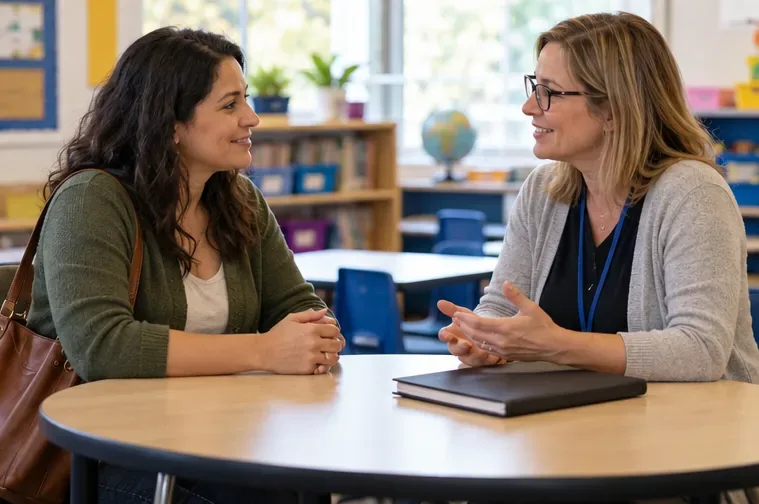
Compare full-day, gradual, and temporary at-home return plans, plus health checks and school supports that can help a child reenter safely.
Learn when a child can try to solve a friendship problem, when adults should step in, and how to tell whether support is helping or needs to change.
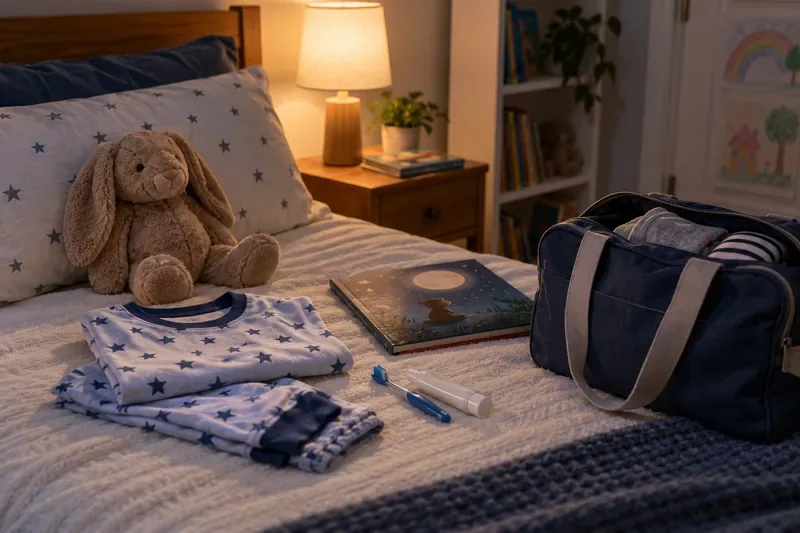
Separated parents can support better sleep by aligning a few core bedtime rules across homes without making both households identical.
A fair response to a child’s lie is calm, brief, and tied to what needs fixing. Learn how to address the lie, repair harm, and rebuild trust.
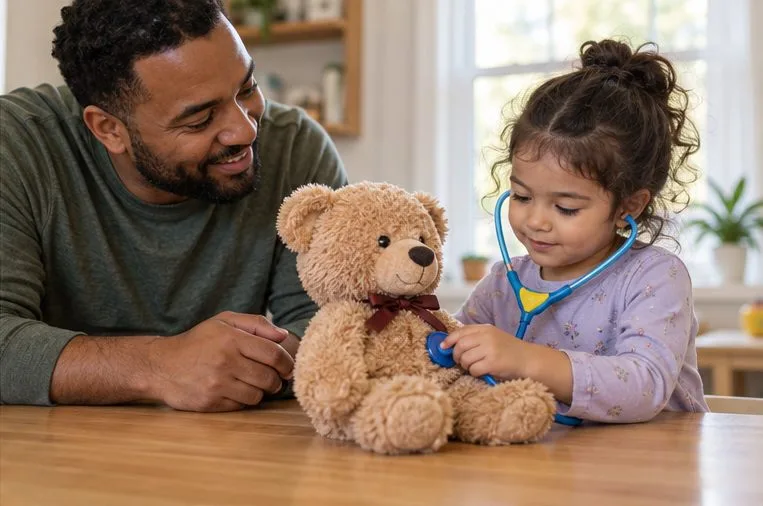
Help your child feel more prepared for a doctor visit with honest, age-appropriate explanations, simple choices, comfort items, and a practical plan for questions or procedures.
When homework runs long, track where time goes, check the task and routine, and work with the teacher if the pattern repeats. Learn what to watch for and when to ask for support.
Learn how one flexible family meal, a familiar food, and low-pressure repeat exposure can make dinner easier for picky eaters—plus when to ask a pediatrician for help.
The clocks fall back on November 1, 2026. Use a gentle bedtime plan, familiar routines, and morning light to help your child adjust.
Plan five low-cost October half-term outings with a preschooler, from libraries and museums to parks and art trails. Check dates, booking, and total costs first.
Learn how to determine your baby’s caloric needs, including the calories in breast milk and formula, to ensure your infant gets the right nutrition for healthy growth.