How to Teach Chores Without Redoing Every Task for Your Child
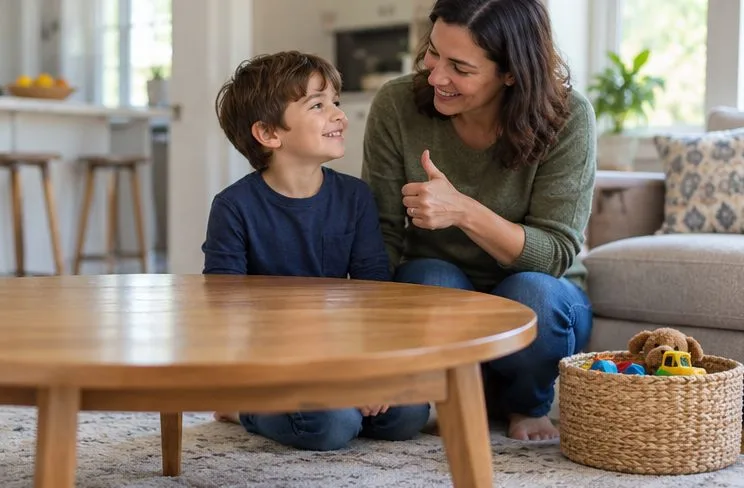
Teach kids to do chores with fewer reminders: set a clear finish line, model one task, step back, and correct only what is unsafe or unfinished.
When your child is in kindergarten, he or she will learn a lot of background knowledge to serve for future development. In addition, parents can also help their children review at home.
Young children's first years of kindergarten are always filled with wonderful moments, because this is the time when children will have many great developments in social, physical, emotional and intellectual skills. . But what will children really learn? What can be done to help your child develop those skills at home? Please join aFamilyToday Health to follow the following shares to understand more.
At school: Children will learn to recognize and name 29 letters, both upper and lower case. Children will know their name and be able to write it. In addition, I can also read some simple words such as "dad", "mother" ... from there, I learned the relationship between letters and reading.
At home: In addition to preschooling, you can reinforce letter learning by having your child play related games like singing ABC songs together, cooking together, and teaching them letters. in the recipe… These are simple learning-by-play activities that you can try.
Language ability, reading habits are things that should be developed early and often started at home. So encourage these by talking more with them and reading to them often . One of the greatest things parents can do is read to their kids every day. Even just reading for 10 minutes a night can make your child feel warm when looking at a book with a parent, pointing out words and pictures, or talking about what's going on together. out in the book. Ask questions and discuss them with them.

At school: Children will learn how to name many colors, basic shapes and body parts.
At home: When you read a book with your child, ask questions about colors like: "What color is that car?" or "Which hat is yellow?" ... Point at objects and ask questions like: "Is the shape of this item like a square or a rectangle?". When your child changes clothes, talk about the colors of the shirts, pants, shoes and socks. Turn everything into a game. You can also let your baby play "where?" to learn about the body parts, for example: "Where's your nose?", "Where's your chin?" ...
In school: If your child is in kindergarten, he or she will learn how to recognize and identify numbers 1 to 10 and how to count. Learning about numbers 0 through 9 is one of your child's first math skills. Counting is a skill that usually begins with memorizing and babies begin to memorize the order of numbers to count objects.
At home: Numbers appear frequently in everyday life, in books, food boxes, television ... Ask your child to count with you: the number of stairs, the number of crayons in the box ... Ask children, such as: "How many cereal boxes are in the refrigerator?", "How many oranges are there on the table?" ...
At school: Before entering kindergarten, children were able to cut with scissors. As hand eye coordination and motor skills develop better, children will begin to learn to draw and color.
At home: Buy your baby pencils, colorful chalks ... to give them lots of opportunities to practice drawing. You can play clay with your baby to help develop motor skills.
In school: Developing social skills is essential before starting kindergarten. Therefore, in kindergarten, children will learn how to share, work together and take turns. In addition, your child will participate in group activities and follow simple instructions. In particular, children will learn to communicate wants and needs. When they go to school, their parents won't be there to help. As a result, the child will have to learn how to ask for help.
At home: Develop your child's social skills by holding outings with other families. Besides, you should also persistently force your child to follow some rules such as making the bed or arranging toys. This will help your child learn the responsibility for cleaning up after use.
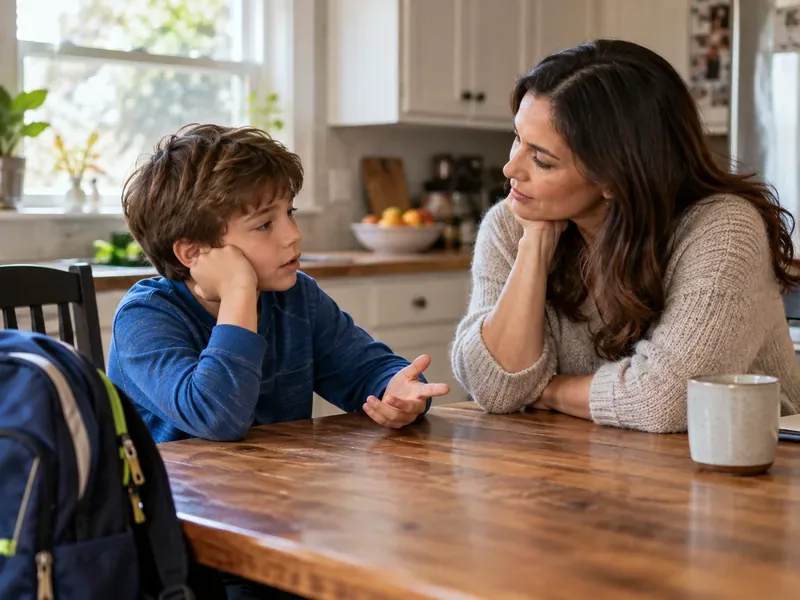
Teach kids to do chores with fewer reminders: set a clear finish line, model one task, step back, and correct only what is unsafe or unfinished.
Learn why toilet-trained children may start having pee or poop accidents again, what patterns to track, how to respond calmly, and when to call the pediatrician.
A child may repeat a reassurance question to process information, seek connection, or manage worry. Learn how to respond and when persistent anxiety needs support.
Learn how to set screen-time boundaries with predictable routines, warnings, calm follow-through, and better transitions—without turning every device handoff into a fight.
Teach children to handle losing without shame or explosive anger by validating feelings, setting behavior limits, modeling recovery, and practicing at the right difficulty.
A calm, practical plan for after-school meltdowns: reduce overload, keep limits clear, track patterns, coordinate with school, and know when to seek help.
Learn how to respond when a child feels unwanted, ask supportive questions, recognize bullying or ongoing distress, and know when to seek extra help.
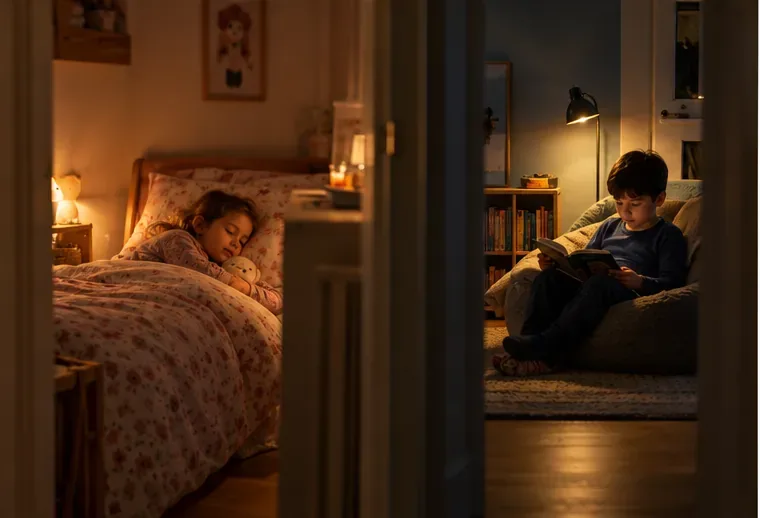
Learn how to set up a shared bedroom for siblings with different bedtimes, from planning around age-based sleep needs to creating separate sleep spaces and quiet routines.
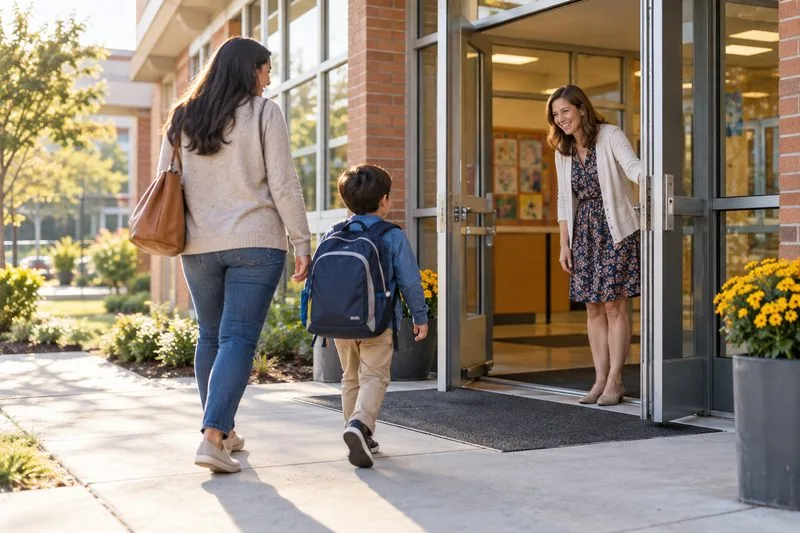
Compare full-day, gradual, and temporary at-home return plans, plus health checks and school supports that can help a child reenter safely.
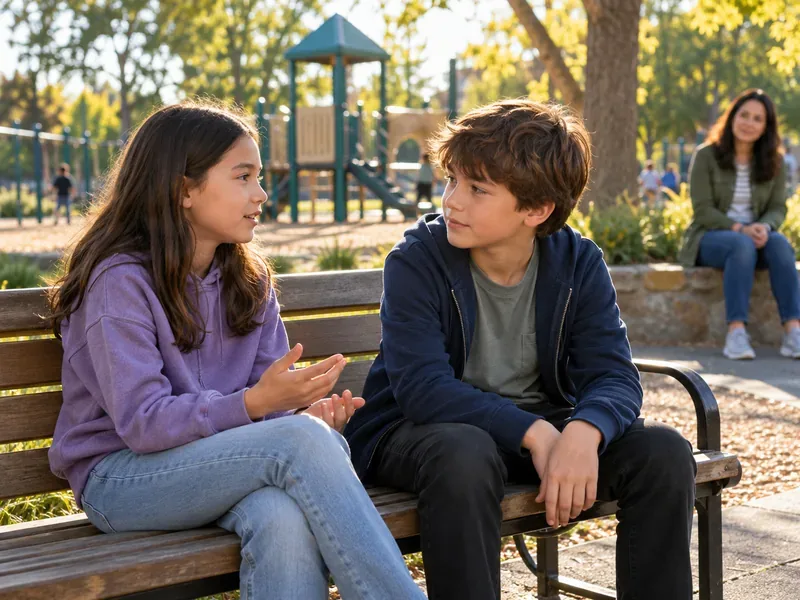
Learn when a child can try to solve a friendship problem, when adults should step in, and how to tell whether support is helping or needs to change.