A wheat allergy in children is a fairly common allergy. As a parent, you should learn carefully to know how to take care of if your baby accidentally has this condition.
Breast milk is the only source of food for babies. However, when your baby turns weaning age, you'll have to add some solid foods to your baby's diet. Wheat foods are often the foods that many parents choose. However, your baby is at risk of an allergy to this food. Please read the following shares of aFamilyToday Health to learn more about wheat allergy in children.
What is a wheat allergy?
Wheat is a food that contains 4 healthy proteins including albumin, gluten, gliadin and globulin. However, sometimes the immune system thinks these proteins are harmful. Therefore, it produces antibodies to counter the invasion of these proteins. This condition is called a wheat allergy and according to studies, gluten protein is the cause of wheat allergic reactions in young children.
Difference between wheat allergy and celiac disease (gluten intolerance)

Wheat allergy is often confused with celiac disease because both diseases are associated with gluten intolerance in wheat and have similar symptoms. So how are these two different diseases and how to differentiate them?
Celiac disease: is a serious autoimmune disorder that can damage the small intestine. When the immune system detects that gluten is present in the body, it attacks the small intestine, especially the villi on the intestinal surface. If not treated early, this disease can cause long-term digestive problems and prevent the body from absorbing enough nutrients, and over time, children will be malnourished , osteoporosis ...
Wheat allergy: This is a disease that involves another part of the immune system. If a child has a wheat allergy, the immune system has identified wheat protein as the allergen, so whenever the child eats or inhales the substances contained in wheat, the child will have a reaction that causes the body to resolve. histamine release. In addition, a wheat allergy has other symptoms with Celiac disease such as itchy eyes or sometimes difficulty breathing. In the long term, a wheat allergy does not damage the small intestine.
Symptoms of a wheat allergy in children
Depending on the location, each baby will have different allergy symptoms. However, for the most part, children will have the following symptoms:
Hay fever (hay fever): These symptoms are quite similar to the symptoms of a common cold such as runny nose, watery eyes, and sneezing.
Difficulty breathing: A wheat allergy can affect the lungs or throat, cause breathing problems, and even lead to difficulty breathing.
Eczema: on the baby's skin appear stains like insect stings, causing intense itching.
Rash: Red patches appear on the skin after eating wheat foods. Usually, this condition will appear immediately.
Difficulty swallowing: This symptom may appear in some cases. This prolonged condition can lead to malnutrition.
Asthma: A wheat allergy can make it difficult for your baby to breathe. If prolonged, it can lead to asthma .
Stomach problems: Children with a wheat allergy often experience problems like stomach pain, bloating, nausea, or diarrhea.
Anaphylaxis: This is a serious and rare symptom. Anaphylaxis usually has the following symptoms: swelling and narrowing of the throat, making it difficult to swallow; chest tightness and difficulty breathing; pale or bluish skin, weak pulse; More severe can cause a drop in blood pressure and is life-threatening.
Wheezing: This symptom is common in adults but can also be seen in young children. This is because a wheat allergy can cause breathing problems.
Breastfeed your baby to provide enough nutrition for your baby with a wheat allergy
![Useful facts about wheat allergy in children]()
If your baby has a wheat allergy and he or she is quite young, it is best to breastfeed your baby to make sure he receives adequate nutrition. Not only that, but breastfeeding also helps to reduce the risk of allergies because breast milk can help strengthen the child's immunity. The more babies breastfeed, the less likely they are to develop an allergy.
Foods to avoid when a child has a wheat allergy
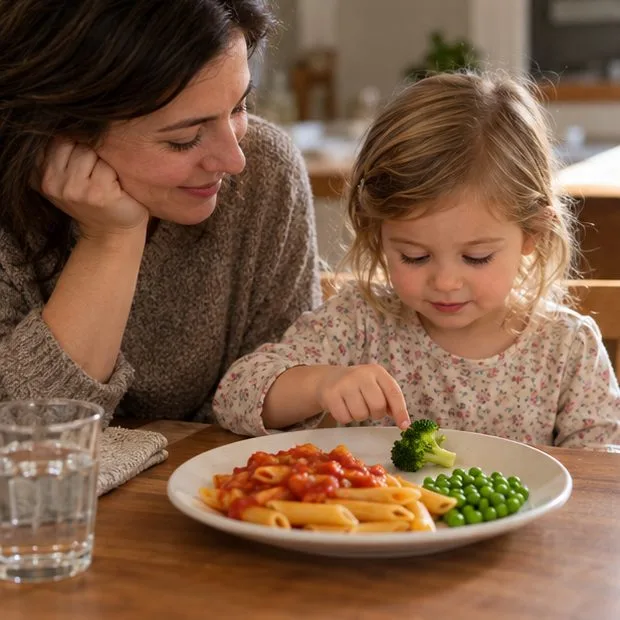
A wheat allergy means that you should stay away from any foods containing wheat. When choosing baby food, you should look carefully on the packaging to know the ingredients of the product. Normally, you should avoid giving your child bread, cookies, pasta, breakfast cereals, sauces ...
Instead of offering foods made from wheat, you can offer them potato flour, rice flour, barley or green bean powder, black beans, or soybeans. These foods are not only delicious but also provide all the nutrients that the body needs. In addition, you should also refer to some recipes to prepare baby food in a diverse and attractive way. When sending your baby to school, you should also make it clear to the teacher about your baby's condition.
You can refer to the article Japanese-style weaning menu for babies by each month to update many useful information in developing baby diets.
Prevents wheat allergy in infants and young children
To avoid the risk of your child having a wheat allergy, there are a few things you should take:
Check out what causes your baby's allergies and eliminate it from their diet.
Observe the child's symptoms carefully to give the doctor full information.
If wheat is the cause of allergy, you should completely eliminate foods containing wheat from your baby's menu.
Avoid offering foods of unknown origin such as sauces or fried foods.
Ask your doctor more about how to take care of a child with a wheat allergy.
Young children are very vulnerable, even a small allergic reaction can affect the baby. Therefore, if your baby has a wheat allergy, you should be careful with what to feed your baby.