How to Teach Chores Without Redoing Every Task for Your Child
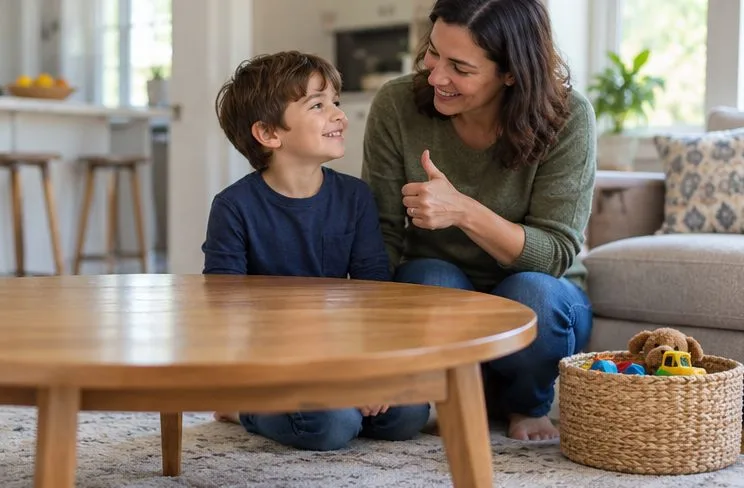
Teach kids to do chores with fewer reminders: set a clear finish line, model one task, step back, and correct only what is unsafe or unfinished.
The topic "Parents favor their children" has never ceased to be hot. Parents often sternly claim that they are not biased towards their children, always fair to their children. However, the truth is often not.
According to specific studies, whether it can be shown or not, any pair of parents tends to give love and attention to one child more than the rest. However, they do not seem to realize that children can hurt a lot from this bias.
Scientists have realized how bias can affect the development of young children. Accordingly, children who know that they do not receive as much love and attention as their siblings tend to use alcohol, tobacco and drugs during their teenage years more than other children.
This is especially true in families that don't get along well or that family members are not close. Tension between siblings is heightened when a child perceived by a biased parent and uses them as a tool to attack his sibling.
Parents may be more surprised to learn that perception plays a crucial role in these situations. In other words, parental bias does not have very serious consequences, until the child realizes it and thinks the parents do not love him.
According to Michele Levin, a family psychotherapist: "It is very common for a parent to love or feel closer to one child than another."
Michele Levin doesn't encourage you to flaunt that love, but she thinks parents need to be clear and aware of the consequences of their unfair treatment, especially. is for your feelings.
Each child has his or her own personality, interests, needs, and ways of expressing wants. They are not the same and cannot always meet the wishes of their parents. In addition, each child has their own problems, such as depression or anxiety, which sometimes make it difficult for them to be close to and open to their parents as much as siblings around them.
Therefore, sometimes parents are not really biased towards or in love with a particular child, but simply feel closer to them than the rest of them.
Another scenario that can be mistaken for bias is that parents spend more time caring for one child than others. However, not all cases can be said so. Some children have health problems that require more care from their parents. They may not be the most loved children, but in the eyes of other children they may misunderstand that parents are more biased towards brothers and sisters and do not love them.
Sometimes it is because parents are close or spend more time with their children because both have the same interests. “A father with a hobby in sports will be closer to a child with this same interest than kids who just like to stay home and play games,” Levin explained.
These situations are often quite complex and difficult to judge as biased or not. Even though you sometimes don't intentionally make your children feel that way, somehow your actions make them feel pity and feel unloved. So do these feelings affect the baby or not?

Shelly Vaziri Flais, a pediatrician and mother of four, said: "A baby's realization that he or she is not loved as much as a sibling can hurt their self-esteem."
"What parents need to keep in mind is that children should not be compared in any way," she said. As the mother of twins, I need to be more careful than normal mothers many times. We avoid giving her nicknames like "the smartest baby" or "the kid who's the best in athleticism". If they are not "darling", they will gradually feel distant and easily become a difficult person.
She added: “I think the children who are not the“ darlings ”of their parents tend to be rebellious in their teens. Children's self-esteem is often built up during these years. However, if children think that because they are stubborn, they are not loved by their parents as much as their siblings, they are more likely to become more destructive and spoiled. The fact that parents have bias among their children certainly has a huge impact on children's self-esteem as well as their feelings towards the family ”.
However, she also argues that these effects only happen when a child clearly senses bias and thinks about it negatively.
The fact that parents have child bias not only affects the relationship between parents and children, but also can cause emotional fractures between siblings.
“This depends on each family,” explains Dr. Levin. Some children realize that and feel sorry for their siblings, and from there they work even more to compensate and heal their feelings for them. However, others turned themselves into "the navel of the universe" and won all the love and attention of their parents ".
Dr. Vaziri Flais is concerned that the psychological effects of parental bias can follow the child into adulthood and make family relationships more strained.
However, she also reminded those who are not "pet" of parents that: "Friends are the family that you find yourself. We live in a global society and you can completely build a "new family" if you cannot find love from your current family.
For parents, if you do not want your children to grow up and live separately from their family, take action now to help their children lose their self-esteem and envy their siblings.

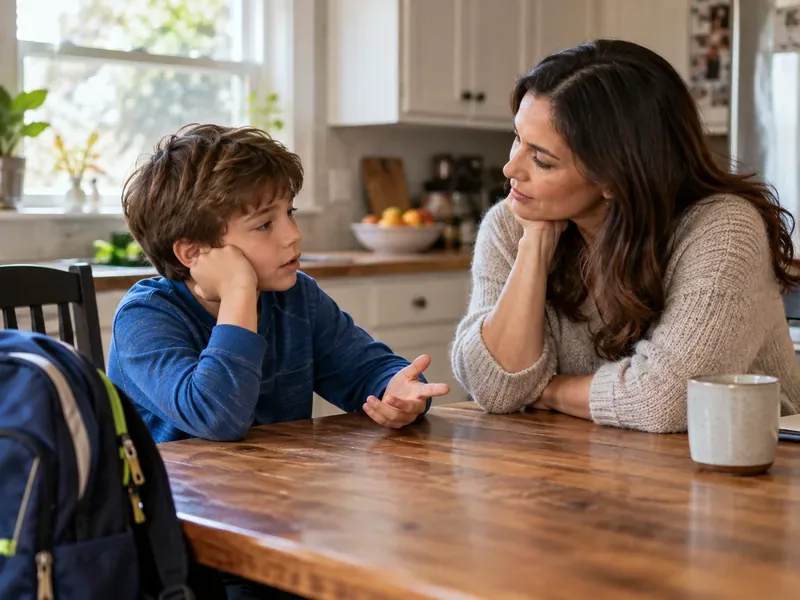
Levin believes that the most important thing parents can do is to understand their children's feelings, especially when they say that they love their siblings more than they do. Don't just say "We don't have bias" or just ignore them.
If a child is aware of the parents' bias, they must have seen or felt something. Therefore, you must not ignore or ignore what your child says. We need to find out why children feel that way and find ways to overcome it as soon as possible.
If your children say they need their parents to spend more time caring for them, spend the day playing or participating in activities they enjoy. However, don't just do it a few times, but do it regularly every week or month to build a strong relationship between you and your baby.
Dr. Levin believes that the most important thing is to give your child the opportunity to talk and share with you about their needs. Dr. Vaziri Flais also agrees with this statement and adds advice: “Do not ignore your children when they think you are biased and justify it by saying that your child is rebelling. year. Your relationships, and they certainly need some time to calm down. However, after both sides are calm, you should give them a chance to talk to them. ”
As a parent, take time to listen to your children talk about your thoughts and work together to find ways to help them stop feeling that way. It is probably the best way to help protect your relationship with your children in the future.
Levin encourages parents to act now. "The fact is, whether you say it or not, the kids can clearly feel their parents' bias," she said.
So what do you need to do to heal the relationship with your children if that happens?
At that time, parents must step out of their comfort zone and learn to love what their children like, even if you are not interested in them at all. Doing things you love with your kids and spending time with them are the best ways to draw distance from them. Remember, in particular, that you should try to spend equal time with your children, which can take them out together to bond sibling relationships in the family. Building a good relationship between the children in the family will help them love and lessen each other, and will also make them more sympathetic if they really see their parents spend more time with siblings. than yourself.
Fathers can learn more about building relationships with their children in the article: 10 ways to nurture the love of father and son .
Sometimes a little effort can make huge differences. Do something to close the distance between you and your children, and keep them from feeling guilty or jealous of not being loved by your parents as much as your siblings. Bias can be very damaging to your children, so stop.
Teach kids to do chores with fewer reminders: set a clear finish line, model one task, step back, and correct only what is unsafe or unfinished.
Learn why toilet-trained children may start having pee or poop accidents again, what patterns to track, how to respond calmly, and when to call the pediatrician.
A child may repeat a reassurance question to process information, seek connection, or manage worry. Learn how to respond and when persistent anxiety needs support.
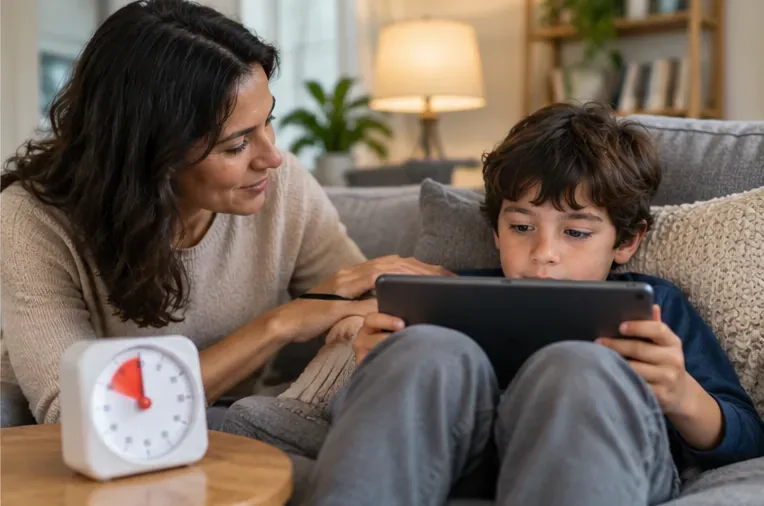
Learn how to set screen-time boundaries with predictable routines, warnings, calm follow-through, and better transitions—without turning every device handoff into a fight.
Teach children to handle losing without shame or explosive anger by validating feelings, setting behavior limits, modeling recovery, and practicing at the right difficulty.
A calm, practical plan for after-school meltdowns: reduce overload, keep limits clear, track patterns, coordinate with school, and know when to seek help.
Learn how to respond when a child feels unwanted, ask supportive questions, recognize bullying or ongoing distress, and know when to seek extra help.
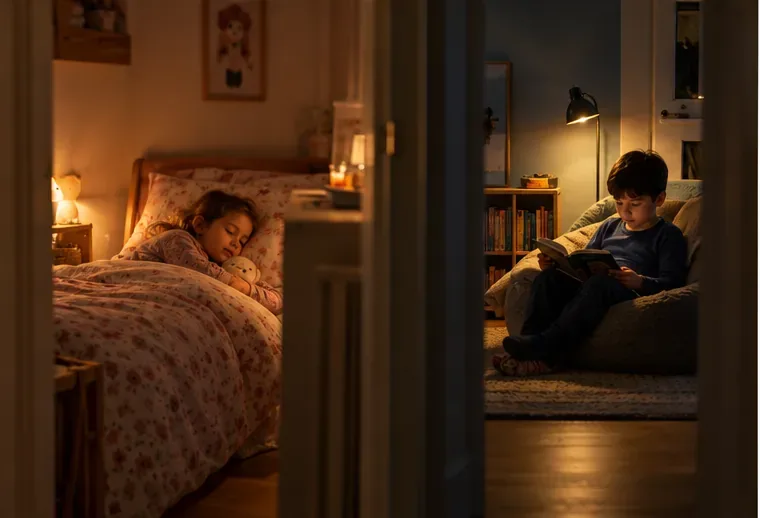
Learn how to set up a shared bedroom for siblings with different bedtimes, from planning around age-based sleep needs to creating separate sleep spaces and quiet routines.
Compare full-day, gradual, and temporary at-home return plans, plus health checks and school supports that can help a child reenter safely.
Learn when a child can try to solve a friendship problem, when adults should step in, and how to tell whether support is helping or needs to change.