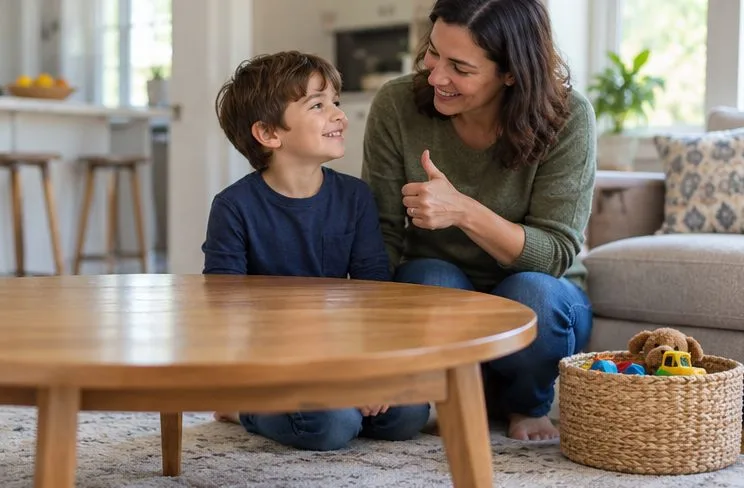
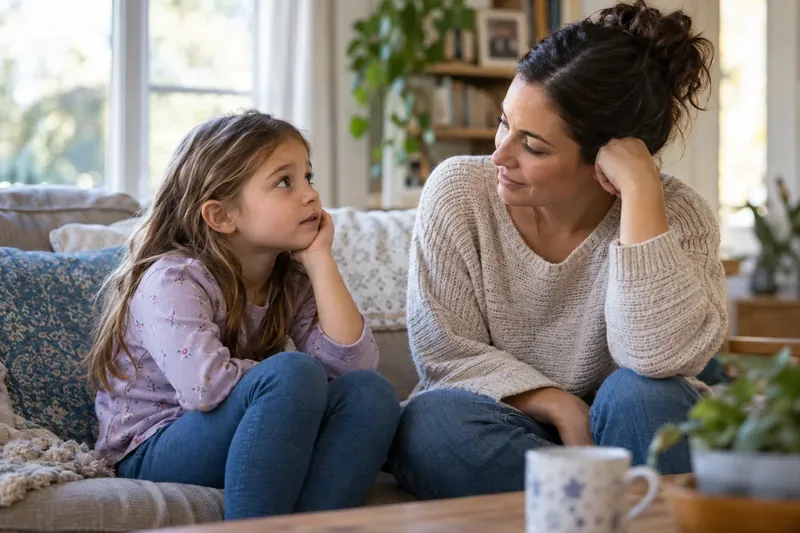
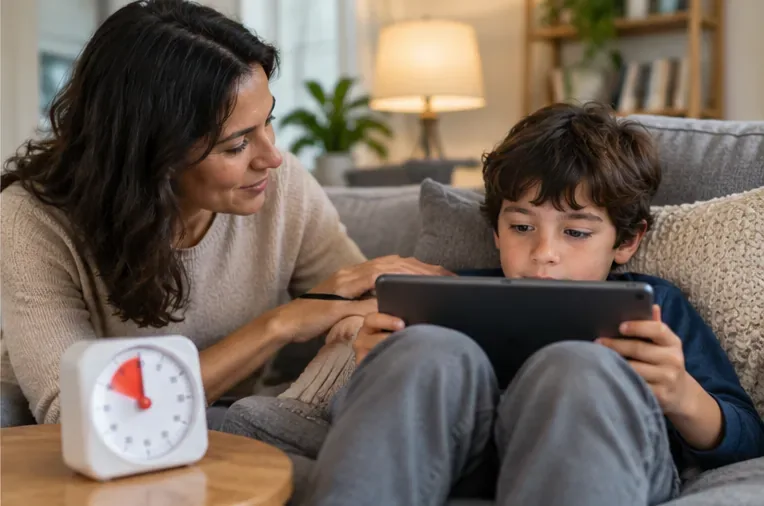
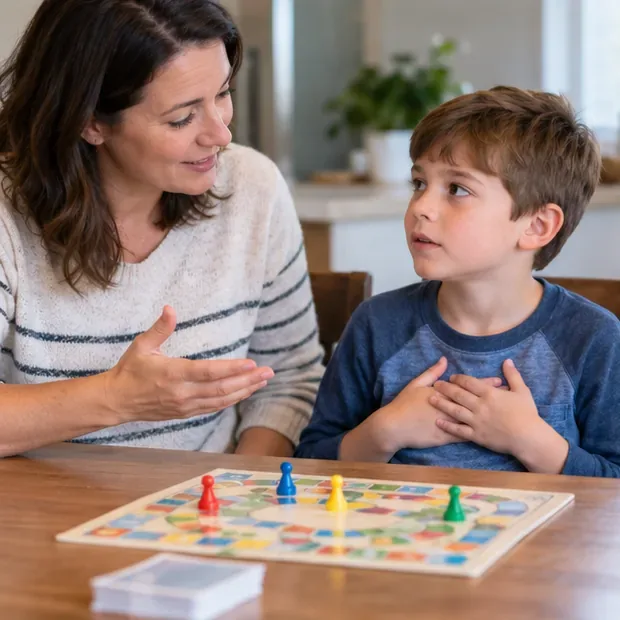
Having your baby play with you from the early childhood days will not only give him joy, but also long-term development of essential and essential skills.
If they are the first or only child, they can only play by themselves or with their parents until they are sent to kindergarten, so that they have a chance to play with their friends. The transition from children being seen as the center of attention of the family to the process of social inclusion is a developmental milestone that children need to go through. Having your baby play with friends helps them connect with people from the start, and interact properly.
What is playing with you?
Play with friends is the time when your baby exits his comfort zone and starts interacting with other children including sharing gifts with friends, playing together (playing toys, chasing ...). In the early years, your child will be interested in role-play. As your baby gets older, playing with you will be very important as it supports your child's development of many other abilities.
At what age should children start playing with friends?

When it comes to playing with friends, age is not an important factor as each child has a different approach and interaction. If the child is 1.5 - 2 years old, he or she can observe other children playing alone and react to it. When the child is 3 - 4 years old, the need for connection increases and the concept of playing with friends begins to arise in the child's thinking.
Benefits of letting your baby play with you
At first, the little angel will observe the actions of another adult or child and imitate it while playing alone. Then, the baby uses the observations while playing alone. Gradually, I started to interact with people more. When you play with friends, your child can:
1. Language development
Not all development takes place in an active way, but some may occur passively. When in public or observing peers, a child can learn a lot by watching how children behave, talk to each other and begin to gain awareness.
If someone screams because the ball is flying towards the child, the child will respond by looking towards that person and trying to look around for the ball. This is also how a child acquires words and styles of speaking a particular language.
2. Develop gross motor skills
Play is a process that involves many factors, such as imagination and body. Whether your toddler just repeats the same activity over and over again or touches something while playing with a friend, it contributes to his learning and development of gross motor skills. There is no right or wrong way to play. Things seem simple to you but can be difficult for little hands learning complex fine tune.
3. Speak your mind
Play activities with your child's friends motivate all feelings and desires to be clearly expressed. Situations such as joy, sadness when falling, confusion, and awkwardness all help children express their thoughts, create opportunities for you to discover their natural attitudes and gradually shape their character.
4. Develop a sense of personal boundaries

When exposed to a new environment, babies begin to sense what can and can't be done. Example: I still enjoy touching my parents hair every day but I won't be able to do the same to others.
5. Learn to share
Children often enjoy owning toys and do not want to lend them to others. However, you should teach your children to share what you have with friends because this will help them feel happier. Through their actions, you will realize that they have an extroverted personality, easily make friends or be distant and do not like to play with anyone.
How to encourage your baby to play with friends
To help your child play with friends, parents can try the following, but don't push too hard when the child is not ready:
If your neighbors or friends or coworkers have young children, start by letting them play side by side instead of together. Each child will bring his or her own toy and play with them. This will stimulate the curiosity of both and gradually interact with each other.
Bring enough toys for your child. If your child has a black car and others have a blue or white one, he or she may want to take the item from you. So, it is better to have your baby participate in simpler activities like coloring or playing clay to minimize the comparison in quantity and quality.
Young children do not need to play actively. Even simple actions like watching cartoons, singing or dancing to a song will help your child bond with another child.
Quarrels or even fights can happen between babies and this is quite normal. You can refer to lesson 9 ways to help you handle the situation of children fighting to know what to do when facing this situation. In order for your baby to succeed in playing with you, you keep your children together even when neither side wants to talk. Sooner or later, the children will also interact with each other.
If your children have started playing together, encourage them to swap toys.
When letting your baby play with you, you should also choose locations where there are not too many people. Children may sometimes feel stressed and less likely to play together in crowded places.