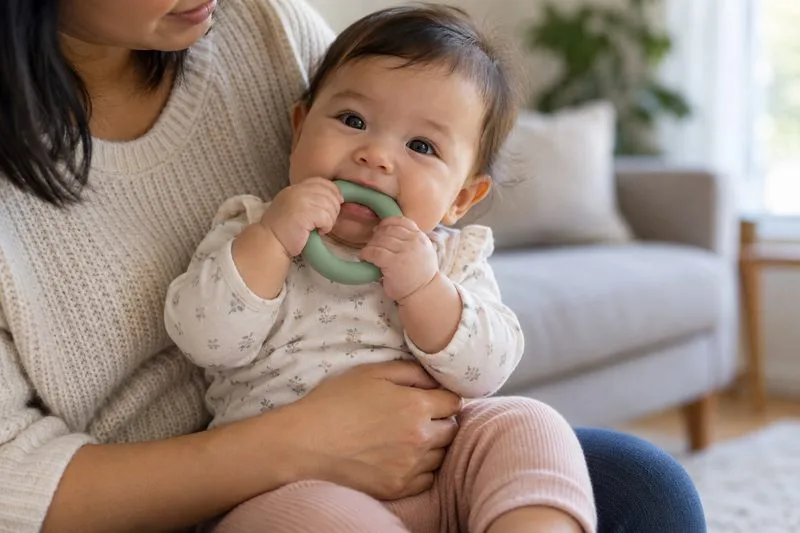
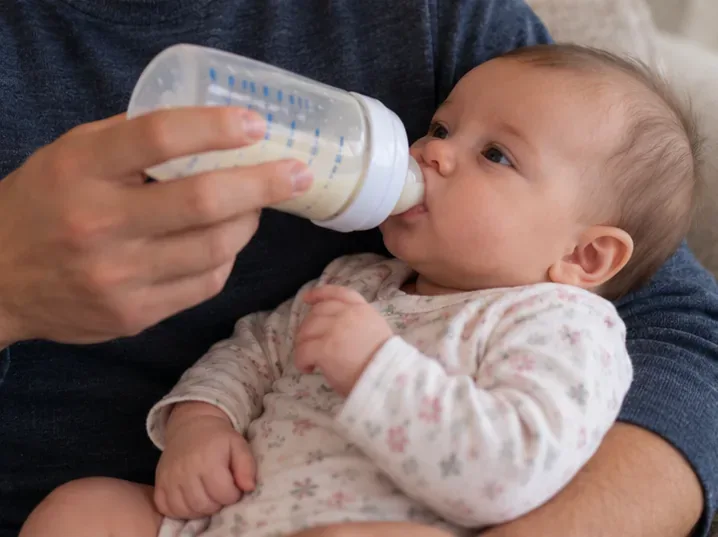
A standard diet in both quality and quantity is very important for a child's comprehensive development, especially in the first years of life. According to nutrition experts, to ensure the nutritional needs of the baby, every day mothers should divide the baby's diet into many small meals.
Having a small stomach capacity but a high rate of food metabolism, children, especially infants and young children need to eat many small meals a day to ensure enough energy for their comprehensive development. physically and mentally. But how much is enough for one meal?

Each age is different, the baby's nutritional needs will also be different
In addition to milk, babies 6-12 months old need 2 main meals and 2 snacks a day. And the amount of food children eat will increase with age, weight and capacity of the stomach. As recommended by experts, to ensure rapid development in the first 2 years of life, children need to be provided with about 112 calories per kilogram of weight. However, the child's stomach volume at this time can only contain about 200 grams of food, so the baby will probably need from 5 to 6 meals / day to provide enough nutritious rations. On average, every 3-4 hours, a mother can feed her baby a small meal with a full range of substances. Orange juice, yogurt, biscuits or fruit are healthy snacks you can feed your baby after meals. However, avoid letting your baby eat too much or scattered throughout the day to make him "full" and eat less in main meals.
For children, the total amount of food consumed per day is more important than the amount of food "loaded" in each meal. So, if you miss a meal, you don't need to worry. Your baby can make up for the necessary amount in the following meals. In particular, experts also recommend that each baby's meal should not exceed 30 minutes. If the baby is "sticking" for too long, the mother can actively stop the meal and feed the baby with compensated milk or feed the baby a little earlier in the next meal.
The menu "standard" for healthy baby development
In the nutritional menu for babies every day, mothers should ensure all 4 important groups of nutrients, and follow the correct proportion of 20-25% protein, 30-40% fat and 35-50% starch, green vegetables and fruits of all kinds.
- Protein: To meet the needs of building and developing tissues and muscles as well as providing energy for the normal functioning of organs, every day, babies need 2- 2.5 grams of protein for each kg of weight.
Fat: Playing an important role in the process of forming nerve cells and maintaining brain activity, fat is an indispensable part of the baby's diet in the first 2 years of life , period. rapid growth of the brain. On average, your baby will need between 33 and 45 grams of fat per day.
- Starch: 150-200 grams of carbs per day is just enough for your baby to be able to maintain the necessary activities every day. Mom notes that the baby should eat just enough, not overeating. Excess carbohydrates in the daily menu are a common cause of overweight and obesity in children.
- Green vegetables, fruits: Both support the digestive process, green vegetables and fruits are also a source of vitamins for babies to develop healthy. Ideally, every day mothers should feed the baby about 50 grams of vegetables and about 150 grams of fruit.
![Should split meals for children?]()
The standard numbers of nutrition for a 1 year old baby Turning 1 year old, in addition to breastfeeding, the child starts to learn to eat and become familiar with a diverse and rich world of nutrition. How do I know if my baby is fully provided with nutrients for comprehensive development? Mom do not ignore the following standard numbers on nutrition for a 1 year old baby!
>>> See more discussions with related topics:
10 golden rules for mothers to take care of their baby's nutrition
Balanced nutrition for the baby up to 4