Home
» Pregnancy
»
Frequent Urination During Pregnancy: Stay Hydrated Without Constant Bathroom Trips
Frequent Urination During Pregnancy: Stay Hydrated Without Constant Bathroom Trips
Frequent urination is common in pregnancy, but cutting back sharply on fluids is not a safe fix. Keep drinking regularly during the day, move larger drinks earlier when that suits your routine, and only reduce late-evening sipping if nighttime trips are disrupting sleep. If you feel thirsty, drink. Contact your maternity clinician for burning or pain, blood in your urine, or other new urinary symptoms because a urinary tract infection (UTI) can resemble an ordinary pregnancy symptom.
A daytime glass of water with breakfast is one way to spread fluids across waking hours.
A quick plan for staying hydrated
When
Practical approach
Why it helps
Morning and daytime
Drink with meals and take small, regular sips between them. Keep water or another suitable nonalcoholic drink nearby.
Spreads fluid intake across the day instead of saving most of it for evening.
Late afternoon and evening
If nighttime urination is a problem, avoid chugging a large drink right before bed. Keep a bedside glass and drink when thirsty.
May reduce a late fluid surge without restricting hydration all day.
When symptoms change
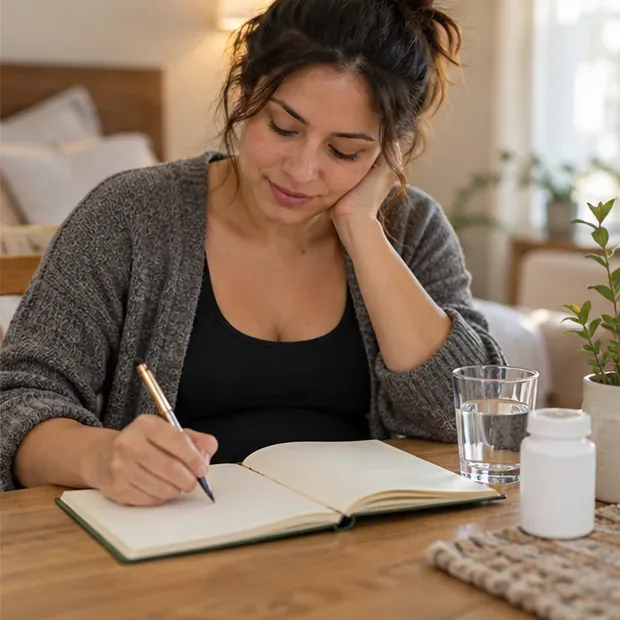
Note how often you urinate, whether each trip produces a usual amount, what and when you drink, and any pain, fever, or urine changes.
A short record can help your prenatal team distinguish a routine pattern from a problem that needs evaluation.
Why pregnancy can make you pee more often
Needing to urinate more often may start early in pregnancy and continue throughout it. Hormonal and circulation changes can affect how much urine your kidneys make; later, the growing uterus and the baby’s position can put pressure on the bladder. Near the end of pregnancy, the bladder may hold less at a time, so you may pass smaller amounts more often. This is common, but a new or sudden change should not automatically be blamed on pregnancy.
Frequent urination alone does not mean you are dehydrated. The useful goal is to meet your body’s fluid needs while adjusting when you drink, rather than deliberately drinking too little. Your needs vary with activity, heat, vomiting, medical conditions, and clinician advice. Ask your obstetric clinician for a personal fluid plan if you have been told to limit fluids or have a condition affecting your kidneys, heart, or blood sugar.
Make a daytime hydration routine
Use small, regular drinks instead of catching up at night
Drink across the day, for example with breakfast, lunch, and dinner and at convenient breaks between meals. A refillable bottle can serve as a reminder, but it does not need to become a target you force yourself to finish. Choose water or other pregnancy-appropriate nonalcoholic drinks. If nausea makes drinking difficult, try small, frequent sips and tell your clinician if you cannot keep fluids down.
Keeping a refillable bottle within reach can make regular daytime sips easier to remember.
Shift timing, not your whole day’s intake
If you wake repeatedly to urinate, try taking larger drinks earlier in the day and avoiding a large drink immediately before bed. Do not stop drinking for hours before bedtime if you are thirsty, overheated, exercising, ill, or losing fluid through vomiting or diarrhea. Drink to thirst and follow any individualized advice from your prenatal team.
Shift larger drinks earlier if nighttime trips disturb sleep, but keep water nearby and drink if thirsty.
Notice drinks that may worsen urgency
Caffeine can increase urination for some people. ACOG advises limiting caffeine to less than 200 milligrams a day during pregnancy; if you have caffeinated tea, coffee, cola, or energy drinks, consider reducing them or avoiding them later in the day. Do not replace water with alcohol. Read ACOG’s pregnancy guidance on caffeine. Fizzy or acidic drinks bother some bladders, though triggers differ. A brief drink-and-symptom note can show whether a particular drink affects you. Do not remove nutritious foods or whole categories of fluid without a reason.
Make bathroom trips more comfortable
Go when you feel the urge rather than routinely holding urine for a long time.
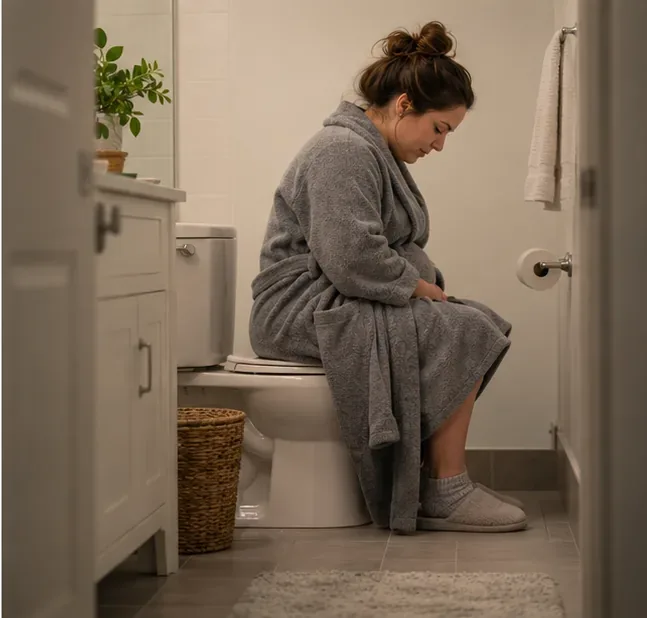
Take your time and relax your pelvic floor. In later pregnancy, gently rocking or leaning forward while seated may help you empty more completely.
Plan bathroom stops before a long drive or meeting, and choose clothing that is easy to manage. A thin liner may help if small leaks occur, but it does not treat an underlying cause.
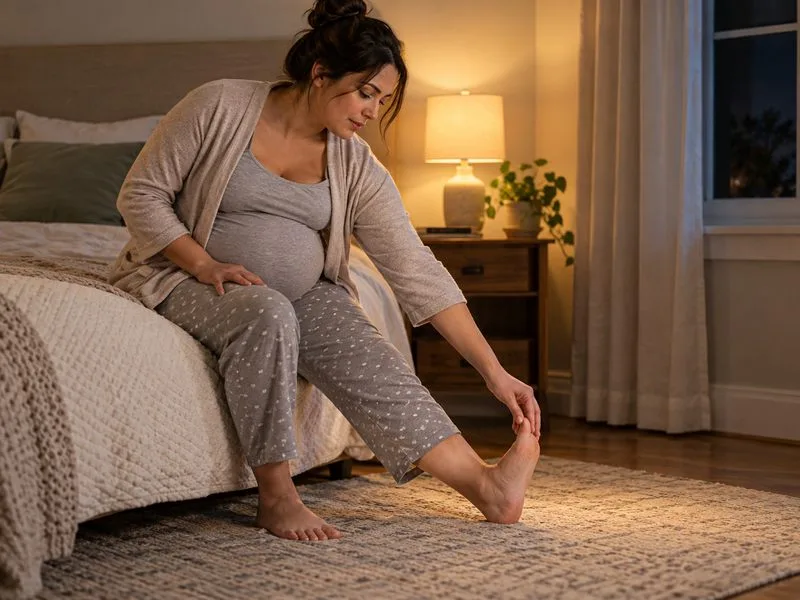
If trips interrupt sleep, use a clear, well-lit path to the bathroom and keep a drink within reach.
In later pregnancy, leaning or rocking gently forward while urinating may help ease pressure and empty the bladder.
How to check whether you may be getting dehydrated
Thirst, a dry mouth, dizziness or lightheadedness, feeling unusually tired, urinating less than usual, or repeatedly passing very dark urine can be warning signs of dehydration. No single sign diagnoses it, and urine color can be affected by medicines, vitamins, foods, or illness. Frequent urination does not rule dehydration out if you are also losing fluid from vomiting, diarrhea, fever, or heavy sweating. If you are worried, contact your maternity team instead of trying to correct the problem by rapidly drinking a very large amount.
Seek advice promptly if you cannot keep liquids down, are barely urinating, feel faint, or have persistent vomiting. Severe pregnancy nausea and vomiting can need treatment to prevent or treat dehydration. If you have been given fluid restrictions or a medical condition that changes your needs, ask your clinician before changing your intake.
When frequent urination may be a UTI or something urgent
What you notice
What to do
Frequency that is familiar, without pain, blood, fever, or feeling unwell
Use the timing and comfort steps above and mention persistent concerns at prenatal care.
Burning or pain when urinating, blood in the urine, new urgency, or urine that smells or looks unusual
Contact your obstetric clinician or maternity service promptly, ideally the same day. UTIs during pregnancy need clinical assessment and treatment advice.
Fever (100.4°F / 38°C or higher), chills, pain in your side or back, nausea or vomiting, or feeling seriously ill
Seek urgent medical care now. These symptoms can signal a kidney infection or another condition that should not wait for a routine visit.
Do not use leftover antibiotics, urinary pain medicines, herbal remedies, or “bladder” supplements without checking that they are appropriate in pregnancy. A clinician can decide whether you need urine testing and which treatment is safe. Routine prenatal urine checks may identify bacteria even when there are no obvious symptoms, so keep scheduled prenatal visits.
Simple checklist
Have fluids regularly through the day; do not cut intake sharply to avoid bathroom trips.
If night waking is the main issue, move larger drinks earlier and keep water nearby for thirst.
Observe caffeine and any personal bladder triggers, especially later in the day.
Try unhurried, relaxed emptying; gently lean or rock forward later in pregnancy if comfortable.
Call promptly for painful urination or blood; seek urgent care for fever, chills, flank or back pain, vomiting, or severe illness.
Ask your maternity clinician for individualized advice if you have fluid restrictions, persistent symptoms, vomiting, or signs of dehydration.
Pregnancy-related frequency can be inconvenient, but dehydration is not the price you need to pay to manage it. A steady daytime routine, modest timing adjustments, and early attention to warning signs offer a more balanced approach.