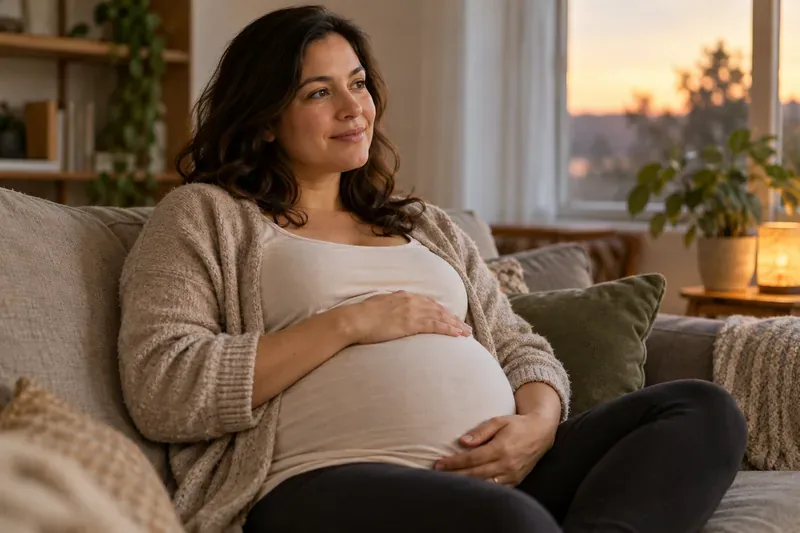
Does pregnancy report with abdominal pain? The answer is yes. However, these pains have distinct characteristics other than menstrual pain.
Pregnancy is a sign that you are pregnant. However, many people often confuse this condition with menstruation. Bleeding is not very common in the first few weeks of pregnancy. So where is the cause and the bleeding indicates abdominal pain? The answer will be answered in the following article.
Does pregnancy report with abdominal pain?

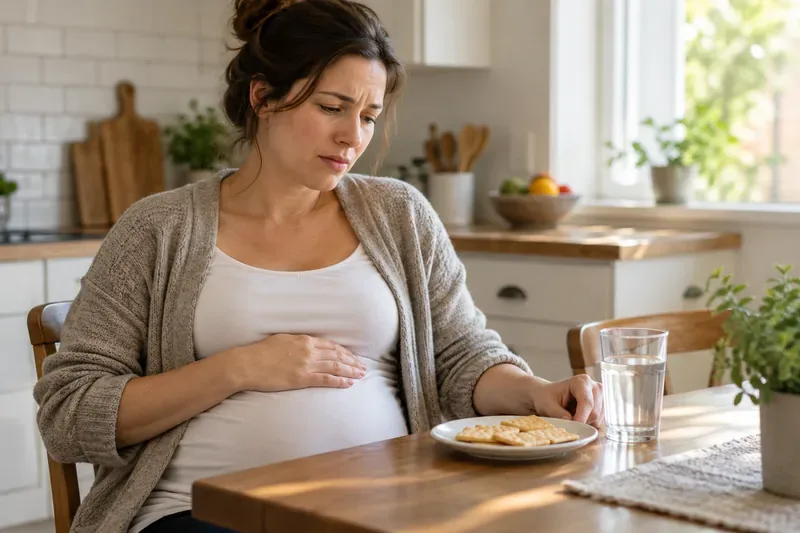
Many women wonder that the bleeding to report pregnancy has abdominal pain? In fact, mild stomach cramps and dull bleeding are the first signs of pregnancy. Fetal blood appears after successful fertilization about 8-10 days. The embryo moves and attaches to the uterine wall, causing the lining to damage. At this point, the mucosa will be sloughed off and pushed out. As a result, you will see additional bleeding like you notice blood on your underwear or toilet paper along with stomach cramps.
The pain may resemble menstrual pain, but it usually occurs in the lower abdomen. Sometimes the bleeding has stopped but you may still feel a stomach ache. Reported blood usually appears 1 week before menstruation with drops of blood that are dark brown or light pink. Only 25 - 30% of women have fetal blood and many of them do not distinguish between what is the fetal blood and what is normal menstruation. When you experience this condition you can combine reference with the signs of pregnancy to be more sure of you are pregnant or not.
In addition, to be more sure you can see your doctor to determine if you are currently pregnant or not. Knowing the situation of pregnancy early, the sooner you can prepare for your pregnancy journey, take care of yourself, supplement the best essential vitamins and nutrients for your baby.
![Answering the question of whether there is abdominal pain in pregnancy?]()
Bleeding and lower abdominal pain are signs that you are pregnant, not the beginning of a period. If you've been bleeding for more than 3 days, it's more likely to be your period. Every woman has a different pregnancy bleeding time. The leopard may appear in 1-2 days or even a few hours a day. If the bleeding takes longer than 2 days, you're more likely to have another problem like an ectopic pregnancy.
Hormonal changes in early pregnancy can also lead to stomach upset. Ligament pain can cause strong pain or dull pain. The pain may be due to the expanding uterus in preparation for the growing fetus.
How to reduce abdominal pain when reporting pregnancy?
You can try the following tips for pain relief:
Light exercise like walking strengthens the pelvic and abdominal muscles.
Rest or take a warm bath to relieve pain.
Cold compresses or warm compresses are also helpful.
Your doctor does not recommend taking any medicine during this period. Because it can affect the baby in the belly. See your doctor when:
You feel severe pain, especially pain on one side of the abdomen
Severe bleeding is accompanied by severe pain
The blood was flowing more and more
There is a blood clot appearing.
If you have severe and heavy bleeding, you should go to the hospital or medical center right away as it could be signs of the following dangerous conditions:
Chemical pregnancy (false pregnancy) : fertilization, but the pregnancy cannot live long, leading to early miscarriage.
Ectopic pregnancy : this condition is very rare: occurs when an embryo fertilizes the uterus. You will often experience pain in one side of the pelvis, accompanied by dizziness and pain in the neck / shoulder.
Miscarriage: About 15% of pregnant women can experience a miscarriage in the first few months of pregnancy ( WebMD ). A miscarriage will cause bleeding and upset stomach more than normal periods. It can also be accompanied by lower back pain.
Hope that the above information has helped you to relieve anxiety about whether the pregnancy has abdominal pain and prepare mentally for the pregnancy ahead.
aFamilyToday Health does not offer medical advice, diagnosis or treatment.