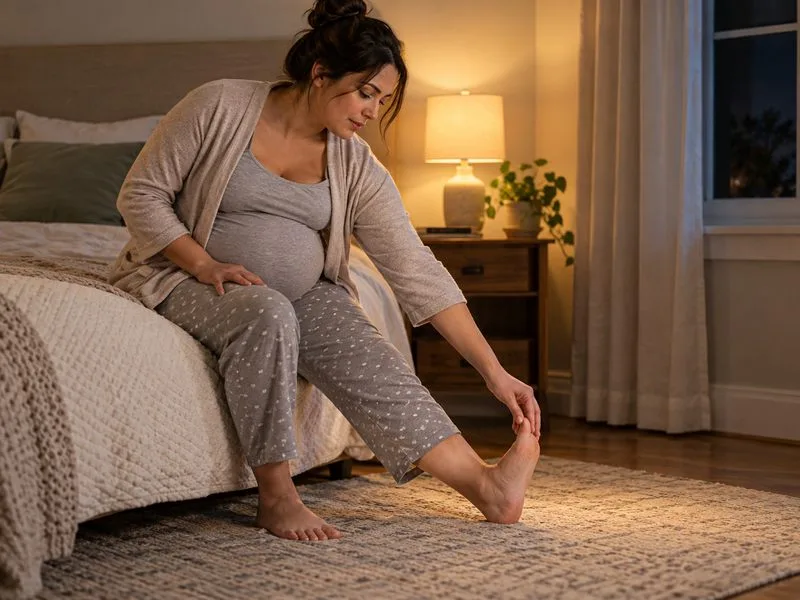
8 ways to limit urination for pregnant mothers

8 ways to limit urination for pregnant mothers

While pregnant, you may find that you have no control over your bladder. You may feel your body urinating when you cough or laugh or feel strongly emotional. Don't be ashamed because this is completely normal.

There are a few things you can do to have better bladder control.

1. Kegel exercises

Kegel exercises are very important. You should do 30 kegels a day.


The purpose of this exercise is to strengthen the muscles around the vagina and to increase the ability to control and relax these muscles. This will help prepare your body for labor and help speed up postpartum recovery.

To learn how to feel the muscles, stop and continue on the toilet while on the toilet. Practice makes your sitting, standing, walking, driving and watching TV activities easier.

Try to squeeze a little at a time, like you are slowly taking the elevator up to the tenth floor, then relax very slowly a little at a time.

Try to tighten the front to back muscles including the anus (rectum) as in the exercises above. You can do the exercises every morning, afternoon, and evening (three times a day), starting with five times and gradually working up to 20-30 each.

2. Weight control

Keep moderate weight gain during pregnancy as extra weight puts extra pressure on your bladder during pregnancy.

3. Bladder training

Take control of your bladder by making it a habit to pee every 30 minutes before you really feel like going and then try to extend the time between each bowel session each day.

4. Avoid constipation

Try to avoid constipation during pregnancy so that your bowels don't put any extra pressure on your bladder. You can eat plenty of fiber to avoid constipation during pregnancy.

5. Drink plenty of water

Drink at least eight glasses of water a day. Cutting down on water intake can make you more susceptible to dehydration and urinary tract infections. Don't cut back on water just because you are afraid of urinating a lot or urinating.

6. Avoid beverages with stimulants

Avoid coffee, citrus juices, tomatoes, soft drinks, and alcohol - all of which can irritate your bladder and make bladder control more difficult.

7. Use tampons

Padding pads can help absorb the leaked urine. You should not use tampon tampon tampons because it will block urine and pregnant women should not use these during pregnancy.

8. Cross your legs

Use the cross legged Kegel exercise when you feel the need to cough, sneeze, or when you are about to laugh or lift something heavy.

If the incontinence does not improve, contact your doctor for prompt advice and treatment.
 

Leave a Comment

Why Food Aversions Can Linger After Pregnancy Nausea Improves

Why Food Aversions Can Linger After Pregnancy Nausea Improves

Pregnancy food aversions may outlast nausea as smell, taste, and learned associations shift on different timelines. Try practical steps and learn when to call your clinician.

Why Can Pregnancy Nasal Congestion Continue for Months?

Why Can Pregnancy Nasal Congestion Continue for Months?

Pregnancy-related nasal swelling can last for weeks or months. Learn why it happens, how it differs from allergies or infection, what may help, and when to call your clinician.

Frequent Urination During Pregnancy: Stay Hydrated Without Constant Bathroom Trips

Frequent Urination During Pregnancy: Stay Hydrated Without Constant Bathroom Trips

Learn practical ways to manage frequent urination during pregnancy while staying hydrated, plus symptoms that need prompt medical attention.

How to Plan Work Breaks for Afternoon Pregnancy Fatigue

How to Plan Work Breaks for Afternoon Pregnancy Fatigue

Plan practical work breaks around afternoon pregnancy fatigue. Learn how to spot your pattern, adjust tasks, ask for support, and know when to call your care team.

Pregnant During Flu Season? Questions to Ask at Your Prenatal Visit

Pregnant During Flu Season? Questions to Ask at Your Prenatal Visit

A practical prenatal visit checklist for the 2026–27 flu season: ask about the flu shot, symptom plans, treatment, exposure, and urgent warning signs.

Vitamin B6: A new solution to reduce morning sickness symptoms

Vitamin B6: A new solution to reduce morning sickness symptoms

Discover how Vitamin B6 can effectively reduce morning sickness symptoms during pregnancy. Learn about dosage, safety, and natural remedies for a healthier pregnancy journey.

What should I eat during the 5th month of pregnancy to ensure nutrition for the baby?

What should I eat during the 5th month of pregnancy to ensure nutrition for the baby?

Discover the best foods to eat during the 5th month of pregnancy to ensure proper nutrition for your baby. Learn about essential nutrients, foods to avoid, and tips for a healthy pregnancy diet.

How does hypothyroidism affect fertility?

How does hypothyroidism affect fertility?

Discover how hypothyroidism affects fertility and learn about the latest solutions to manage thyroid health for better reproductive outcomes. Explore key insights and expert advice.

Getting pregnant is easier thanks to vitamin D supplementation

Getting pregnant is easier thanks to vitamin D supplementation

Discover how vitamin D supplementation can enhance fertility and make getting pregnant easier. Learn about the benefits of vitamin D for both men and women in improving reproductive health.

Learn about the uterus and changes during pregnancy

Learn about the uterus and changes during pregnancy

Discover the key changes the uterus undergoes during pregnancy, including size, structure, and function. Learn about fetal development, hormonal impacts, and common concerns.