How Two Caregivers Can Follow the Same Baby Sleep Routine
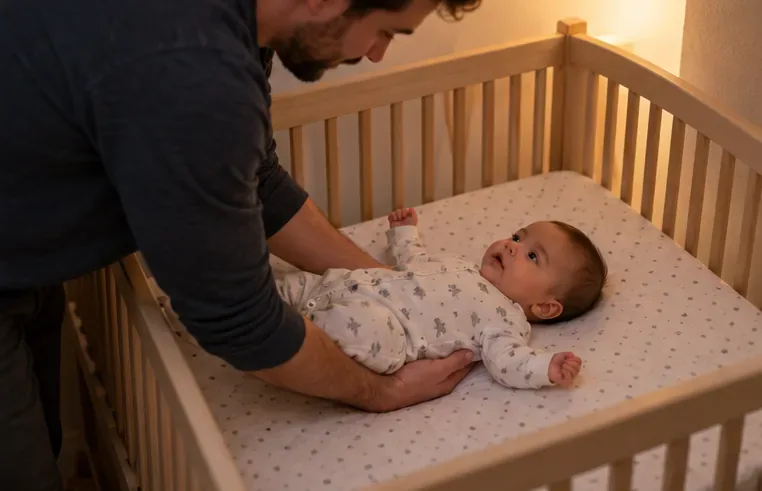
Help two caregivers share a calm, flexible baby sleep routine with a clear handoff, age-aware steps, and the same safe-sleep finish.
Sitting is one of the great strides in a child's development. When they can sit, they can see the world around them in a completely pretty way compared to the previous time. Besides, the baby practice sitting is also an important milestone for the baby to crawl, stand and walk later
From the 4th month, your baby's neck and head muscles will develop rapidly and become stronger. Thanks to this, the baby will learn to hold his head up high and hold his head while flipping. It is also during this period that most babies will begin the process of sitting, and become more stable at the age of 8 months. However, with some children, even though they are able to sit well, they are still particularly interested in overturning and rolling around.
Once they are able to hold their heads up high, babies will find a way to use their arms to lift and keep their breasts off the floor. By the 5th month, the baby may be without support, but we should stay with the baby to help him when needed and remember to put packages and blankets around the room when he falls .
Immediately after that, your baby will find a way to maintain body balance while sitting by leaning forward slightly with one or two hands on the ground. By the 7th-8th month, the baby can sit firmly without support, the hands can freely swing to explore and at this point, the baby will learn to manage to reach for the things he likes while sitting.
At this time, the baby can know how to push the hand to sit up and by 8 months old, he is able to sit "firm like a mountain" by himself.

Sitting is one of the important milestones in a child's development
Mother should prepare for the baby sitting period?
- Practice for your baby to raise his head and chest to strengthen his neck muscles and practice his ability to control his head while sitting. In addition, mothers can encourage the baby to play face down and quickly raise their head to look.
- Use bright colored toys that can make noises or use mirrors to check if your baby's hearing-seeing is developing appropriately. Once the baby is quite confident when sitting, mothers should keep toys and other attractive objects a little out of reach of babies, they will attract the baby's attention, making them want to reach and grab them. Thanks to this, the baby will learn to keep balance with their arms.
- Always be there when your baby learns to sit to support them when they fall and be a cheerleader when they want to show their new skills.

Looking forward to each child's developmental milestones Every day with your baby is a joy of discovery. It is not uncommon for your baby to discover new skills with each passing day. At each age, your baby will have different developmental milestones. Only when mastering this, can parents keep babies safe and healthy.
What to do when the child does not know how to sit?
The development of skills in each baby will be different, there will be a faster baby and a slower baby, but head control is very important so that your baby can sit independently. Sitting is the key to helping your baby crawl, stand and learn to walk. Therefore, if the baby is not able to sit up until 4 months old, the mother should send her to the doctor to see her doctor. specific testing and advice. For premature babies, these developmental milestones may be a bit slower than for babies of the same age.
After learning how to sit, what can babies do?
Once they are able to lean forward while sitting and maintain balance in their arms and knees, they will probably begin to practice moving back and forth on their arms and legs. When some babies start to crawl when they are 6-7 months old, others will take longer, maybe up to 10 months old to crawl well. As recommended by most pediatricians, when the baby can sit without much support, the mother should start to practice feeding the baby solid foods.
>>> See more discussions with related topics:
Is it good to sit in a walker?
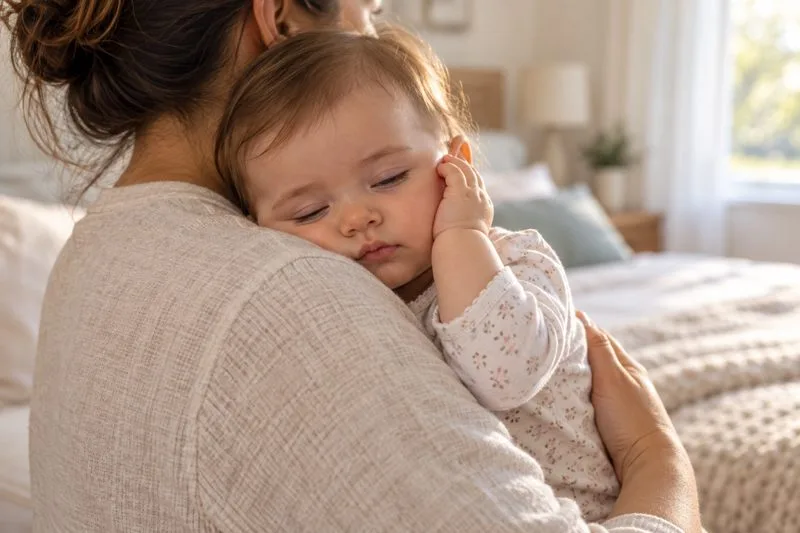
Help two caregivers share a calm, flexible baby sleep routine with a clear handoff, age-aware steps, and the same safe-sleep finish.
Face or ear rubbing can accompany tiredness, but it is not a diagnosis. Learn common explanations, what to watch for, and when to call the pediatrician.
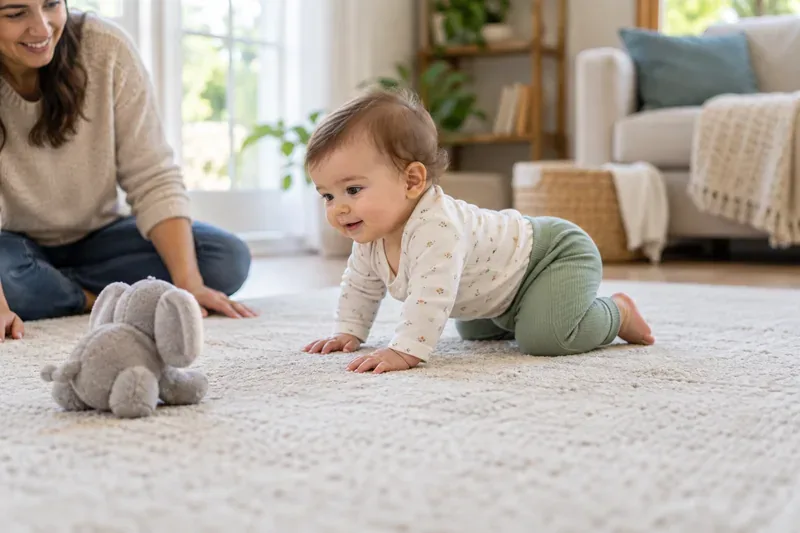
Babies may scoot backward as they learn to coordinate their arms and legs. Learn what is common, how to encourage safe floor play, and when to ask a pediatrician.
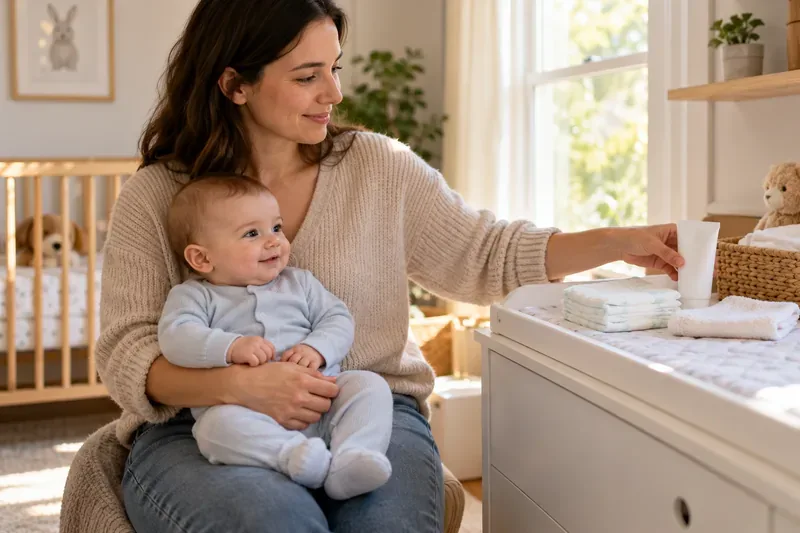
Recurring diaper rash may be linked to ongoing irritation, diarrhea, yeast, product sensitivity, or another skin condition. Learn what to track and when to call the pediatrician.
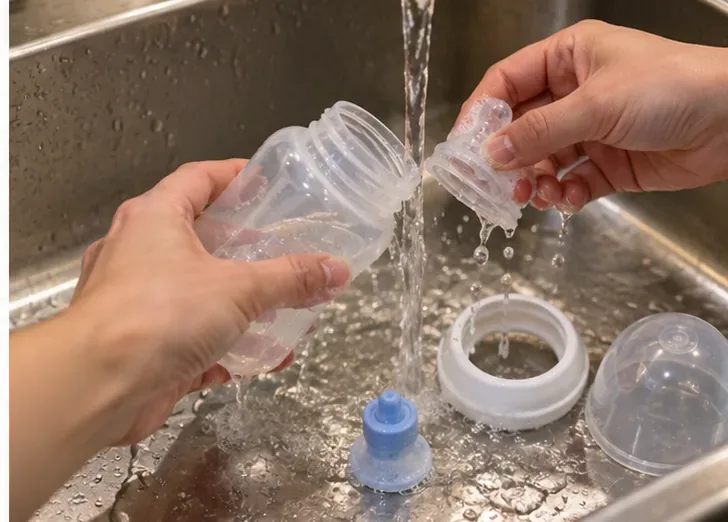
Learn a safe, practical way to hand-wash bottles and feeding equipment while traveling, including rinsing, air-drying, sanitizing, and safe-water tips.
Learn how to track a baby’s wet diapers, feeds, urine changes, and warning signs—and when a drop in output needs prompt medical advice.
Keep your baby comfortable in a simple Halloween costume, take a few quick photos, and follow practical guidance for warmth, car seats, and safe sleep.
Discover the key signs of newborn fast breathing, learn how to identify pneumonia risks, and explore effective solutions for infant respiratory health. Stay informed about your baby
Discover the best cooking oils for 6-month-old babies to ensure proper nutrition and development. Learn why fats are essential, how to use them, and which oils are most beneficial for your baby’s health.
Discover essential baby development milestones from 3 to 6 months old. Learn how to support your baby’s growth with expert tips and activities for better bonding and development.