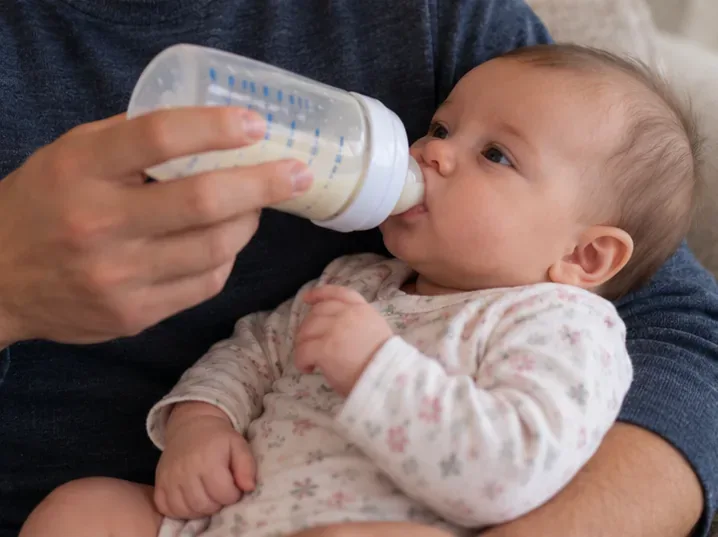
Pediatric experts say that prolonged anorexia can have serious effects on brain and physical development in children.
Anorexia children can be found at many different ages. Right from the time the baby is weaned, anorexia occurs.
Causes:
According to doctors, anorexia in babies is divided into two main groups: Pathological and psychological causes.
Causes of pathology: Because the baby has acute diseases due to infections, viral infections of the respiratory system, digestive system, .. is susceptible to intestinal disorders, making the baby's intestines vulnerable, poor digestive system. The babies have bloating, indigestion, which leads to difficulty eating and anorexia.
Psychological reasons: Being forced to eat by adults, scolded while eating, being overfed, ... also made the baby become afraid of food, unable to eat.
In addition, it may be because you prepare food that is not suitable for the baby's taste, or some babies are active, busy playing, forget to eat, ...
Symptoms:
Anorexia has many different manifestations: the baby eats less than usual, keeps the food in the mouth for a long time, refuses to swallow, refuses to eat some foods such as meat, fish, eggs, and milk. Some babies even refuse to eat all kinds of food, run away when they come to meals, see the food as having a nausea reaction or the feeding father or mother refuses to eat but others feed it ...
Effects of anorexia:
Pediatric experts say that prolonged anorexia can have serious effects on brain and physical development in children. Children with anorexia usually have a lower growth index than normal babies in both height, weight and intelligence. In addition, anorexia makes the baby weakened the immune system, susceptible to chronic diseases and a high possibility of respiratory infections. More seriously, your baby may experience a growth disorder.

Should change the diet regularly to make the baby feel delicious
Usually, the baby will only eat when feeling hungry and when the body lacks nutrients. Therefore, you should feed your baby when there is a real need. If forced to eat, babies often feel scared when it comes to meals, afraid when seeing food. More harmful is that the baby may have a psychological anorexia and lose appetite.
You also need to understand the cause of your baby's anorexia so that there is a way to handle it promptly, avoiding it for a long time, which will affect the overall development of the baby. For children with anorexia due to pathological causes, first of all, it is necessary to completely treat the disease and at the same time take care of the patient's diet. Then, when the baby is sick, give him food and drink as usual.
On the contrary, for children with anorexia for psychological reasons, you should observe and offer suitable solutions so that the baby can eat and drink as usual. This can take a long time, but you need to be patient to wait for the results.
Some notes when children anorexia:
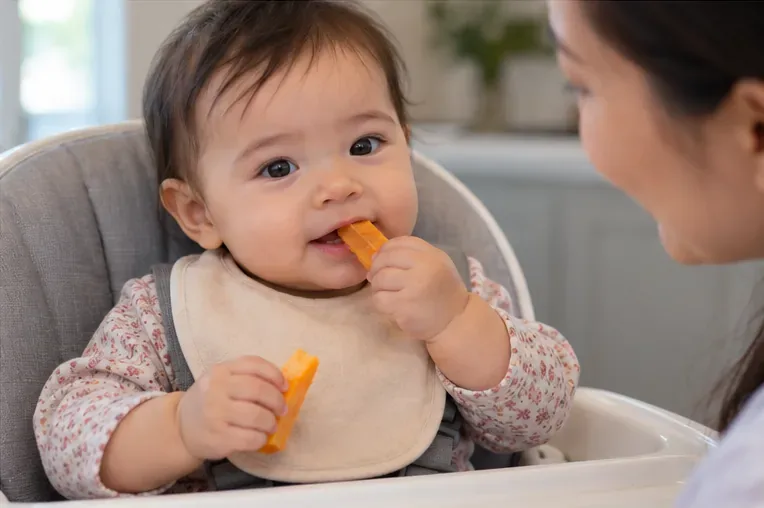
Feed your baby at a certain time to form good eating habits. The time for baby's meals should not be too long for the baby to get used to it, if during that time the baby eats less, you should not be too worried because the baby will eat more next meal.
Baby should eat just enough, do not force your baby to eat too much. In addition, in order to stimulate your baby's appetite, you should also prepare a variety of dishes with attractive and beautiful decorations ... for sure your baby will enjoy.
While feeding your baby, avoid turning on the television and giving toys to your baby. By doing so, your baby will lose focus and prolong the time of the meal. Not paying attention to eating is also not beneficial for the baby's digestive system.
Do not let your baby eat sweets, drink milk or juice before meals, that will make your baby have no appetite for foods, leading to anorexia.