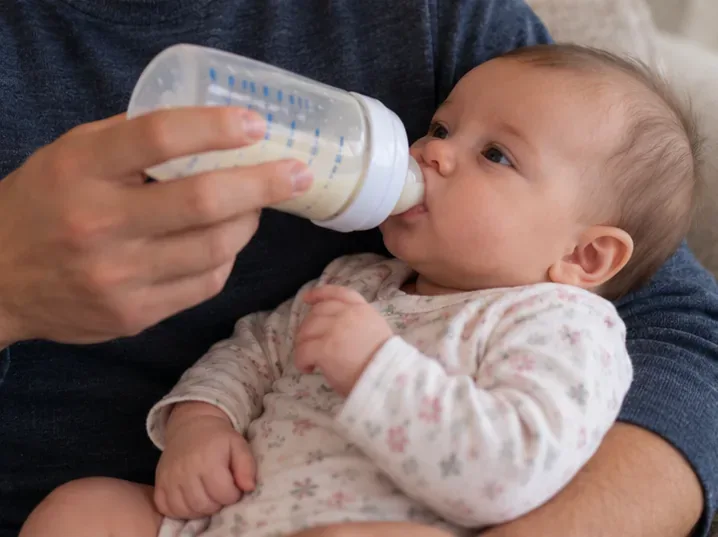
To train your baby not to have anorexia, to have healthy eating habits and maintain a reasonable diet, mothers will need a lot of patience!
4 tips to "conquer" anorexia children
1. Understand the baby's taste: Some children anorexia simply because they do not like the shape, color, or taste of certain foods. That is why your baby may yell at him not to like a certain item even if he or she has not tried it once. Likewise, some babies may refuse a food because it reminds them of a time when the baby was sick or a negative memory of the dish.
2. Find ways to add nutrients to the foods your baby likes: Add some cereal flour or minced chicken to pasta stew, add vegetables like carrots or chopped cabbage to noodles and a few slices of fruit into your baby's favorite cereal.
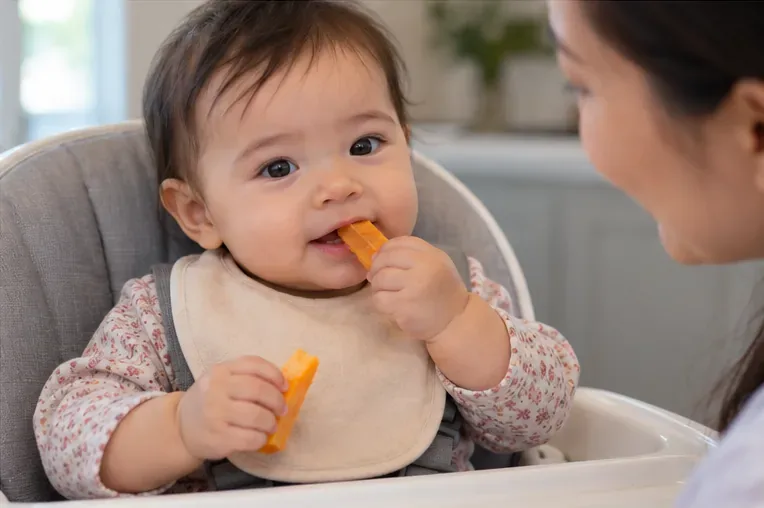
3. Let your baby try a new food in small amounts: Instead of a meal with completely foreign dishes, let your baby try familiar foods and add a few new ones. However, there should always be at least one food you know your baby likes with each meal.
4. Try to let your baby try new foods when you know they are hungry: Give your baby fruit solids when the baby is eating.
How can anorexic child try a variety of foods?
Your baby will not naturally like to eat a variety of foods . For you, nutritious baby food is one of the best ways to help your baby learn a healthy diet. This may be true in the long term, but at a young age your baby will only eat the foods he likes and you should let your baby learn to decide this.

Happy atmosphere in meals is an important factor to improve the child's anorexia mother
Babies need to learn to control what they eat. Forcing a baby to eat something he does not like or forcing him or her to overeat may cause him / her to have the following problems:
- Babies are not allowed to decide what food they want to choose, as well as when they are full, is a risk. Being tall makes the baby obese later.
- Forcing your baby to try new foods only makes him more stubborn and less open-minded when trying new things in the future.
If your baby does not seem to like to eat anything but rice and fried eggs, do not worry, you should start to notice what your baby eats and you may find that your baby eats many different food groups and absorbs what they eat. essential nutrients. One study found that children, even when their parents think they are anorexic, often consume a variety of foods. If you are still concerned, talk to your doctor about whether to take a multivitamin for your baby every day.
Also don't worry if your baby doesn't seem to be growing fast enough, children don't always grow steadily, and there are times when they don't seem to grow at all. At this stage, your baby will not grow as fast as it did in the first year of life.
If you are afraid that your child will lose weight from anorexia, you can consult your doctor, but do not express your concerns to your baby. If you constantly threaten your baby at mealtime, or deliberately soothe, pamper and calculate each food with your baby, your baby will surely be more reluctant to eat.