How Two Caregivers Can Follow the Same Baby Sleep Routine

Help two caregivers share a calm, flexible baby sleep routine with a clear handoff, age-aware steps, and the same safe-sleep finish.
What to bathe a newborn who shed hair quickly but does not affect the baby's health or natural development is a question of many mothers after birth.
content
How to remove hairs in babies according to modern medicine
4 ways to depilate undercoat in infants
Hair loss in babies with folk tips
Bathe the infant with a bean leaf
Betel leaves water bath for babies
Bathing the baby with a palm leaf
Use squid plants to bathe babies
After birth , most newborns have a lot of downy hair, which is commonly known as fluff, bruises or feathers. This type of hair can sometimes be uncomfortable, but not dangerous to your health. However, many mothers still wonder what leaves to bathe babies to lose their hair quickly because indeed, the hair grows thick, it does not "like the eyes" at all.
Normally, about 1 year old, downy hair will fall off on its own. Sometimes there are babies that last up to about 2-3 years old. If you want to chase away this hair well, the safe method is passed on to bathe your baby with incense. What is important to bathe for babies to lose hair?
If the baby has little hair growth, just wait for the hair to fall off on its own. While waiting, you can bathe your baby a few times a week with clean water. Be careful not to apply any medicine because if used incorrectly can cause baby's skin damage or infection.
In case the mother is concerned that the water is not clean enough, you can use a baby shower gel. Even if you want to wax your baby, do not use the type with strong bleaching properties because it can dry or irritate your baby's skin.

Using powdered milk or olive oil to bathe your baby will help speed hair loss
Here are 4 ways to depilate babies that many parents have successfully applied:
Olive oil masage then bathe with water as usual: This is a simple way but makes the baby quite excited. Masage for children, which has been encouraged by experts for many benefits, now adds a hair removal effect.
Bathing with turmeric mixed milk or powdered milk: Bathing 2-3 times a week can improve the condition of growing hair in the back
Flour bath: This method requires mother's ingenuity, to avoid hurting the baby when direct contact with flour and feathers.
Bath with lentil powder, almonds mixed with milk. Similar to a bath with powdered milk.
These are said to help accelerate the hair loss process, not effectively treating all hair immediately. Mom should also note, when bathing the baby, avoid rubbing too hard, the baby's skin will be easily scratched, swollen and red.

4 criteria for choosing baby shower gel Choosing to buy baby shower gel is similar to choosing friends for baby's skin. How to choose the most user-friendly and safest product? What criteria do you need to prioritize?
If mothers do not know how to bathe the depilatory babies above but want to apply with folk methods, they can also bathe ebs at nahf with different types of commonly used bath leaves.
The leaves to bathe babies with lots of groin have long been passed down in folklore. Although it has not been scientifically proven and there are many potential risks if the mother applies the wrong way, it is still considered the fastest effect.
Experiences of the instrument passed down, bathing the bean leaves safely and helping the newborn lose hair.
How to bath: Wash the bean leaves. Boil the bean leaves with water, add a little salt, then crush the leaves and add warm water and bathe your baby. When your baby has finished bathing with pea leaf water, shower with normal warm water.
Betel leaves are not easy to buy and are also safe for babies! It is also an effective bath method to help babies lose hair.
How to bathe: Crush betel leaves and small areca fruit. Dilute with warm water and use a washcloth to gently wipe the area with many hairs. Wipe gently to avoid scratching baby's skin. Then bathe with warm water and fresh lemon for baby to deodorize betel leaves.
Using the leaves when bathing newborn babies will feel comfortable, do not itch and sleep better.
How to bath: The hemp leaves wash away dirt, crumpled, then cook with water to boil and mix with warm water to bathe your baby. You bathe your baby about 3 times, the hairs will fall off.
Ink grass leaves also known as pot grass. Although this is a wild species, growing everywhere such as roadside, canal banks, field banks, pond banks, in the garden can help babies lose their feathers.
How to bathe: Take 1 handful of squid leaves, wash, crush and cook, then mix with warm water to bathe your baby. Take a shower with warm water.

Choosing a shower gel or using tips for bathing a newborn baby The first days of picking up your baby are also the times when mothers need advice on basic skills to care for the baby most. From breastfeeding to bathing, cleaning, changing diapers ... it's all new to mom. Just choosing a shower gel or using folk herbs for a newborn baby is enough to make the mother ...
Help two caregivers share a calm, flexible baby sleep routine with a clear handoff, age-aware steps, and the same safe-sleep finish.
Face or ear rubbing can accompany tiredness, but it is not a diagnosis. Learn common explanations, what to watch for, and when to call the pediatrician.
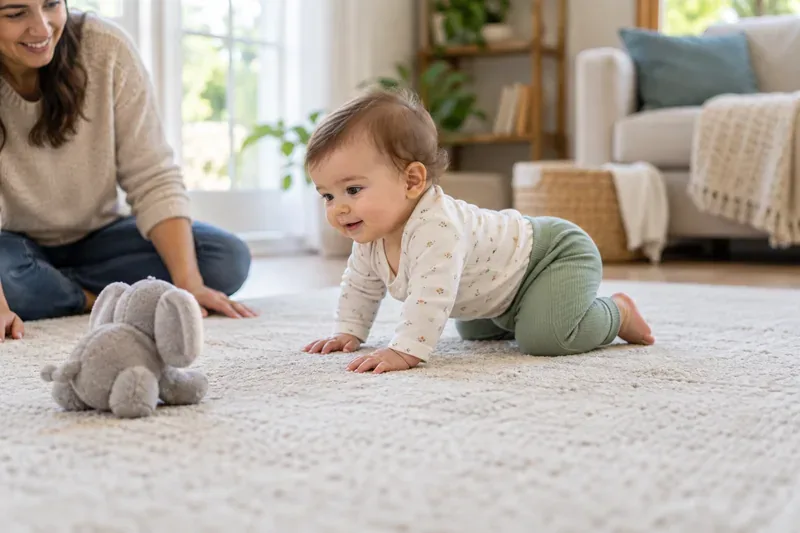
Babies may scoot backward as they learn to coordinate their arms and legs. Learn what is common, how to encourage safe floor play, and when to ask a pediatrician.
Recurring diaper rash may be linked to ongoing irritation, diarrhea, yeast, product sensitivity, or another skin condition. Learn what to track and when to call the pediatrician.
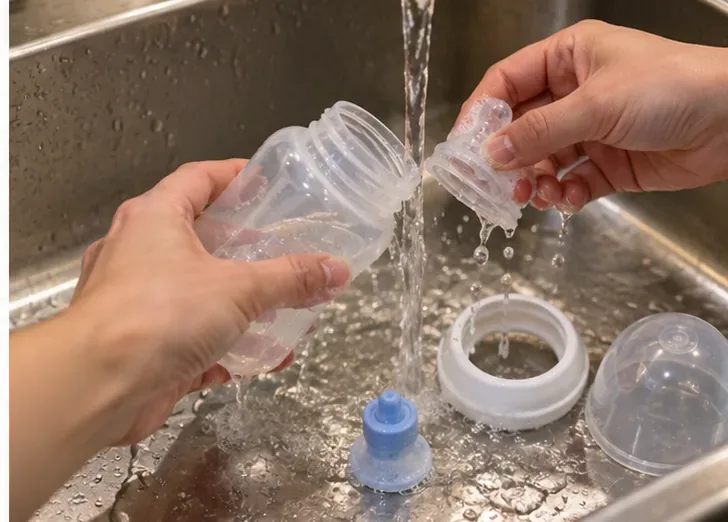
Learn a safe, practical way to hand-wash bottles and feeding equipment while traveling, including rinsing, air-drying, sanitizing, and safe-water tips.
Learn how to track a baby’s wet diapers, feeds, urine changes, and warning signs—and when a drop in output needs prompt medical advice.
Keep your baby comfortable in a simple Halloween costume, take a few quick photos, and follow practical guidance for warmth, car seats, and safe sleep.
Discover the key signs of newborn fast breathing, learn how to identify pneumonia risks, and explore effective solutions for infant respiratory health. Stay informed about your baby
Discover the best cooking oils for 6-month-old babies to ensure proper nutrition and development. Learn why fats are essential, how to use them, and which oils are most beneficial for your baby’s health.
Discover essential baby development milestones from 3 to 6 months old. Learn how to support your baby’s growth with expert tips and activities for better bonding and development.