How to Introduce a Bottle When a Breastfed Baby Refuses It
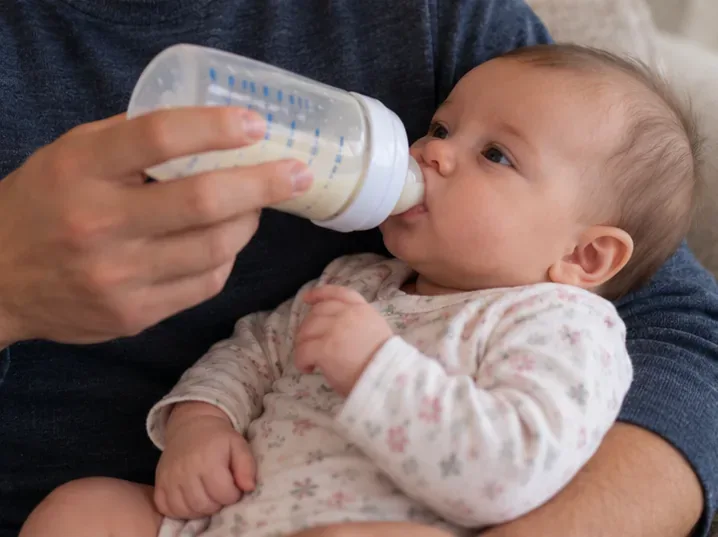
A practical guide to bottle refusal in breastfed babies: compare timing, caregiver, nipple flow, milk temperature, paced feeding, and when to get help.
If you think that the 2-year-old at home doesn't understand what you are saying, you are probably wrong! 2-year-olds already know what is allowed and what is not allowed based on their parents' attitudes, voices, gestures, eyes ... Based on the advice of psychologists in the US, MarryBaby will share with you 6 tips to teach your children obedience when your baby is 2 years old!

Scolding is not always good, okay!
1 / Seriously better than scolding
When scared, babies tend to be stubborn and more stubborn. So, instead of getting angry and yelling at your child, seriously talk about the bad things and the consequences of it. Your baby may not be able to understand your expectations. However, not so that you ignore and do not explain to your baby about your wrongdoing. A serious conversation can help your baby understand the importance of things. At the very least, your baby can tell mistakes and admit mistakes.
2 / Make eye contact
Cold eyes are the best weapon when you want your baby to obey . When talking about your baby's mistakes, make eye contact with him. This will help children focus and see the magnitude of the problem. However, you should only look at your child with strict eyes, not anger!
3 / Words go hand in hand with work
When you want to ask your baby what to do, your intonation and word use will have a definite influence on your baby. You should use clear, definitive language. Besides, you also have to use actions that come with your words. For example, if you want your baby to go to bed , instead of just saying no, you should take your baby into the room and turn off the lights. Your baby will understand that it's time to go to bed and nothing can be done to change your mind.
4 / Specific instructions
If you want your baby to clean up after playing, you should give clear and specific instructions. Instead of saying a vague statement like “You should clean up your toys,” you can ask your baby to be clear about specific things. For example, "Put the car in the green box" or "Put the doll in the box", specific and detailed instructions will help your baby know what to do.
5 / Don't ask too much
Although the baby has obeyed and knows to do some things, but anyway, the baby is still very young and you should not give too much expectation that the baby will be like an adult right away. You can't expect your child to voluntarily clean up after playing or know how to put dirty clothes in the basket. If you want your baby to do something, you should remind him.

Parenting mistakes to avoid Did you know that even while sleeping, your baby can hear and feel a parent's quarrel? Research shows that children with family problems such as frequent parents quarreling, lack of love ... will be more prone to depression than other children. There are many mistakes ...
6 / Don't let your baby's tears affect you
Most mothers will find it difficult to control if they see their baby cry. Most people will hug their baby and pamper the baby to stop crying. However, did you know that action will "destroy" all the things you have just taught your child? According to the advice of a psychologist, after teaching your child, you should leave him alone for 5 minutes so that he or she can absorb his "lesson".
>>> See more discussions with related topics:
5 steps to get rid of the habit of scolding your child
Teach your children to apologize when they made mistakes since childhood
A practical guide to bottle refusal in breastfed babies: compare timing, caregiver, nipple flow, milk temperature, paced feeding, and when to get help.
Help two caregivers share a calm, flexible baby sleep routine with a clear handoff, age-aware steps, and the same safe-sleep finish.
Face or ear rubbing can accompany tiredness, but it is not a diagnosis. Learn common explanations, what to watch for, and when to call the pediatrician.
Babies may scoot backward as they learn to coordinate their arms and legs. Learn what is common, how to encourage safe floor play, and when to ask a pediatrician.
Recurring diaper rash may be linked to ongoing irritation, diarrhea, yeast, product sensitivity, or another skin condition. Learn what to track and when to call the pediatrician.
Learn a safe, practical way to hand-wash bottles and feeding equipment while traveling, including rinsing, air-drying, sanitizing, and safe-water tips.
Learn how to track a baby’s wet diapers, feeds, urine changes, and warning signs—and when a drop in output needs prompt medical advice.
Keep your baby comfortable in a simple Halloween costume, take a few quick photos, and follow practical guidance for warmth, car seats, and safe sleep.
Discover the key signs of newborn fast breathing, learn how to identify pneumonia risks, and explore effective solutions for infant respiratory health. Stay informed about your baby
Discover the best cooking oils for 6-month-old babies to ensure proper nutrition and development. Learn why fats are essential, how to use them, and which oils are most beneficial for your baby’s health.