How Two Caregivers Can Follow the Same Baby Sleep Routine

Help two caregivers share a calm, flexible baby sleep routine with a clear handoff, age-aware steps, and the same safe-sleep finish.
Why do babies often hiccup? Hiccups are a natural phenomenon and babies know hiccups from still in the womb, in the second trimester of pregnancy.
content
When does the hiccup become dangerous?
After birth , as long as the baby has a light hiccup or suddenly cough, according to natural reflex the mother immediately worries and is related to some related diseases. Don't be in a hurry because cool hiccups are a common phenomenon. What you need to do is find out the right reasons why babies often hiccup to find out how to solve it!
Hiccups are a spasm of the diaphragm, which is a dome-shaped muscle separating the abdomen from the chest, which is located below the lungs and is involved in breathing function. When these muscles contract, it closes the vocal cords, thus producing a sound. Along with that, the diaphragm contracts when laughing because more air than usual enters the lungs, presses down on the diaphragm and stimulates hiccups. That is the reason why babies often hiccup.

Hiccups are a normal phenomenon in babies, mothers don't need to worry too much
This phenomenon occurs in older children and adults because laughing too hard and increases the amount of air entering the lungs at the same time. As for young children, due to the incomplete coordination of muscles, when smiling, there is also a higher amount of air than usual down the lungs and the stomach presses the diaphragm, causing hiccups. This phenomenon will gradually improve as the child gets older, so no intervention is needed.
With the following folk tips, mothers can apply every time a child has hiccups:
1. Tip with ear: Use two fingers pointing and sealing into the child's ears for about 30 seconds and then dropped out. Note when done gently to avoid the mother's nails damaging the ear area of the child.
2. Tip with the nose wings: Use the thumb and index finger to squeeze the child's nose wings parallel to that is to close the child's mouth for about 2-3 seconds, then spend 2-3 seconds, repeat 15 20 times. This will make the excess air in the child's esophagus dissipate and the hiccups go away.
3. Wipe the child's lips or ears about 60 times: If the baby is scratching, it will make the nerves of the esophagus dilate and the hiccup will heal faster. It is simpler to hiccup like a mother to let the baby sit up and then gently pat, decisive and rhythmic movements on the back to make the baby burp out of excess breath.
4. Breastfeeding : Also, if the baby is less than 6 months old, the mother can cure hiccups by breastfeeding. As for children who are old enough to wean, mothers should replace milk with water and let the baby drink slowly about 100ml. When bringing the sweetness into the body it will "deceive" the esophageal nervous system, making the hiccups disappear.
5. Use honey : Take a baby's small milk towel or tongue tool, then wrap it with your index finger, dab a little honey and put it in the baby's mouth. This method is only applicable to children over 1 year old, because when children under 1 year old the digestive system is still weak. When using honey, it is very easy to get poisoned by a Clostridium botulinum infection that is present in pollen.
6. Using anise seeds : Folk passed down about the effects of anise seeds. Mom used a bowl of boiling water and put some anise seeds in it. Wait 15 minutes for it to cool and bring it to your baby to drink. This also only works for older children!

Give children honey: danger is imminent! Not only has natural antiseptic and antibacterial properties, honey also contains a variety of healthy vitamins and minerals. Therefore, when preparing food and drinks for babies, many mothers add honey as an additive to enhance nutrition for their baby without knowing that they are causing harm ...
Frequent hiccups can also be an indicator of respiratory disorders or esophageal reflux disease or abdominal pain. However, a few cases of hiccups are caused by medical problems and often have other signs, such as vomiting or choking. So, if the phenomenon of hiccups in children occurs more frequently or in the case of children with hiccups continuously for 3 hours, you should see the doctor and find the cause for prompt intervention.
The reasons why babies often hiccup, mothers should pay attention to avoid hiccups in baby's feeding or feeding meals. Because it will affect the quality of the milk and food of the baby, not to mention such hiccups make the milk and food can vomit all out making the baby uncomfortable or fussy.
Help two caregivers share a calm, flexible baby sleep routine with a clear handoff, age-aware steps, and the same safe-sleep finish.
Face or ear rubbing can accompany tiredness, but it is not a diagnosis. Learn common explanations, what to watch for, and when to call the pediatrician.
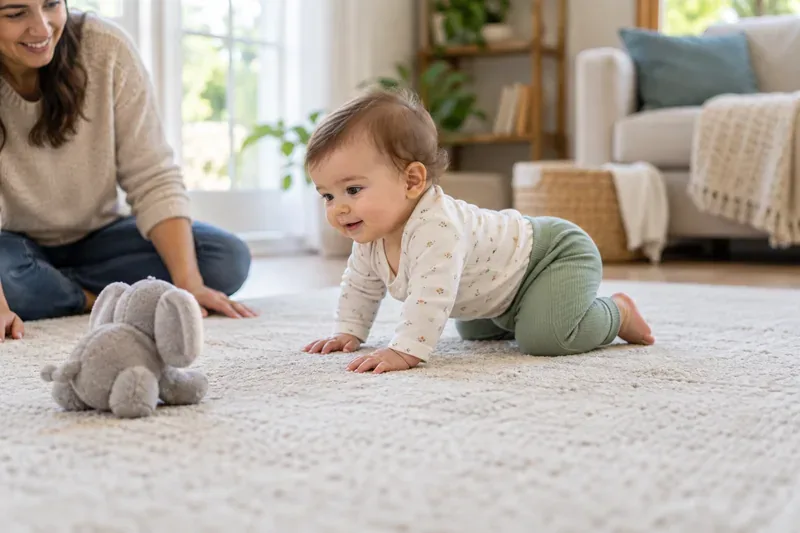
Babies may scoot backward as they learn to coordinate their arms and legs. Learn what is common, how to encourage safe floor play, and when to ask a pediatrician.
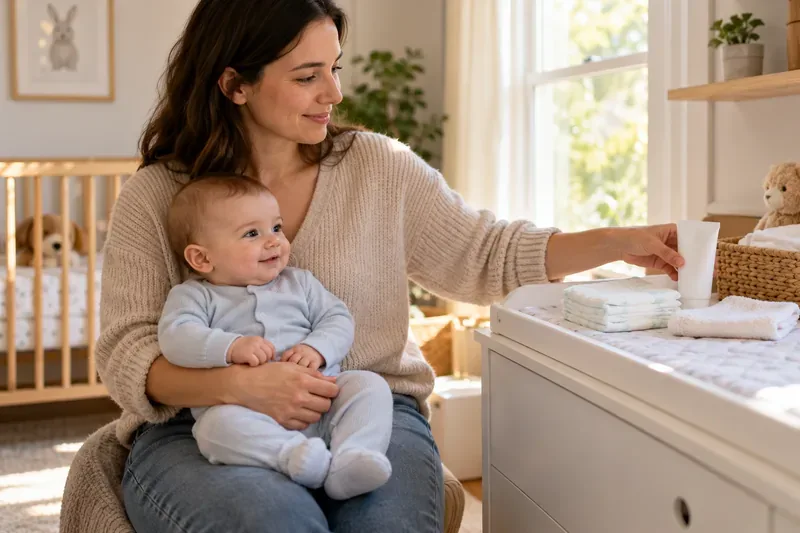
Recurring diaper rash may be linked to ongoing irritation, diarrhea, yeast, product sensitivity, or another skin condition. Learn what to track and when to call the pediatrician.
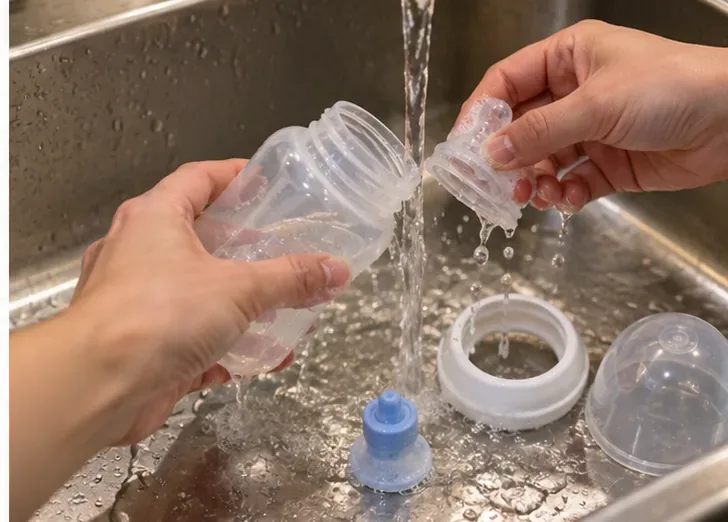
Learn a safe, practical way to hand-wash bottles and feeding equipment while traveling, including rinsing, air-drying, sanitizing, and safe-water tips.
Learn how to track a baby’s wet diapers, feeds, urine changes, and warning signs—and when a drop in output needs prompt medical advice.
Keep your baby comfortable in a simple Halloween costume, take a few quick photos, and follow practical guidance for warmth, car seats, and safe sleep.
Discover the key signs of newborn fast breathing, learn how to identify pneumonia risks, and explore effective solutions for infant respiratory health. Stay informed about your baby
Discover the best cooking oils for 6-month-old babies to ensure proper nutrition and development. Learn why fats are essential, how to use them, and which oils are most beneficial for your baby’s health.
Discover essential baby development milestones from 3 to 6 months old. Learn how to support your baby’s growth with expert tips and activities for better bonding and development.