As recommended by experts, children under 12 months old should not eat fruits related to oranges. What's more? How many months of age can the child eat fruit and do you know how to choose appropriate fruit for your child's age?
content
How many months children can eat fruit?
How to feed the baby fruit is good?
In the baby's diet , especially for children from 0-3 years old, fruit plays an important role, helping babies develop their taste buds with many different flavors and supplement a vitamin amount. good for health.
But did you know that children of different stages can only try certain fruits? Children 5 months, 6 months or 7, 8, 9 months can eat fruit? Mom, together with MarryBaby, choose the right fruit according to your age, mom!
How many months children can eat fruit?
Children aged 4-6 months have begun to eat solids, so in addition to milk, mothers can feed them pureed fruit or drink fruit juice. If you choose juice, you can let your baby try many different flavors, but remember to dilute it before giving it to your baby.
With fruits, because the child's digestive system is still quite weak at this stage, mothers should only feed the baby easily digestible fruits such as bananas, apples, pears, avocados, peaches.

Stage practice weaning, mothers should puree all kinds of fruit before feeding the baby
As the baby is a little older, the mother can begin to offer her baby to try more different fruits. However, to limit the risk of children with allergies , each time you give your baby a try new fruit, the mother should feed the baby little by little and monitor the child's reaction for the next 3-4 days.
As recommended by experts, oranges, lemons, tangerines, grapes, strawberries are foods with a high risk of allergies. Therefore, mothers should only add them to the nutritional menu for babies from 12 months old. Pineapple, mango, and kiwi are best only on the menu of children 2 years of age and older.
![How to feed the baby to eat fruit right?]()
5 kinds of fruit good for baby's digestive system A healthy gut will help a lot for your baby's health. Therefore, choosing which foods to support digestion is very essential. The following fruits are great choices for babies
How to feed the baby fruit is good?
With 5 notes as below, mom will know when to feed the baby to eat fruit at any time, how much is enough & is good for your baby's health:
From 6 months old, babies can eat about 60g of crushed fruit per day. At 1 year old, this serving can be increased, on average about 100 g of fruit per day. From 2-6 years old, your baby can eat about 200-300g of fruit per day.
When choosing fruit for your baby, you should pay attention to your child's health. Babies with weak stomach problems should not eat too much watermelon and bananas. Children who are suffering from a cold should eat a lot of oranges ...
The best time to feed your baby fruit is in the afternoon, after waking up or between two main meals. Baby should eat fruit 1 hour before meals or 2 hours after eating.
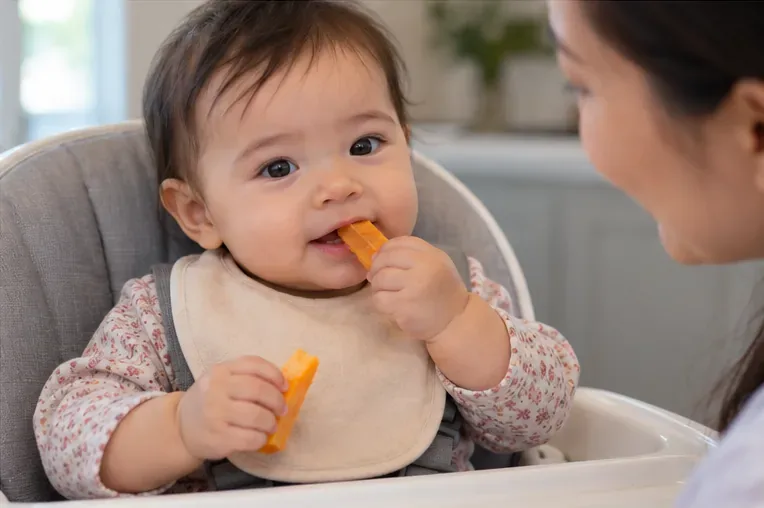
After the baby teething , the mother should feed the baby the fruit cut into pieces to help the baby practice chewing and swallowing. However, to avoid choking on the baby, the mother should not cut the fruit in too large pieces.
Although they are similar in salt to minerals and vitamins as green vegetables, fruits cannot completely replace green vegetables. Therefore, in parallel with giving children fruit, mothers still have to maintain the amount of vegetables in the diet for babies every day.
The mother knows how many months the baby can eat fruit and the mother can safely add fruit to the weaning menu every time she researches the daily diets for babies with the above sharing. by MarryBaby.
![How to feed the baby to eat fruit right?]()
How to practice for children to eat fruit? Fruit is an indispensable part of a nutritious baby meal. In fruit, there are many vitamins and minerals, and there are even many substances that you cannot find in other foods. In particular, the fruit is also very easy to eat, easy to match with your baby's taste. But if you ...