How Two Caregivers Can Follow the Same Baby Sleep Routine
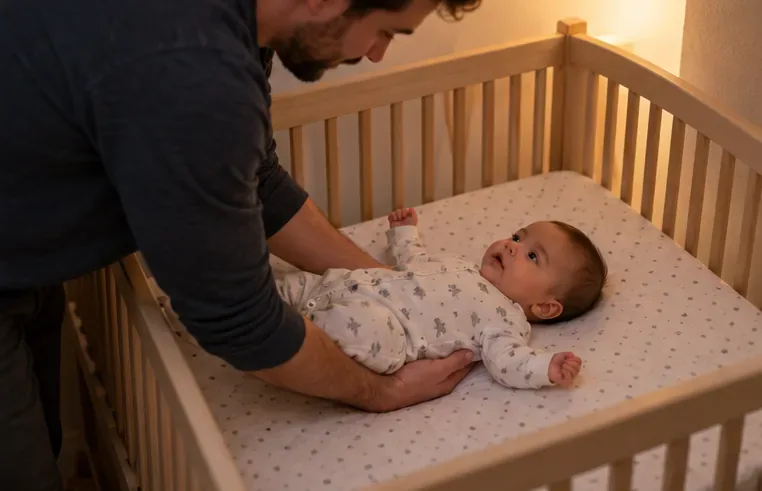
Help two caregivers share a calm, flexible baby sleep routine with a clear handoff, age-aware steps, and the same safe-sleep finish.
When parents and children interact with each other at home and with people outside the home, there are many situations that can teach children lessons about responsibility, empathy, kindness, and charity.
11. Discuss holidays and their meanings.
Organize family anniversaries and establish family traditions. Promoting family traditions on holidays not only develops a sense of attachment and kinship with other members, but also acts as a special glue that holds people together like children. people, as family members, and as citizens of the country.
12. Make use of the times when it is possible to "teach".
Using situations can spark family discussions about important issues. Some of the most effective personality education problems can continue in the family every day. When parents and children interact with each other at home and with people outside the home, there are many situations that can teach children lessons about responsibility, empathy, kindness, and charity.
13. Assign housework responsibilities to all family members.
While it may be easier to clean the table, empty the trash, arrange the dishes, or wash the dishes when it is easier for adults to do it themselves rather than wait for them to do it, we have an obligation to help children learn how to balance needs and wants. I want to be towards other members of my family and, more broadly, to other members of society.
14. Set clear expectations and hold children accountable for their actions.
Identifying reasonable limits and enforcing them appropriately helps to create the image of parents as the "leader" of morality in the family, and at the same time gives children a sense of security . It also helps children to understand that you care very much for them, want them to become people with good personality in society.
15. Make your child “busy” with positive activities.

Child development direction from a young age
Youth is full of energy, and the challenge for you is how to convert that energy into positive activities such as sports, hobbies, music and other artistic activities or volunteer groups. green summer. These activities promote altruism, attention, cooperation and also give children a sense of achievement.
16. Learn to say "no" firmly.
It is also common for children, especially in their teens to challenge the limits of their parents' authority. But even if children object, the act of loving their children most is that parents must always be firm and prevent their children from participating in activities that are potentially dangerous and hurting them.
17. Know where your child is, what to do and with whom.
Adults not only communicate in a myriad of ways to show concern for children and want the best for them, but also need to take serious responsibility for establishing rules for inspection, escort, and supervision. close. Parents are at risk of being considered “outdated” if they do not actively meet with their child's friends and their parents.
18. Failure to cover up or justify inappropriate behavior of the child.
Protecting children and adolescents from the consequences of their wrongdoings will not teach them self-responsibility. It also destroys social practices and the law, leading children to think that they might be exempt from legal status in one way or another by influencing the behavior of others.
19. Know the TV programs and movies your child is watching.
Despite some good materials, the rapid growth of debauchery and hateful information is easily within reach. By using specific words and examples, teach your children the habit of watching movies in a responsible way. If you find that your child has viewed bad content, frankly share your feelings and discuss with them why those cultural products harm their family values.
20. Don't forget you are an adult.
Children do not need to add a "friend" but very much need a parent who cares much about the child, setting up and enforcing restrictive rules for the child's behavior. Sometimes responses like "my father won't allow" give the child a good reason to quit an activity the child doesn't want to participate in.
Help two caregivers share a calm, flexible baby sleep routine with a clear handoff, age-aware steps, and the same safe-sleep finish.
Face or ear rubbing can accompany tiredness, but it is not a diagnosis. Learn common explanations, what to watch for, and when to call the pediatrician.
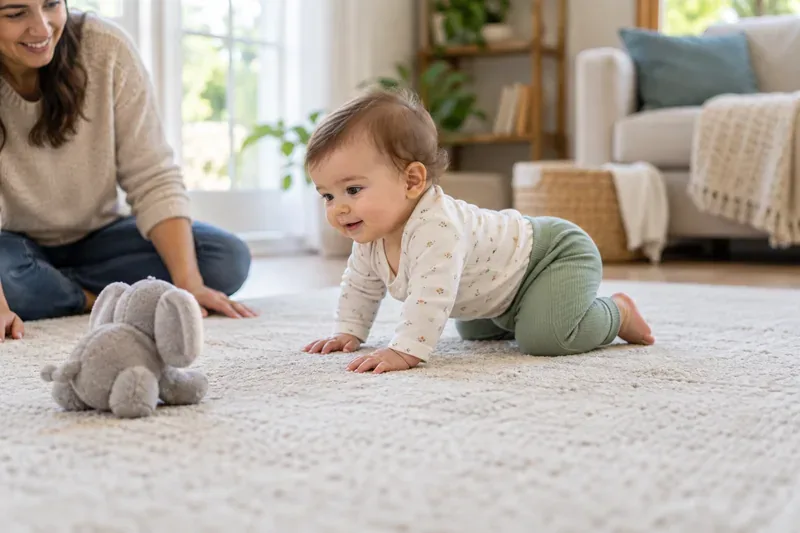
Babies may scoot backward as they learn to coordinate their arms and legs. Learn what is common, how to encourage safe floor play, and when to ask a pediatrician.
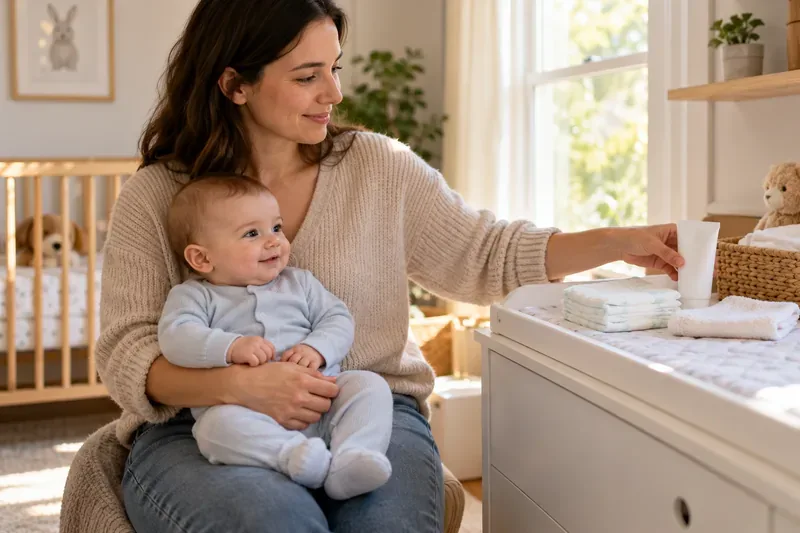
Recurring diaper rash may be linked to ongoing irritation, diarrhea, yeast, product sensitivity, or another skin condition. Learn what to track and when to call the pediatrician.
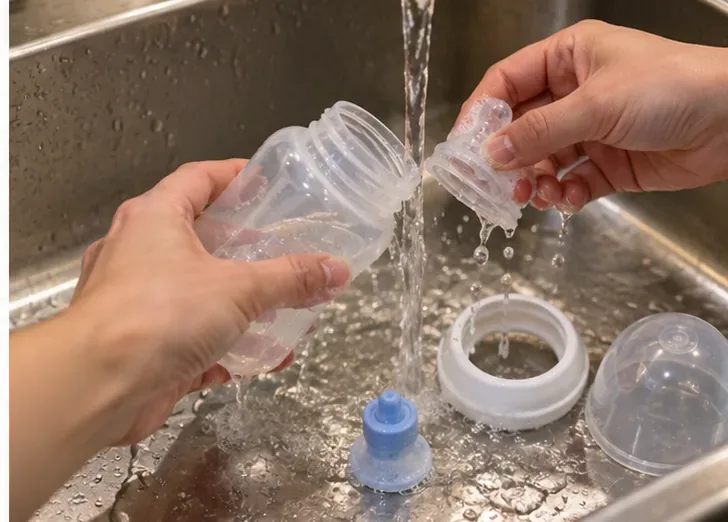
Learn a safe, practical way to hand-wash bottles and feeding equipment while traveling, including rinsing, air-drying, sanitizing, and safe-water tips.
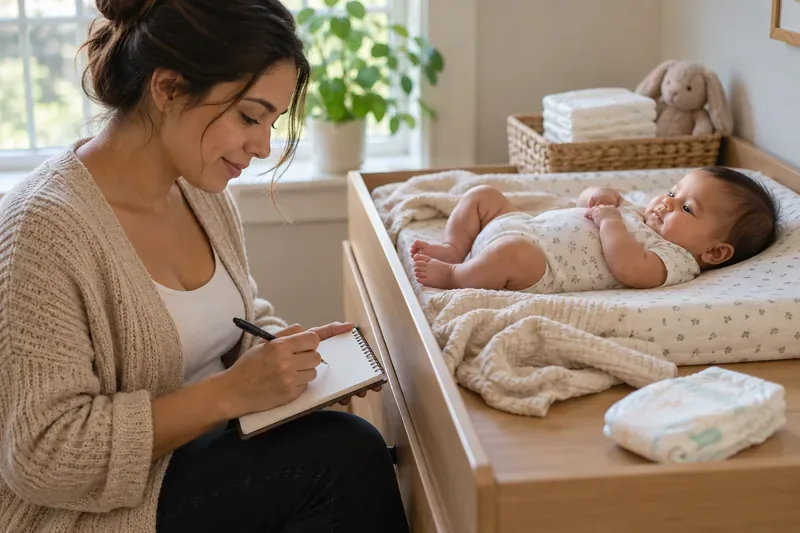
Learn how to track a baby’s wet diapers, feeds, urine changes, and warning signs—and when a drop in output needs prompt medical advice.
Keep your baby comfortable in a simple Halloween costume, take a few quick photos, and follow practical guidance for warmth, car seats, and safe sleep.
Discover the key signs of newborn fast breathing, learn how to identify pneumonia risks, and explore effective solutions for infant respiratory health. Stay informed about your baby
Discover the best cooking oils for 6-month-old babies to ensure proper nutrition and development. Learn why fats are essential, how to use them, and which oils are most beneficial for your baby’s health.
Discover essential baby development milestones from 3 to 6 months old. Learn how to support your baby’s growth with expert tips and activities for better bonding and development.