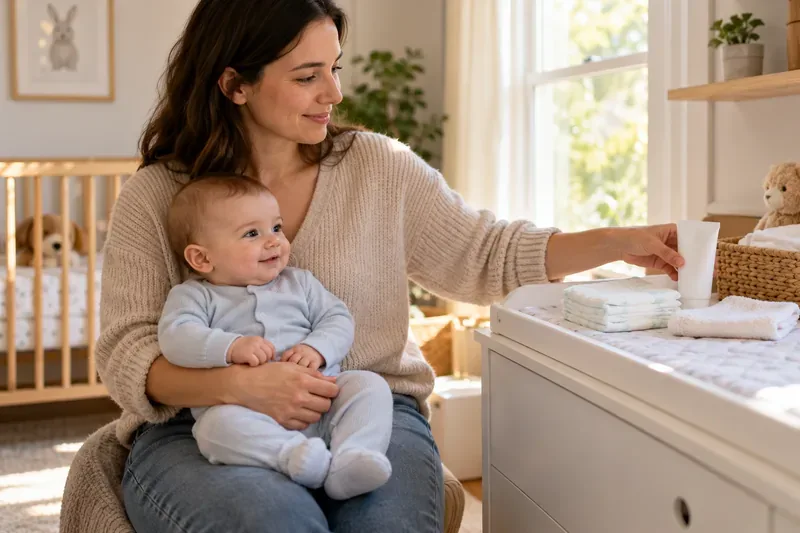
How Two Caregivers Can Follow the Same Baby Sleep Routine
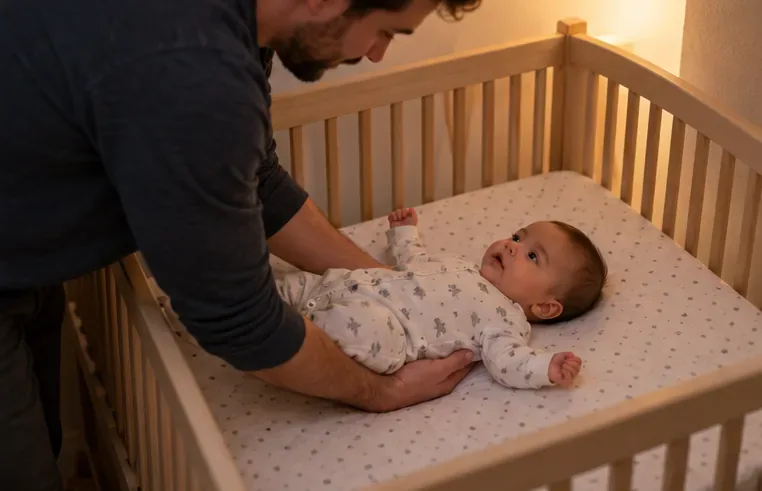
Help two caregivers share a calm, flexible baby sleep routine with a clear handoff, age-aware steps, and the same safe-sleep finish.
For families with only one father or mother left, this control and shaping will become more difficult. That leads to an imbalance in the psychological development of the children.
Feeling lost, abandoned
When a parent divorces, a child is forced to live with one of the two. Regardless of age, children will experience a sense of loss and a lack of spiritual care. Worse, the baby may feel outcast if the other parent doesn't visit and ask questions often. The previous games or habits with a parent will be gone, and instead will be a feeling of emptiness and inadequacy in the child's young soul.
Temperament, Aggression
It is not coincidental that the psycho-physiological development of any child requires the occasional erectile education of the parents (each plays a strict and coaxing role. spend certain). For families with only one father or mother left, this control and shaping will become more difficult. That leads to an imbalance in the psychological development of the children. The visible consequence is that some children become aggressive, aggressive while others may be timid and have low self-esteem before life.
Impact on education
For many families, the divorce event can involve the child in relocating or studying. If the lucky child does not have to change schools and get to know new teachers and friends again, unintentional teasing from peers about the "lack of a father" or "absence of a mother" may scare the child into school. In addition, the interrupted subjects that may be consulted from parents as before make the learning situation of the child even more serious. According to statistics of the National Survey of Children for children in divorced families, an average of 15% of children are bullied at school; 13% of children will drop out of school in the middle and up to 60% of children will do worse than their parents' learning ability.
Rate of broken marriages increases
When parents have no other solution but divorce, surely no one wants their children to follow this "broken car track". However, according to the research results of the Family & Consumers Specialist at the University of Utah (USA), couples in which the parents-in-law or the parents-in-law have previously been divorced are likely to The use of repeat divorce is very high, up to 2 times. This rate will increase to 3 times if both husband and wife are children of previously divorced families.

Before a parent's divorce, children will suffer a great emotional impact
What should I do with my child?
Before the decisions of adults, children also suffer certain mental losses. To minimize this damage to your baby, you should:
Straightforward but gentle let children know about the separation of parents.
Ask for who your child wants to live with and fully respect that decision.
People who do not directly raise children should regularly visit and provide adequate support.
Avoid any variation in daily activities. Let everything go as if nothing happened. Gradually, the child will get used to that atmosphere.
Pay more attention to your child's social relationships at school and playgrounds to get timely intervention before actions / words that hurt their children related to the parent's divorce.
Marriage is one of the most important problems in a person's life. In which, children are one of the most important things in the whole life of parents. With the above information, MarryBaby hopes you will be more cautious and considerate when the words "divorce" come up in your mind!
Help two caregivers share a calm, flexible baby sleep routine with a clear handoff, age-aware steps, and the same safe-sleep finish.
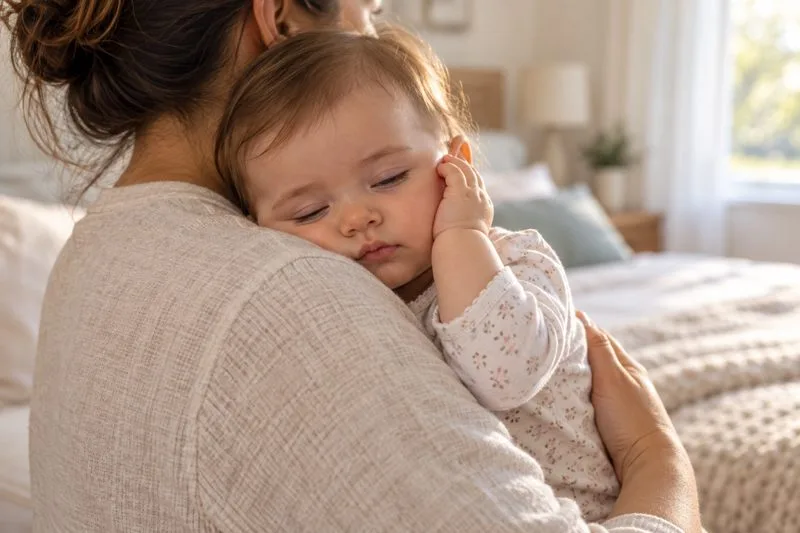
Face or ear rubbing can accompany tiredness, but it is not a diagnosis. Learn common explanations, what to watch for, and when to call the pediatrician.
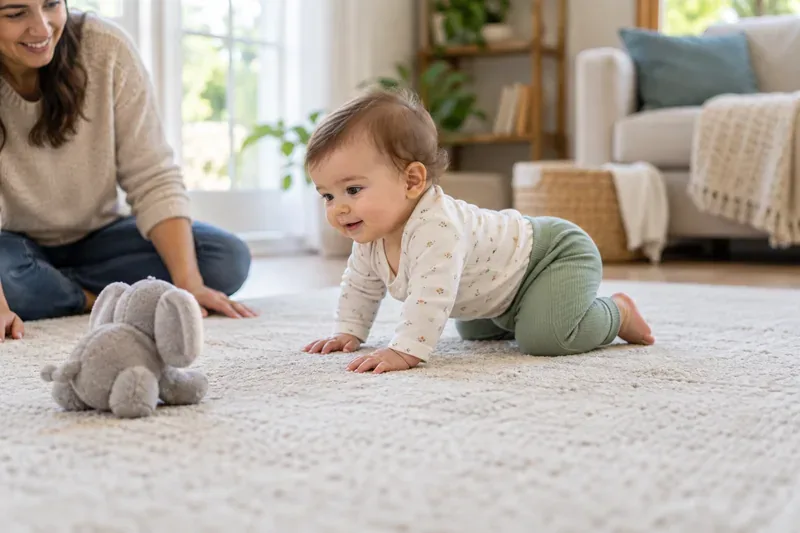
Babies may scoot backward as they learn to coordinate their arms and legs. Learn what is common, how to encourage safe floor play, and when to ask a pediatrician.
Recurring diaper rash may be linked to ongoing irritation, diarrhea, yeast, product sensitivity, or another skin condition. Learn what to track and when to call the pediatrician.
Learn a safe, practical way to hand-wash bottles and feeding equipment while traveling, including rinsing, air-drying, sanitizing, and safe-water tips.
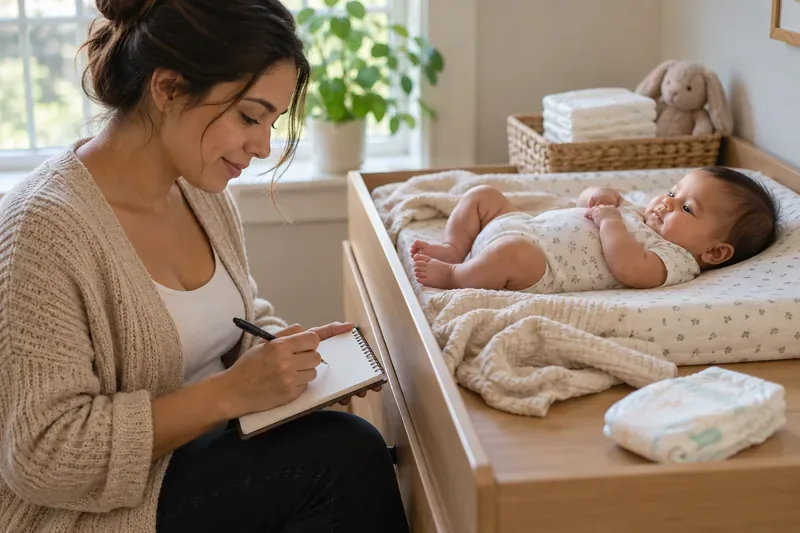
Learn how to track a baby’s wet diapers, feeds, urine changes, and warning signs—and when a drop in output needs prompt medical advice.
Keep your baby comfortable in a simple Halloween costume, take a few quick photos, and follow practical guidance for warmth, car seats, and safe sleep.
Discover the key signs of newborn fast breathing, learn how to identify pneumonia risks, and explore effective solutions for infant respiratory health. Stay informed about your baby
Discover the best cooking oils for 6-month-old babies to ensure proper nutrition and development. Learn why fats are essential, how to use them, and which oils are most beneficial for your baby’s health.
Discover essential baby development milestones from 3 to 6 months old. Learn how to support your baby’s growth with expert tips and activities for better bonding and development.