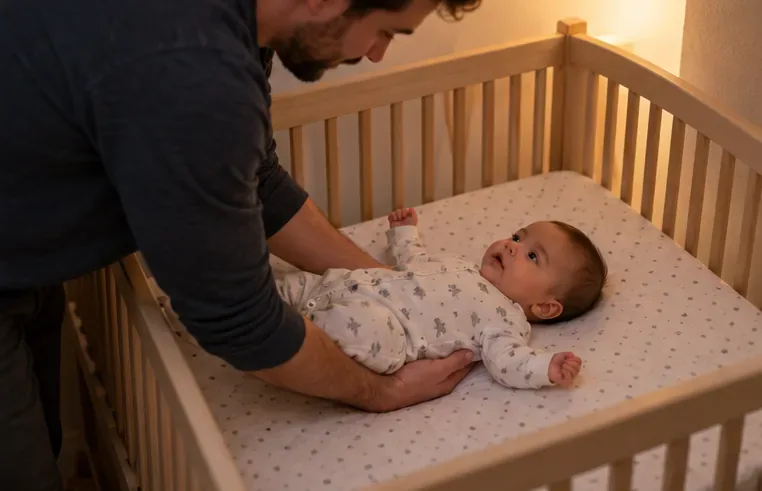
How to teach 2-year-olds is not difficult but not easy either. Because at the time of psychological crisis like 2 or 3, just a little dexterity of parents can "push" the baby to the end of the emotion.
content
"I love you"
"You are wonderful"
"Friends always love you"
"I did my best"
"Thanks for your help"
"Surprisingly"
"I'm sorry"
"Please help me…"
"Try to choose it!"
"I can do it"
At your growing age, any sulkiness should have a reasonable solution. Not that the parents put their children where they sit or let them be too free to do whatever they want, whether it's wrong or right. Going in the direction of "in the middle" means skillfully based on the child's xinxing to provide a difficult but necessary way to teach 2-year-old children through understanding.
Here are 10 extremely simple statements that parents can refer to depending on the applicable situation to share their feelings with their children, helping children grow in discipline and still feel their parents' boundless love.
"I love you"
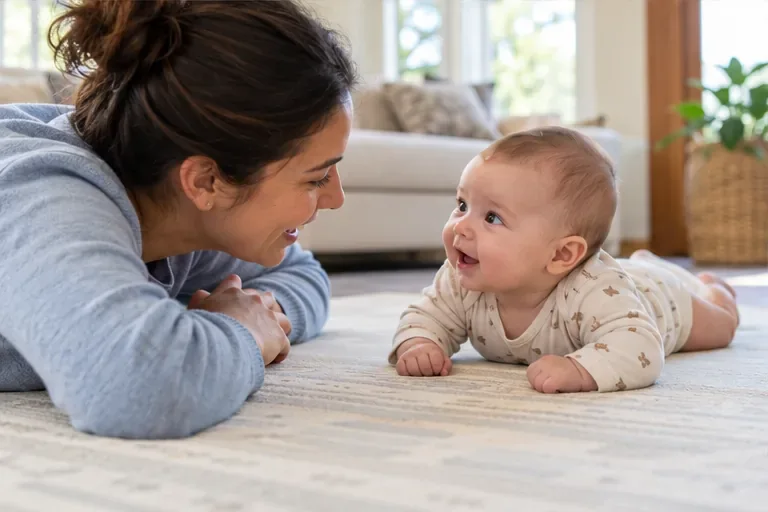
The 2-year-old child has clearly felt the bond of the family's connection. Babies are always excited and safe when they are cuddled and whispered by their mothers, "I love you". This familiar saying, a mother can apply when the baby is very obedient or when the child wants to rebel when asked to pack up toys ...
Surely if every day parents say to the baby this sentence, the child's feelings will thrive because they sense how important the baby is to their parents.

Saying to love you is always easy for mom so just say it when you want!
"You are wonderful"
Of course, not 100% of every day of the year will say this. But experts also share that nothing makes a 2-year-old baby feel more in love with himself than when a child is praised by his mother, "You're wonderful."
Don't forget to repeat all the good things too young from after birth to the present. For example, the comfortable personality, easy to eat and sleep, the ability to grasp early or the toddler first compared to the same age in the neighborhood. The teacher also gave praise when she was the one who completed the fastest jigsaw puzzle in class….
"Friends always love you"
Babies always want to stand out and be noticed by their peers when they play together. If that is not maintained, the child's confidence will fluctuate over time. Hence, encouraging children that “friends always love them” is essential.
"I did my best"
At the age of 2, a child's psychology always wants to achieve everything he or she is aiming for, but success does not always come in their own way.
The praise for the child's hard work helps them to understand that even though they are not successful, they should still be proud of themselves for doing their best.
"Thanks for your help"
The truth is that your child will not feel better because hundreds of thousands of times you have tried to take care of your baby throughout the years without being taught. It is not too late to start teaching children at this point.
The easiest way is for parents to thank their children for a small act that accidentally helps children. For example, bring the phone from the house to the living room for you. Repeating each day of these thanks is the easiest way to teach 2-year-olds to say thank you. Parents will be surprised because babies learn so quickly!
"Surprisingly"
Your baby's drawing may not be as beautiful as the mother wants it to be, but it is a masterpiece in the baby's way of thinking. Children will always feel that it is a wonderful creation of themselves and want to share this with their parents. It is the mother's enthusiasm that will stimulate the child's creativity in the future.
![10 things to say if you want to teach your child to be a good person]()
Each baby's picture is "excellent according to the way children think
"I'm sorry"
Not just children, parents make mistakes as easily as anyone else. If a child accidentally makes a mistake, the parent needs to explain to the child that apologizing is an honest acknowledgment and the child is not the only one making the mistake. This will help encourage your own honesty.
"Please help me…"
If you want your baby to learn to behave politely in the future, one of the best strategies is to be a good example every day for yourself.
When you need help, saying “please help…” to your two-year-old is the time to teach your child a very important social skill that he will soon start using with his friends.
"Try to choose it!"
2-year-olds are able to give their independent thoughts, even though they are still dependent on their parents to some degree, you need to teach them how to stand on their own feet. Start by giving your baby simple choices, such as whether he or she should wear a blue or red T-shirt today?
"I can do it"
Babies face challenges throughout life and must have the courage to solve all problems with their own experiences. Parents can strengthen their beliefs by encouraging their children that they can do it by doing their best. Family trust enhances a child's confidence, increases a child's willingness to try, and helps push doubts aside.
![10 things to say if you want to teach your child to be a good person]()
Revealing ways to teach good children for mothers to "relax" all day. Struggling every morning to "drag" children out of the house on time, or use enough tricks to "lure" children into bed every night are common problems. Meet of mothers whose children are 3-5 years old. If you are in the same situation, do not miss out on the following ways to teach good children MarryBaby!
The way of teaching 2-year-olds does not have a general formula, for sure because each tree has a personality for each flower. Parents are the ones who understand their children best and will know when to be encouraging and when to be strict. It is important to be confident in your own way of teaching children, mom!