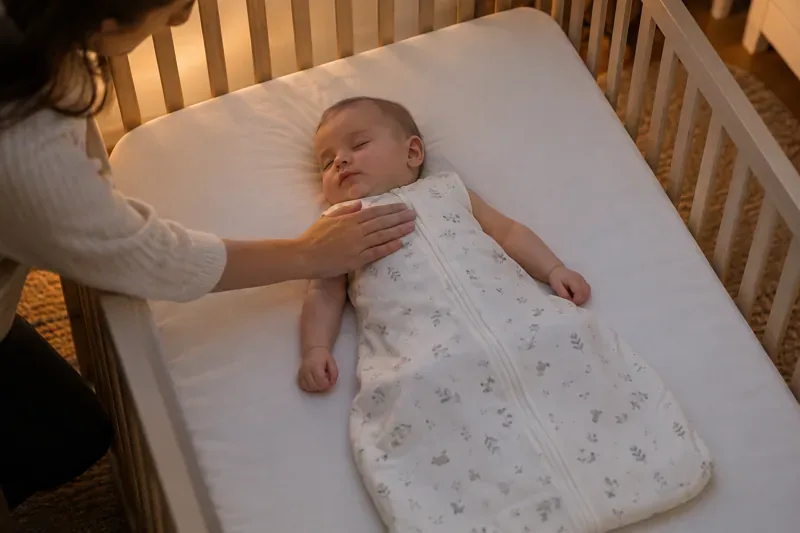
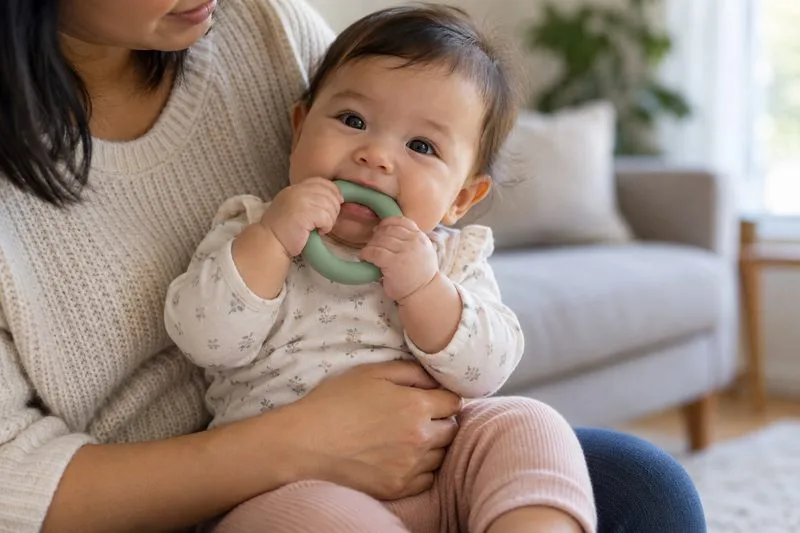
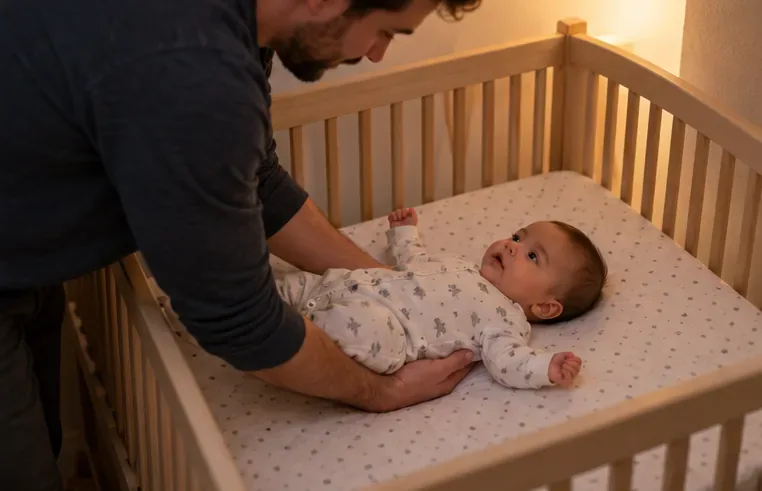
According to experts in psychology and neurology, maternal care, love and care in the early stages of life are very important. It not only affects the child's brain development, but also affects the child's ability to remember, learn and form personality after adulthood.
Nutrition and genetic factors are factors that greatly affect the development of intelligence in children. However, that is not all. According to many research results, your parenting process also contributes significantly to the child's brain development.
1 / Mother's love helps children develop brain
The love and care of parents in the first years of life can directly affect the intelligence development and learning and memory ability of children in the future. This is the research result of psychologists and neurologists from Washington University School of Medicine published in the 2012 yearbook of the National Academy of Sciences.

Thanks to the mother's love, the child develops better
Research conducted brain scans of children aged 3-6 and 7-10 showed that the love, care and nurture of mothers have a direct influence on the hippocampus. The anterior brain region is involved in the child's ability to store information, form memories, and shape space. Accordingly, the children who are cared for and loved will have a hippocampus that is nearly 10% larger than those whose mothers were "neglected" in their early years. In particular, in their research, experts also showed that not only the love of a mother, but any love of a family member can also affect the brain development of young.
2 / Increase intelligence thanks to regular conversation
Not much, just 1 hour a day to talk and play with your baby will have a positive effect on the child's brain development. This is the result of research by psychologists in the UK. According to research, children who often have time to play and talk with their parents often have an IQ score of 10-15 points higher than other babies. At the same time, experts also said that regular communication and conversation with children will help children develop their language skills better.
![Increase intelligence for the baby thanks to the love of the mother]()
Read books to children as soon as possible. Read books to children as soon as possible, the mother helps children build a rich vocabulary. At the same time, listening to good stories also helps children develop communication skills when growing up
3 / The impact of violence on the child's development
According to research by experts from Michiga Children's Hospital (USA), violent parental acts against children can affect the IQ and reading ability of children. Research conducted on 299 children of primary school age showed that babies with higher exposure to violence had lower IQ. Even research shows that violence is also a cause of emotional damage to children.
If you do not want to affect your child's intelligence, at best, parents should not use violence in the parenting process. In particular, the use of televisions and computers in the house should also be limited. Because children can easily find violent content, not suitable for their age on these devices. Instead, mothers should spend time playing and taking the baby out to explore the world around them. This is also a way to help your child develop creativity and skills needed in life.
![Increase intelligence for the baby thanks to the love of the mother]()
Do you know how to evaluate my intelligence? What do you usually rely on to evaluate a baby? Computational ability or language ability of children? In fact, no matter what factors you evaluate, you may have missed out on one of your baby's hidden abilities.
>>> See more discussions with related topics:
Super food for children with brain development
How is the influence of the family atmosphere on the children?