The joy is doubled when a mother is pregnant with twins, but twice as much anxiety. To have a healthy pregnancy and two safe babies, you need to carefully read the following.
The following twin pregnancy facts will help your family to have the right plans and methods to have the desired twins, while taking care of the healthy and developing fetus.
You're naturally more likely to have twins in your 30s and 40s
We all hear that getting older makes it harder to conceive, but age can increase your chances of conceiving twins. Once you are 25 years old or between the ages of 30 and 40, your ovulation cycle will be irregular and you can ovulate two eggs at the same time. This leads to twins pregnancy.
If you have two babies in your abdomen, you may need to add folic acid
Women who are pregnant with twins may need more folic acid to help prevent birth defects. Experts recommend a supplement of 1 milligram (mg) of folic acid per day for twins and 0.4 mg for a single pregnancy.
Twins need to be followed up by more obstetricians
Twins need more monitoring than single pregnancies. Pregnant women now need regular ultrasound to monitor the growth of the twins. However, there are a number of tests that screen for defects that will increase the risk of miscarriage for pregnant women who are pregnant with twins. For example, the chance of a miscarriage after amniocentesis is higher than with twins. If the risk of miscarriage is 1 / 1,000 in a single pregnancy, it goes up to 1/500 in twins.
Pregnant mothers will get more morning sickness when pregnant with twins
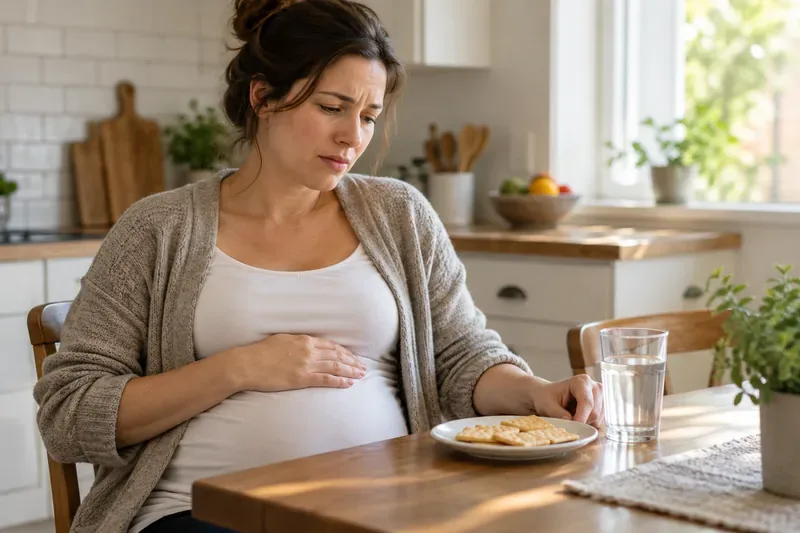
High levels of pregnancy hormones are considered one of the causes of morning sickness, and they are higher in women who are pregnant with twins, so women with twins experience morning sickness symptoms like sadness. vomiting and vomiting are higher in the first trimester. Most morning sickness will lessen in the 12-14 weeks of pregnancy so pregnant women can rest assured.
However, doctors note that many pregnant women with twins complain of more back pain, difficulty sleeping and more heartburn. Twin mothers also have a high incidence of anemia and postpartum haemorrhage .
Gestational bleeding is more common during twins
When you have unusual vaginal bleeding during the first trimester, you may be at risk of miscarriage, which is common in twins, triplets, and quadrants.
If the bleeding is small (blood stains, small blood spots) then you have no reason to panic. However, if you have severe abdominal pain associated with bleeding and blood clots, it's a sign that the problem is getting worse and you should see your doctor right away.
You should still feel a normal pregnancy (gestational movement) if you are pregnant with twins
It is often said that twins will see a pregnancy sooner than usual, however, that is not the case. Usually when you are pregnant with twins, gestational movements (or "pedal baby" in folk names) become more noticeable at 18-20 weeks of pregnancy and this is the same as a single pregnancy. . If you have been pregnant before, you will know what fetal movement is like, but if you are pregnant for the first time, you will not be able to distinguish the movement from gastrointestinal movement and movement. of the fetus.
Mums with twins can gain more weight than mothers with single pregnancies
With twins, pregnant mothers gain more weight because they have two babies, two placenta and more amniotic fluid. You also need more calories to have twins.
However, there is no established formula for weight gain during twins. Average weight gain is 11.5 kg for single pregnancy and 13.5 - 16 kg for twins. Mothers with twins should not gain more than 18 kg or less than 7 kg. And to get the best weight gain plan for you, consult your doctor at regular pregnancy check-ups.
A mother has a higher risk of gestational diabetes when she is pregnant with twins
The incidence of gestational diabetes in women with twins is higher than normal. The greatest risk is when a baby is heavier and requires a caesarean to remove the baby.
What's more, mothers with gestational diabetes during pregnancy are more likely to develop type 2 diabetes later in life.
The risk of pre-eclampsia during pregnancy is high in mothers who are pregnant with twins
Scientists have yet to find a cause of pre-eclampsia , but they do find an association between twins and this phenomenon. Symptoms of pre-eclampsia include increased blood pressure, proteinuria, and edema of the limbs. Pre-eclampsia can turn into eclampsia at birth and cause death in a pregnant woman.
Mothers with twins often give birth prematurely
Mothers pregnant with twins have a higher rate of preterm birth than single pregnancy. Preterm birth is when a baby is born before the 37th week of pregnancy. Preterm birth before 34 weeks is still not a dangerous health problem, as the baby's lungs are starting to mature and the baby will be injected with lung support drugs. However, premature birth is always associated with the risk of respiratory disease in the future as well as other problems such as underweight, malnutrition, weak immunity, ...
You're more likely to have a C-section when you're pregnant with twins
You're more likely to have a caesarean section if you're a twin. In addition, buttock in twins is more common in single pregnancies, and buttock is a common indication of cesarean section.
Not to mention the above, of course, when you have to "carry" both babies in your body, you will have to work much harder. However, your joy will also be doubled when welcoming lovely children through so many hardships, right?