The Japanese weaning method has some good things to apply, but to be successful it requires a lot of factors. And what do you need to know when deciding to adopt this Japanese weaning method?
content
What are the advantages of Japanese weaning?
When should I give my baby Japanese snacks?
How to feed a baby in Japanese style?
The secret to success of the Japanese weaning method?
Before deciding to make a "revolution" in the family, do you have a correct understanding and are ready for this new style of weaning?
What are the advantages of Japanese weaning?
This is definitely the question of many mothers when they see people stirring up about Japanese weaning: What's so good about this method that is "praised" by so many people? The purpose of Japanese weaning is to stimulate the development of taste and good eating habits, not focusing on the amount of food.
Therefore, if applied successfully, the child may not be fat and round, gain weight quickly but will be healthy, eat by himself without mother feeding or carry around everywhere and most importantly, I enjoy eating. drink, that is both healthy mother and good for children.
When should I give my baby Japanese snacks?
According to nutrition experts, babies should be exclusively breastfed for the first 6 months of life and from the 6th month onwards, mothers can start recommending baby snacks.
However, each child has a different development rate, so mothers need to rely on baby's expressions of wanting to eat such as the tip of the mouth and tongue out when seeing adults eating instead of just relying on months of age.
The child's body really needs enough nutrition through weaning at about 9 months of age, so the purpose of weaning at this stage is to familiarize the baby with solid foods besides milk and form awareness. in eating.

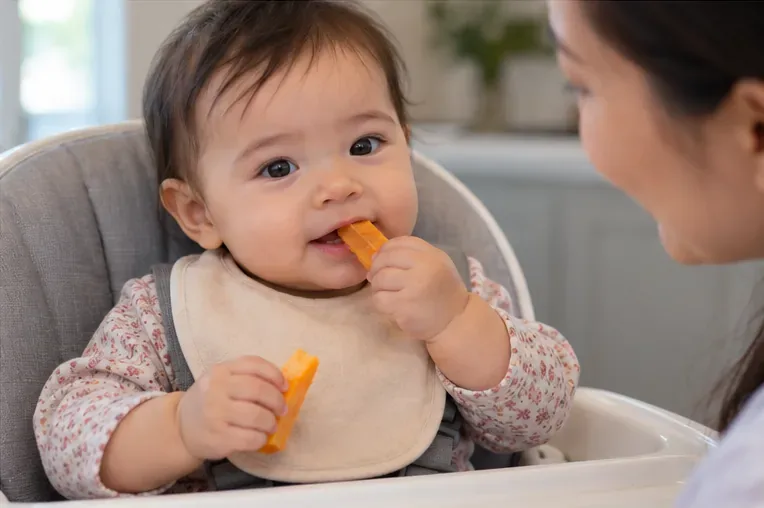
The Japanese weaning method encourages babies to eat by themselves from a young age
How to feed a baby in Japanese style?
One of the important differences between the Japanese weaning style and the traditional weaning way in our country is in the cooking process. If mothers and mothers in the old days often crushed or blended different foods to feed their children, the Japanese weaning method would feed children separately.
Start with pure white porridge, vegetables, and proteins, all starting with a single teaspoon of each food and no seasoning. This way will let your baby get used to the unique tastes of foods to help develop their taste buds.
Note that mothers are only giving your baby a new try every day to test your baby's reaction!
![Frequently asked questions when giving babies Japanese-style solids]()
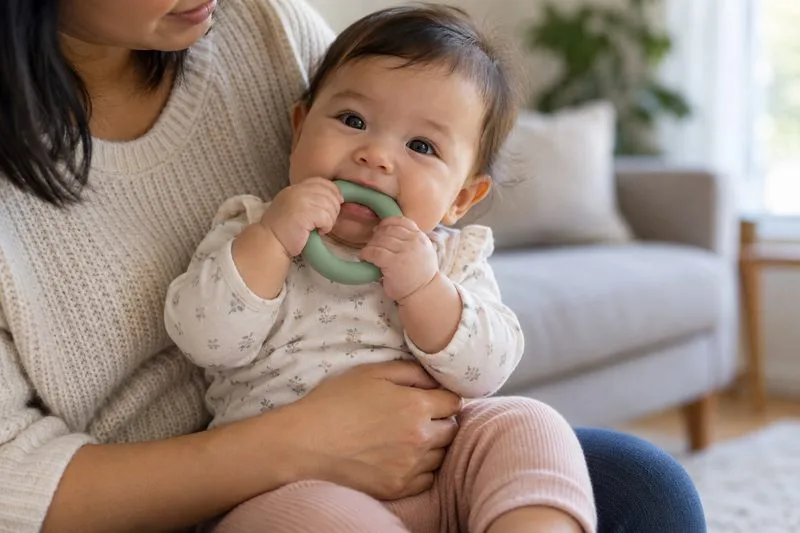
Not only is the food different, but the way the child eats it is also different. You will not be able to feed your baby from small to large and then suddenly one day ask him to feed himself. Therefore, as soon as the baby has a grip reflex and shows that he likes to hold food to his mouth, mothers should encourage and let the baby do it by himself.
Initially these can be baby snacks, dry and easy to dissolve in the mouth, then familiarize children with a bowl and spoon and a little food to "play with". As your baby becomes more familiar and skillful, he or she can put food into her mouth and slowly move towards eating with a spoon.
The secret to success of the Japanese weaning method?
The first and foremost secret is the mentality of the mother. Women with small children who do not expect their children to grow up quickly, but if you want to raise your children by Japanese weaning method , you must be ready to "tolerate" the little food and slow weight gain in the first time.
Overcoming the weakness and feeling of pity for the child at this stage, the mother will enjoy the "sweet fruit" when she sees that the child eats himself comfortably without crying or fussy eating, eating, spitting food out, losing appetite, afraid of eating… like many other friends of the same age.
Followed by perseverance and determination because there is no educational or parenting method that can be successful every day or two. I will not mind you being dirty, not afraid of wasting time washing your baby after each meal and not because you feel clumsy and help feed your baby.
In addition, perseverance and determination here also refer to the "war" between modern mothers and traditional mothers when women, ladies, even sisters or sisters-in-law. fiercely opposed this "strange" weaning method. This is a challenge that has caused many mothers to give up to let it go.