In addition to language development, storytelling to children is a way to nourish the soul as well as help children build personality from an early age. In each fairy tale, there is always the mystery, magic, kindness, courage of princes and princesses. Or to the kind fairies, witches who are always jealous and jealous of others
content
1. Nurturing a child's soul through old stories
2. Fairy tales are highly educational
3. Tell stories to your baby to train emotions
4. Emotional bonding between parents and children
Do you know, every story you tell to your baby also means bringing the following 4 benefits for both mother and baby ?
1. Nurturing a child's soul through old stories
Each child's soul is like a blank page, will write on the first lines when being taught by parents every day. Each fairy tale has a different content. But the ultimate goal is to guide the baby to know what is good, bad, to love and share.
2. Fairy tales are highly educational
The child's personality is influenced by external factors and is very easy to imitate. The characters in the fairy tale are built as a perfect person in all aspects with kindness, compassion, courage ... Each story is a living lesson about life with moral qualities. good manners, good manners or handling situations. All will imprint on the mind, helping children learn from good things and live a better life.

Through old stories, children will learn good moral qualities
3. Tell stories to your baby to train emotions
Fairy tales are like a door to a new world with magic and miracles. At the same time, children can freely immerse themselves in the characters of the story with feelings of joy, anxiety, and suspense ... All children's emotions are shown in the most natural way. Through the story of the mother, children know how to love good people, have an angry attitude towards bad people, and appreciate life.
4. Emotional bonding between parents and children
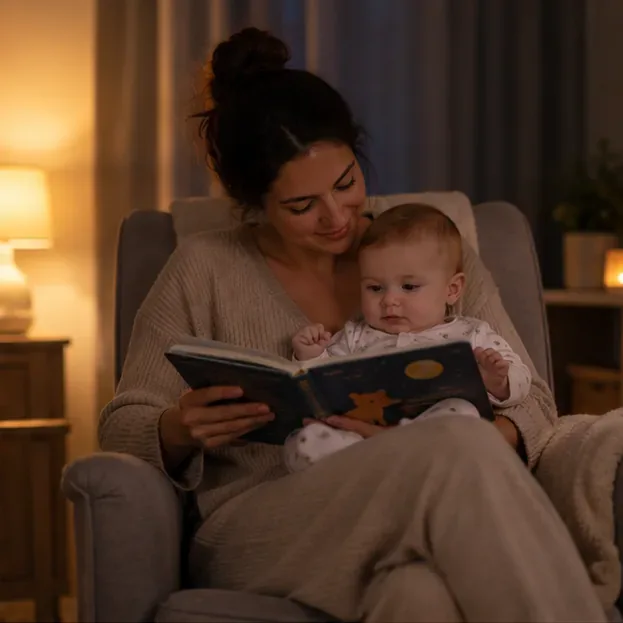
No matter how busy you are with work, parents should spend time playing, every night to tell stories to their children. Your baby is in the loving arms of his parents, showing affectionate feelings is the happiness that helps you dispel the fatigue in life. At the same time, this is also a way to help the family love become deeper.
Notes when telling stories to babies
- If the baby does not act proud of the story being told, the mother should change to another story. Only when like, the baby will be attracted and absorb the content of it.
- Sometimes the baby will ask the mother to tell a story over and over, so please let her know until she stops paying attention, you should move on to a new story.
- Choose stories with content appropriate to your child's development . Things end too sad, mothers should wait until the baby gets older.
- Before bedtime, you should not tell your baby stories of monsters and ghosts. Children may become obsessed and become more difficult to sleep.
![Fairy teaches children what?]()
10 minutes of listening to mothers reading books, children developing better Reading books to your baby can help strengthen the connection between parents and children, and can also help children develop language skills. But without waiting for the baby to grow up, experts encourage mothers to start reading to their baby from the moment they are in the womb.