You can keep your baby safe by stools identifying which items in the home can be toxic to your baby.
content
Child safety: Recognize toxins in the home
Child safety: Protect children from poisons
Child safety: Recognize toxins in the home
Recognizing which objects are toxic to babies
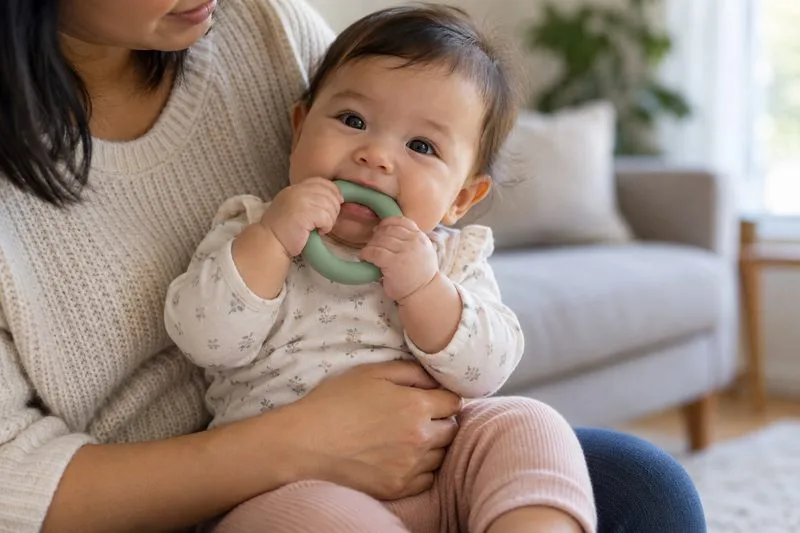
Babies explore the world by putting things in their mouths and it is not always easy to tell which substances are toxic and which are not. Be sure to check the items in each room and list items that you think might be poisonous, listing both outside and inside drawers, cupboards and wardrobes.
Here are some poisonous items that are commonly ingested by children under 6 years of age:
Cosmetics and body care products like mouthwash, nail care products, hair removal and baby oil. Baby massage oil or similar products should not be kept within reach of children because in rare cases, infants have died from ingestion of baby oil.

Medicines must be safely kept out of the reach of children
Prescription drugs such as heart and high blood pressure medications, antidepressants, sleeping pills, diabetes medications, wound medications, and overdue medications.
Pain relievers such as acetaminophen or ibuprofen, which cause poisoning in large doses. Never give aspirin to a naughty child because it can lead to Reye's symptoms, a rare fatal brain and liver disease. Cough and cold medicine, vitamin supplements, especially iron supplements are also dangerous for your baby.
Cleaning products include drain catheter, microwave cleaner, toilet cleaner, bleach, dishwashing liquid, interior cleaner, rust remover ...
Special crops are poisonous plants such as oval, perennial ...
Paint thinner , paint remover, kerosene, alcohol, antifreeze, and glass cleaner.
Child safety: Protect children from poisons
How can I make sure my baby does not swallow harmful objects?
You will be amazed how quickly your baby learns how to open cabinets, open medicine boxes ...
Store potentially poisonous items in a locked cabinet
Make sure all shelves are locked securely, even if it seems out of reach of children as many babies climb up the kitchen counter or even the cupboard. cold and open shelf at very high. Your baby can do that before you know it.
All medicines that are old and out of date
should not be thrown down the toilet because they can contaminate groundwater and that is our source of drinking water. However, there are some medications that can harm children, experts recommend throwing them down the toilet instead of in the trash.
Look closely at the medicine label to find out what medicines to throw away. If you are not sure, you can check with your pharmacist or consult your local health center about what to do with these medications. If there is no recall program in your area and all medications must be thrown in the trash, take an empty bottle and put all the medicine in and seal tightly, clearly stating what you are in.
Don't be subjective with child-proof
boxes These boxes have a more special opening than usual, but you can only hope that the lid can delay your baby opening the box long enough so you can make it. time discouraged.
Note that no lid of the box is sturdy enough that children cannot try to open it. "It is not uncommon for a two-year-old to be left alone for 30 minutes to destroy the best manufacturer's equipment," said a pediatrician.
Keep medicine, bleach, and even detergent packaging the same
Never put toxic products in unmarked containers or past food containers as this can cause confusion.
![Child safety: Recognize toxins in the home]()
Children are not allowed to play with cosmetics as they may be accidentally swallowed
Keep bags, purses out of reach of babies
A lipstick or bottle of medicine is for children as well as food, so keep your bag or purse high up and not open before you move on. to do other work.
Never refer to medicine as delicious as candy
Even if you are trying to force your baby to drink tasting antibiotic syrup, you shouldn't lure him into a delicious treat. Children learn by imitating, so take your medicine when they cannot see. To be safe, you can teach your baby not to eat anything without consulting an adult first.
Read the labels carefully before buying household products and try to use the least hazardous products
Among general household products, the less toxic products are chlorinated water, vinegar, borax and beeswax, should clear the drain with compressed air instead of corrosive liquids.
Keep an eye on your baby
Even if you have the most perfect prevention method, you should not ignore them. You should be especially cautious when taking children to a friend or relative's home, as the landlord may not arrange childcare equipment.
What should be done to prevent toxins?
Install Carbon monoxide alarms around your home. Carbon monoxide is a colorless, odorless and tasteless gas. Each year, there are thousands of carbon monoxide poisoning leaks from microwave ovens, fireplaces, ovens, gas valves, stoves and places where there is a fire. Make sure that the gas appliances in your home are safe to use and that a carbon monoxide alarm should be installed on each floor of your home.
What to do if a child is suspected of swallowing poison?
You should immediately call the emergency medical center for instructions.
If the baby is unconscious, not breathing, immediately call 115 to get emergency timely. Ideally, as soon as you see the first signs that your baby has been poisoned, call the emergency medical hotline number right away and ask to see a specially trained staff to answer poison calls and Questions about household toxins.