How to Introduce a Bottle When a Breastfed Baby Refuses It
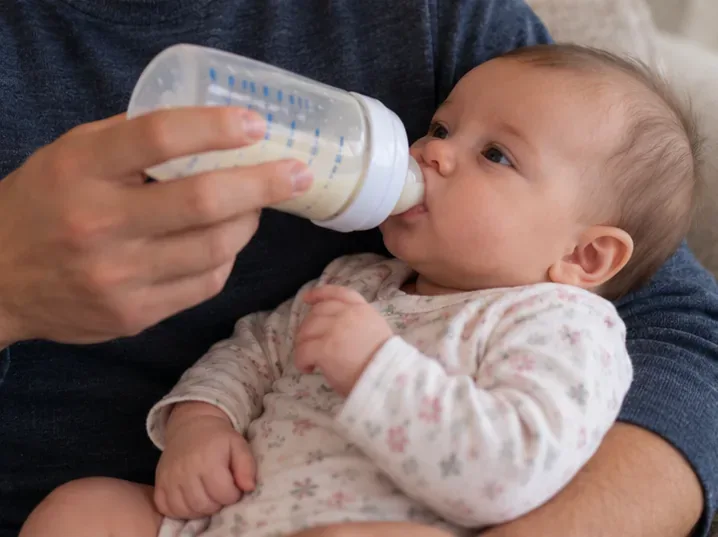
A practical guide to bottle refusal in breastfed babies: compare timing, caregiver, nipple flow, milk temperature, paced feeding, and when to get help.
Advantages and disadvantages of the three most popular weaning methods today: Traditional weaning, Japanese weaning and self-directed weaning, which is the perfect choice for baby?
content
Currently, there are 3 methods of weaning that are most interested by many mothers: traditional weaning, Japanese weaning and self-commanding weaning. Each method has its own advantages and disadvantages. Furthermore, each baby will be adapted to a unique weaning pattern.
Of these 3 methods, which is the best way to breastfeed your baby? Can you combine both 2, even 3 at the same time? Refer to the following article to know the weaning method that best suits your baby, mom!

What is the best way to breastfeed your baby? Mom see!
Advantages: Fast processing, does not take much preparation time.
Cons: Because children regularly eat flour and rice, the child's ability to eat raw foods is underdeveloped. Many 2-year-olds but still have to eat pureed rice. Moreover, cooking ingredients together will make it difficult for the baby to perceive the taste, thereby leading to anorexia or fussy food.
This is the method of feeding baby solid foods that are favored by many Vietnamese mothers. With this method, babies begin to practice weaning from 5-6 months of age with dilute porridge at the ratio of 1:10. The raw porridge will increase gradually with the age of the baby. In addition to porridge, your baby can eat other foods such as meat, fish, and green vegetables with the right grade.
The most noticeable difference of the Japanese weaning method is that children can eat each type of food separately, ensuring all 3 food groups: starch, vitamins, and protein according to the standard: yellow - red - green.
Advantages: Compared with traditional weaning, Japanese weaning babies will be able to eat raw food sooner. In addition, by eating each type of food separately, your baby gets used to the taste of the food better. At the same time, this type of weaning baby is also able to practice the habit of eating right from a young age.
Disadvantage: In the early stage of preparation, the mother will take time and effort to prepare each dish separately.

Japanese weaning food: Baby's menu for 5-6 months old Once a day, your baby's weaning menu will start with a small spoonful of dilute porridge, then gradually increase the number as the baby gets used to it. What's more? What is special about the Japanese snack menu for babies from 5-6 months old? Consult now, mom!
No stirring, no dilute porridge is the feature of this method. Right from the first weaning, babies will be trained to eat roughly as adults. Not for the purpose of "stuffing" food into the baby's stomach, self-directed weaning is mainly focused on training baby to chew. During this period, milk is still the staple food.
Another point is also quite special in this method of weaning: Children do not use spoon, no bowls, but will use their own hands. With this method, the mother will prepare the baby with whole, soft stewed foods such as carrots, potatoes, rice balls, bananas, boneless chicken breast ... Your baby will "choose" his favorite food. in your mouth.
Advantages:
Children discover the taste, texture and color of each food by themselves
Develop hand-eye coordination motor skills and chewing skills
Children are free to eat the right amount of food they need, according to their own time
No need to waste time preparing baby food
Defect:
During the first few months your baby gets used to the self-directed weaning approach to eating very little. Therefore, mothers who want their children to gain weight quickly will not be suitable.
In addition, the raw feeding from the beginning is very easy to choke, choke the baby. At the same time, food on the table requires mothers to regularly clean and clean, otherwise it may cause diarrhea.

Is self-directed weaning safe for babies? Not only being cared and applied by many Western mothers, self-directed weaning foods are also being disseminated and widely spread among Vietnamese mothers. However, there are many opinions that, when giving your baby too early exposure to solid food, it can harm the child's digestive system, even cause ...
Instead of forcing the baby to follow a certain method of weaning, mothers should feed the baby according to their ability and preference. Moreover, mothers can also choose to combine different weaning methods to find the most suitable method.
In fact, many children like to eat raw food early, only 10 months old can eat rice, but some 1 year old children still refuse to eat anything but pureed food, even though following the same weaning method. Ideally, when feeding baby solid foods, mothers should pay attention to the baby's cooperation and needs.
For babies who do not like to eat raw, surely mothers cannot rigidly apply the self-commanding method or completely Japanese weaning method. It is necessary to be persistent in practicing gradually feeding your baby, alternating raw and pureed meals.
A practical guide to bottle refusal in breastfed babies: compare timing, caregiver, nipple flow, milk temperature, paced feeding, and when to get help.
Help two caregivers share a calm, flexible baby sleep routine with a clear handoff, age-aware steps, and the same safe-sleep finish.
Face or ear rubbing can accompany tiredness, but it is not a diagnosis. Learn common explanations, what to watch for, and when to call the pediatrician.
Babies may scoot backward as they learn to coordinate their arms and legs. Learn what is common, how to encourage safe floor play, and when to ask a pediatrician.
Recurring diaper rash may be linked to ongoing irritation, diarrhea, yeast, product sensitivity, or another skin condition. Learn what to track and when to call the pediatrician.
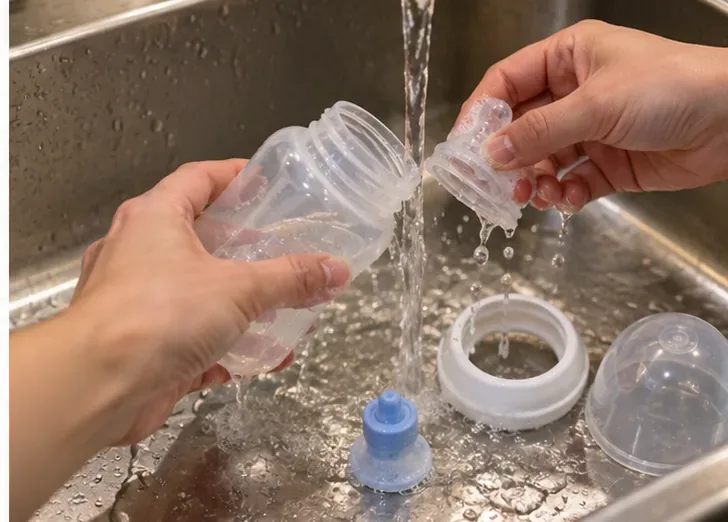
Learn a safe, practical way to hand-wash bottles and feeding equipment while traveling, including rinsing, air-drying, sanitizing, and safe-water tips.
Learn how to track a baby’s wet diapers, feeds, urine changes, and warning signs—and when a drop in output needs prompt medical advice.
Keep your baby comfortable in a simple Halloween costume, take a few quick photos, and follow practical guidance for warmth, car seats, and safe sleep.
Discover the key signs of newborn fast breathing, learn how to identify pneumonia risks, and explore effective solutions for infant respiratory health. Stay informed about your baby
Discover the best cooking oils for 6-month-old babies to ensure proper nutrition and development. Learn why fats are essential, how to use them, and which oils are most beneficial for your baby’s health.