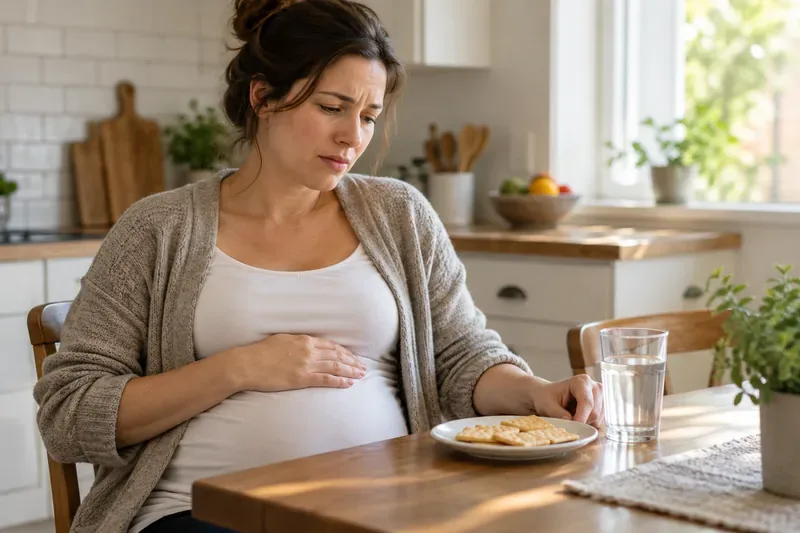
Some believe that the sex of the baby can be determined through the morning sickness signal of pregnant mothers during pregnancy.
Most pregnant women experience cravings at some point in their pregnancy. It can be an appetite for specific foods or particular foods, usually sweet, salty, spicy or fatty foods. And sometimes, pregnant women crave things that are not food. The cases of mothers who crave tobacco are most likely the result of hormonal and metabolic changes in the woman's body. Some think that the sex of the fetus can be speculated based on these signs of pregnancy . Is that true?
Why do pregnant mothers crave a random treat during pregnancy?
Morning sickness is a common pregnancy symptom. Several theories have been proposed to explain this situation. Hormonal changes alter the taste and flavor of foods, leading to the cravings for a particular food, sometimes somewhat unusual. Mothers 'temporary nutritional deficiencies can also be attributed to their babies' high nutritional needs. Deficiencies in particular nutrients can lead to an increased need for foods rich in these nutrients. Food is believed to have a connection with mother's emotions. During pregnancy, a mother may consciously or unconsciously crave a particular food as a response to an emotional need.
Some pregnant women experience Pica morning sickness, a form of morning sickness with non-food substances such as chalk, dirt, detergent or clay. Pica is a compulsive eating disorder that causes a general feeling of morning sickness, which makes pregnant women uncomfortable with these agents. According to aFamilyToday Health, the most plausible explanation for Pica morning sickness is due to the body's efforts to absorb vitamins and minerals that may be deficient in the daily diet. Desire manifests itself for nutritional deficiencies in the body. For example, feeling sick with ice and washing powder due to lack of iron; chocolate due to lack of magnesium; chalk or dirt due to lack of essential fatty acids; and more common morning sensations such as a craving for red meat due to a lack of protein or a craving for peaches due to a lack of carotene. In many cases, when deficiencies are added,
Can the sex of the fetus be based on the food the mother wants to eat during pregnancy?
Besides, many people believe that the unusual signs of pregnancy during pregnancy are actually signs of the baby's sex. For example, if a pregnant woman craves sweets, such as chocolate and candies, or dairy products, especially milk, she is pregnant with the baby girl. Unfortunately, there is no scientific evidence to support this yet. So even if you crave chocolate cake during your pregnancy, you can still have that baby boy.
Some people believe that they are pregnant with a baby boy when they like to suck on lemons or crave meat in their pregnancy. Again confirm that there is no scientific evidence to support these speculations.
A scientific method that can predict the sex of the fetus is the ultrasound after the 20th week of pregnancy. It is possible that cravings during pregnancy are a sign that there is a disorder in the body, but to determine the sex of the fetus, it cannot be confirmed. More precisely, the appetite is the result of hormonal changes, nutritional needs and psychological changes of the pregnant mother only.