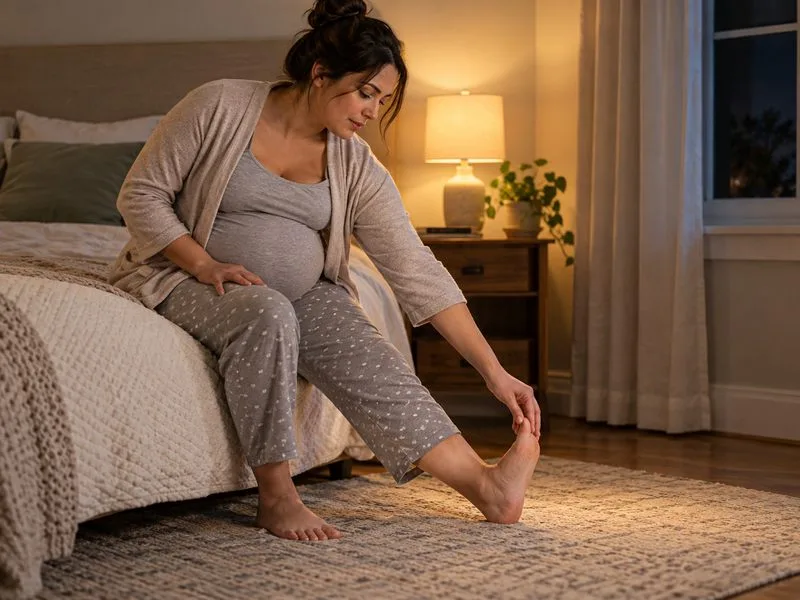
Itchy stomach during pregnancy is normal because the skin of the abdomen will have to stretch as your baby grows. However, if the mother is too uncomfortable, what should I do?
This may sound odd, but only pregnant women understand the difficulty to control the habit of scratching the belly by itching. Why must pregnant mothers do that? Let's learn with aFamilyToday Health through the following article.
Causes of itchy abdomen during pregnancy
Pregnant women with itchy abdomen is a fairly common symptom of pregnancy due to the following symptoms:
1. The abdomen gets bigger
Usually, abdominal itching is caused by the growing uterus causing the skin to stretch, leading to the loss of moisture in the skin and making pregnant women feel itchy.
2. Hormonal changes make pregnant women itchy stomach
Hormonal changes in the body, especially when estrogen levels rise, are responsible for the itchy sensation during pregnancy.
6 tips to help pregnant women get rid of itchy stomach during pregnancy

When itchy stomach, mother will be very uncomfortable, even the mood can be frustrating and restless. At that time, mothers apply some of the following extremely effective tips to soothe the abdominal skin.
Do not scratch: If pregnant women itchy stomach scratches, your skin will be more irritated;
Use a moisturizer: Use a mild, fragrance-free moisturizer that can help ease the itchy tingle during pregnancy.
Apply anti-itch creams or use oil containing vitamin E: You will get rid of itchy stomach when using this oil and it will be great when you have sore nipples after giving birth
Hot showers: The combination of oatmeal and warm water baths is great for relieving itchy stomach during pregnancy. However, you should not use water that is too hot because this can make your skin drier;
Using a humidifier in your bedroom: This will help keep your skin from drying out - but be careful, as a humidifier can spread bacteria and make you allergic if not used. not properly. You should read carefully and follow the manufacturer's instructions for using the correct device to avoid worsening stomach itching.
Pregnant mothers often itchy stomach during pregnancy?
Usually, the itchy abdomen during pregnancy is caused by the stretched skin. Sometimes the chest, palms and soles of the feet are itchy as well. This is due to hormonal changes as well as the development of the skin during pregnancy. If pregnant women get too much itchy stomach, pregnant women should see a doctor.
Is itching during pregnancy a sign of serious illness?
Sometimes, itching during pregnancy is a sign of some serious medical problems. If the itching is severe and the rash is severe, there are several of the following conditions that you may have:
1. Urticaria itchy rash (PUPPS)
The disease is characterized by a very small rash on the abdomen. Initially, these nodules are often dispersed but then cluster in large plaques;
Nearly 1% of pregnant women experience urticaria;
It usually occurs late in pregnancy (the last 3–5 weeks) and sometimes occurs after birth;
Urticaria has no known cause, and women who are pregnant with twins or multiple pregnancies will be more susceptible to it;
Sometimes the hives will spread to other parts such as the thighs, buttocks, back, arms, and legs. However, they rarely spread to the face, neck, and hands;
The doctor will give the pregnant mother ointment to treat;
If severe, you should take an antihistamine or steroid;
PUPPS is usually harmless and goes away after birth;
This disease rarely appears in the next pregnancy.
2. Itchy papules during pregnancy
If only small red spots appear at first but later grow larger to look like a bite, then you most likely have an itchy rash;
This is considered a common symptom of pregnancy that usually occurs in the abdomen, limbs and the whole body. They appear at the end of the 2nd month or late stage of pregnancy;
Pregnant mothers can use ointments or antihistamines and steroids to treat
It does not affect the baby and usually goes away after birth. However, sometimes 3 months after birth, the rash goes away;
This can happen in the next pregnancy.
3. Pemphigus bullae (Pemphigoid gestationis)
![Itchy stomach during pregnancy: Causes and 6 tips to eliminate itching]()
Pemphigus bladder is a condition in which the itchy sores develop into large sores;
It usually occurs in the middle and late stages of pregnancy and even lasts 1–2 weeks after birth;
Itchy bumps often appear near the navel and spread to the arms, legs, palms, and soles of the feet. The doctor will give the pregnant mother a drug containing steroids for treatment;
It is more serious than PUPPS because it can cause premature birth, affect the baby's development and even stillbirth. Pregnant mothers should see a doctor if they see signs of the disease;
Sometimes after birth your baby will get a mild rash for a few weeks. This can happen in the next pregnancy.
4. Impetigo herpetiformis (Impetigo herpetiformis)
It is not caused by a virus, but it is a form of festering psoriasis;
You are most common in late pregnancy and often appear as red, pus-filled patches that develop into small, white bumps;
These patches usually appear on the thighs, groin, abdomen, armpits, under the chest, and other areas. Accompanying itching are symptoms such as vomiting, diarrhea, fever, and chills;
The disease is usually treated with drugs containing corticosteroids.
This condition will go away after giving birth and you can still see it again in the next pregnancy.
5. Intrahepatic cholestasis (ICP)
Intrahepatic cholestasis is severe itching in pregnant women and is very rare
This disease usually appears in the late stages of pregnancy. This is a condition in which bile is deposited in the liver, causing acid to increase in the blood, causing the body's bile to rise and be deposited into the skin causing intense itching.
Pregnant mothers usually have a rash on the palms of the hands, soles of the feet and abdomen. Symptoms associated with itchy stomach during pregnancy are nausea, irritability and loss of appetite
Intrahepatic cholestasis is very dangerous and can lead to stillbirth .
Do pregnant mothers need to see a doctor if they get itchy stomach during pregnancy?
If pregnant women get itchy stomach during pregnancy, see your doctor if:
Itchy parts of your body not caused by dry skin or lack of moisture;
Every place on your body itches;
A rash develops in your abdomen (especially in the last trimester). This symptom, also known as PUPP, usually appears during pregnancy, but it is treatable.
When does itchy stomach occur?
Abdominal itching usually occurs in the middle, ie from 13 to 28 weeks. However, this phenomenon can also occur in the early and late stages. If pregnant with twins, pregnant mothers will itch more because the skin of the abdomen has to stretch a lot.
Hopefully the above article provides you with useful information about itchy stomach condition during pregnancy. Wish you have a very healthy pregnancy.