Many women misunderstand that they are pregnant despite the fact that they are just experiencing premenstrual symptoms. Want to clearly distinguish these two conditions, you should pay attention to the following.
Premenstrual Syndrome (PMS) is a group of symptoms related to a woman's menstruation. Pre-menstrual symptoms typically occur 1-2 weeks before the "red light" visits and end after menstruation begins. Premenstrual symptoms can be very similar to those of early pregnancy . So, you will need to pay more attention to the following signs to be able to distinguish these two conditions. Let's find out now with aFamilyToday Health.
7 differences between premenstrual symptoms and signs of pregnancy
Even if you encounter the same symptoms, if you pay close attention, you will notice the differences in the following health signs to easily see if you are only experiencing premenstrual symptoms or pregnant. .
1. Chest pain

Premenstrual: During the premenstrual period, chest tightness may occur during the first half of the cycle. The pain ranges from mild to severe and is usually most severe right before the "red light" appears. In particular, symptoms tend to be more severe in women of childbearing age .
In addition, the tissues in the chest become thickened especially in the outer area. You may feel a tightening in your chest with a dull pain. This will decrease during the "red light" that occurs when progesterone levels decrease.
Early pregnancy: Chest pain may be one of the signs of first week pregnancy you may experience. Early in pregnancy, your breasts may feel pain, sensitivity or discomfort with tension. This usually occurs 1 to 2 weeks after a successful conception and can last a while because progesterone levels in the body increase due to the arrival of the fetus.
2. Bleeding
![What are the symptoms of premenstrual symptoms and other signs of pregnancy?]()
Premenstrual: Normally, a woman will not bleed during the premenstrual period. Instead, when your period begins, the amount of blood will likely increase and last for nearly a week.
Early pregnancy: One of the most common early signs of pregnancy is little vaginal bleeding or small pink or dark brown blood spots. According to Healthline , this phenomenon usually occurs 10-14 days after conception and also does not produce much fluid.
This is called a gestation and will occur in a few days, shorter than a normal menstrual cycle.
3. Change your mood
![What are the other symptoms of premenstrual pregnancy and pregnancy?]()
Premenstrual: You may feel more irritable and angry before your period. This premenstrual symptom usually goes away by the time the cycle begins. You can do light exercise or get a lot of sleep to minimize the effects of your premenstrual condition on your mood.
Get pregnant early: If you do get pregnant, your emotions can constantly change and this will last until the moment of birth. You can be happy, expecting your baby to be born quickly, but then be sad and cry right after.
This can alert you to the risk of depression during pregnancy . According to BabyCentre , 1 in 10 women will experience this feeling during pregnancy. Although quite popular and seemingly unimportant, this problem needs attention and careful treatment to avoid harm to mother and baby in the future.
4. Fatigue
![What are the other symptoms of premenstrual pregnancy and pregnancy?]()
Premenstrual: When entering the premenstrual period, many women will feel tired with difficulty sleeping. This usually goes away soon. If you want to improve your situation, you can do yoga or some sports to help you sleep more deeply and better.
Early pregnancy: During pregnancy, the sudden increase in the hormone progesterone can make you feel tired. This can be most severe in the first trimester, but it is also more likely to last throughout pregnancy. Apply for yourself a reasonable resting regime as well as a reasonable nutritional menu for your daily meal to help your body overcome this period.
5. Nausea, vomiting
![What are the other symptoms of premenstrual pregnancy and pregnancy?]()
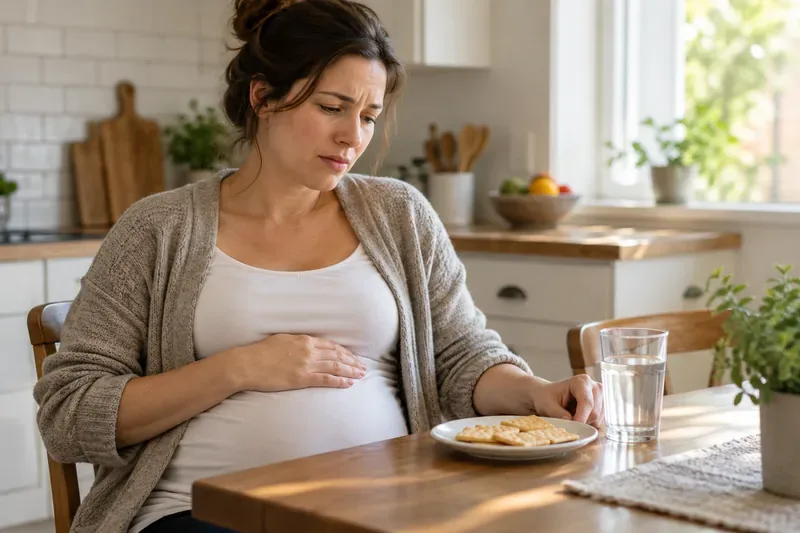
Premenstrual: When the "red light" comes slowly, you may wonder if you are pregnant or not. However, the premenstrual period usually does not appear nausea. So, even if your period is delayed, if you do not experience nausea, your chances of getting pregnant are still not high.
Early pregnancy: Morning sickness is one of the most common signs that you are pregnant, although not all pregnant women will experience it. Nausea attacks usually appear one month after pregnancy. In addition, nausea and vomiting can occur simultaneously or not, because according to WebMD , about 50-90% of women experience nausea during pregnancy while only 25-55% experience vomiting.
6. Cravings for food
![What are the other symptoms of premenstrual pregnancy and pregnancy?]()
Premenstrual: As your "red light" approaches, your eating preferences may change. You will likely crave chocolate, sweet foods, savory foods or foods rich in carbohydrates such as whole grains, fruits, vegetables, dairy products, etc.
Get pregnant early: If you are already pregnant, you may be very hungry, but unlike PMS, you will also experience discomfort with certain foods or the smell of food, even before you really like them. This change can be experienced during pregnancy.
7. Cramps
![What are the other symptoms of premenstrual pregnancy and pregnancy?]()
Premenstrual cramps: You may experience cramps about 24 to 48 hours before your period. This discomfort may subside in the last days and should go away when your period is over.
Early pregnancy: During the first few weeks of pregnancy, you may experience mild cramps from time to time that feel like menstrual days. However, pregnancy cramps usually occur in the lower abdomen or lower back, so you need to pay more attention to this sign to be able to distinguish your health status.
How long do premenstrual symptoms last?
The duration of premenstrual symptoms will vary from person to person, from a few days or even a week. However, they usually start after you ovulate
Distinguishing premenstrual symptoms from pregnancy is a matter of understanding if you are expecting a pregnancy so that you can change your health care practices soon. If in doubt, use a pregnancy test or perform medical tests to see if you are pregnant!