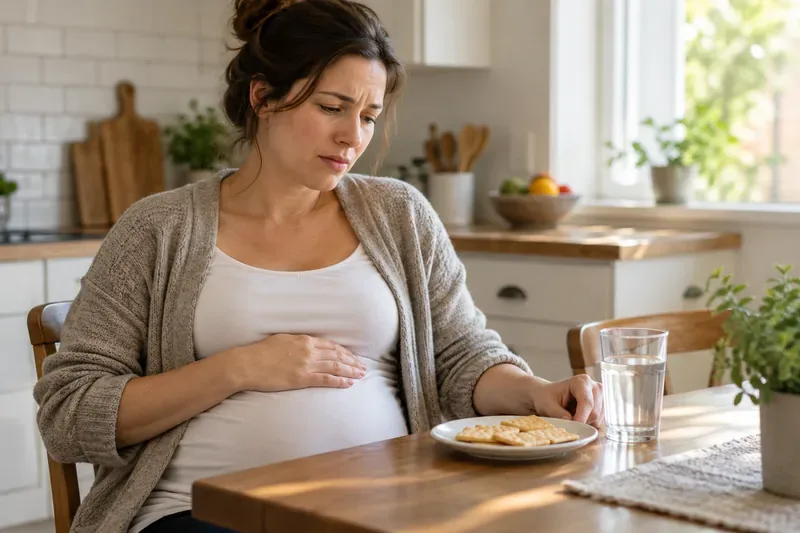
Achieving orgasm during pregnancy (peak during pregnancy) not only does not harm the baby but also helps pregnant women reduce stress, tighten the relationship between the couple even when "pregnant".
Most pregnant women worry that the "love" and "having sex" during pregnancy can affect, even harm the baby. Therefore, even if the husband "wants", most of the wife will still refuse or just "respond to the rules" to ensure the health of the child.
However, this point of view needs to be changed because reaching orgasm during pregnancy does not affect your baby at all. Not only that, but the "love" also helps you reduce stress and promote the emotional connection between the couple. Please join aFamilyToday Health to continue to share the following for some more interesting information!
"Sex" in each stage of pregnancy
During 9 months of pregnancy, pregnant women will experience many different emotions, especially in "sex":
First 3 months: Nausea and fatigue decrease sexual interest. In addition, experts also recommend that you avoid "falling in love" in the first 3 months to limit the risk of miscarriage. Therefore, having sex at the peak during the first month of pregnancy is not recommended.
Middle 3 months: This time, your body will change a lot as your breasts become more sensitive, the vagina is also slippery and more congested, so you will easily have orgasm. So there are many pregnant mothers who wonder what is the problem with 4 months of pregnancy? The answer is that this stage is quite safe in having sex with healthy pregnant mothers.
Last 3 months: At this stage, you should "fall in love" in a recumbent position, lying on a spoon, lying on your buttocks or lying on top. Sometimes, peaking during pregnancy will trigger uterine contractions, but these contractions are not the same as those in labor and do not last long. If you have sex on the days of giving birth, you can have uterine contractions lasting about half an hour.
Dream "hot" during pregnancy
According to research, about 8% of adult dreams contain sexual content, of which the rate of dreaming an orgasm is about 4%.
During pregnancy, women are more likely to have such dreams, especially during the second trimester. The reason is that the increased blood flow through the pelvic area makes the body "ready for sex" even while sleeping. If your doctor tells you to abstain from sex but you get to orgasm while you sleep, don't worry because it rarely triggers labor.

Orgasm during pregnancy and 5 fun facts
There are many pregnant mothers who wonder if a woman goes to the top when she is pregnant, or if she climbs when pregnant is dangerous or if she is pregnant, it affects the fetus ... but does not know who to talk to. Understanding that, aFamilyToday Health provides you with some information to better understand sex and orgasm during pregnancy:
Peaking during pregnancy helps reduce stress: When pregnant women peak, the body will secrete adrenaline, increasing emotions and reducing stress so you can have a good night's sleep. In addition, this also helps control blood sugar.
Support for labor: Having an orgasm improves the pelvis, which is essential for labor. Because during labor and childbirth, the pelvic muscles will have to do their best to push the baby out. The mother elected to the peak during pregnancy is a way for the body to exercise to enhance the health of this big day.
Increased muscle strength: During pregnancy, you will urinate more often than usual. The reason is that growing babies put pressure on the bladder. The mother elected to orgasm can help strengthen the muscles to control the storage of urine in the body.
Increased Confidence: Due to hormonal changes, it is very easy to change your mood and feel depressed. Having sex with your husband and having an orgasm can help you feel happy and happy, and you will feel more confident.
Lower abdominal pain: Pain in the lower abdomen is quite normal during pregnancy, each time orgasm, the intensity of the pain will also vary.
Addressing problems related to orgasm during pregnancy
![Having orgasm during pregnancy can cause miscarriage or premature birth?]()
1. Pregnant mother having orgasm during pregnancy can cause miscarriage or premature birth?
In the past, most people thought that an orgasm could be harmful to a pregnant woman, and it could even lead to a premature birth due to the contraction of the uterus. In fact, during orgasm, the hormone oxytocin is released, which can cause contractions. However, there are no studies that prove that orgasm during pregnancy can harm the uterus baby.
According to research, pregnant women will have an orgasm more easily than normal and this is completely safe, not harmful to the baby. Because the fetus is tightly protected in the amniotic sac, so it will not suffer any effects from external influences.
2. Why did you feel the climax was more intense during pregnancy?
During pregnancy, the breasts and vagina become very sensitive due to increased blood flow through these areas. This sensitivity is the cause of increased sexual pleasure.
3. Why is pregnant belly hardened when orgasm?
Orgasm during pregnancy can cause the uterus and pelvic muscles to contract. This can make your stomach feel stiff. But don't worry, this is just one of the symptoms of pregnancy and this should go away after giving birth.
When should pregnant mothers say no to "love story"?
![Having orgasm during pregnancy can cause miscarriage or premature birth?]()
Although "love" and "peak during pregnancy" do not harm the baby, there are some cases that pregnant mothers should avoid:
You have unusual bleeding
The placenta is developing in the wrong position: placenta forwards, placenta clinging to the front, low placenta ...
The cervix is short
Broken amniotic fluid
You are pregnant with twins, triplets or more
You have been born prematurely.
Also, be aware that "falling in love" during pregnancy can lead to a number of bacterial infections. These conditions may increase the risk of preterm birth. However, this is usually only seen in women who have been having sex with many different people before and during pregnancy.
Pregnancy is a special time for couples, but do not be afraid of things that might not be there that stresses the relationship. Do not be afraid to "love" during pregnancy because this not only helps to strengthen the relationship between the couple, but also good for labor in the last months.