How to Teach Chores Without Redoing Every Task for Your Child
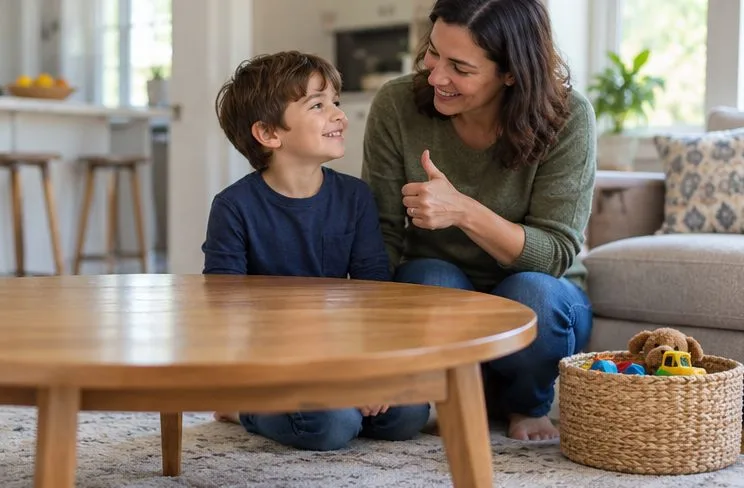
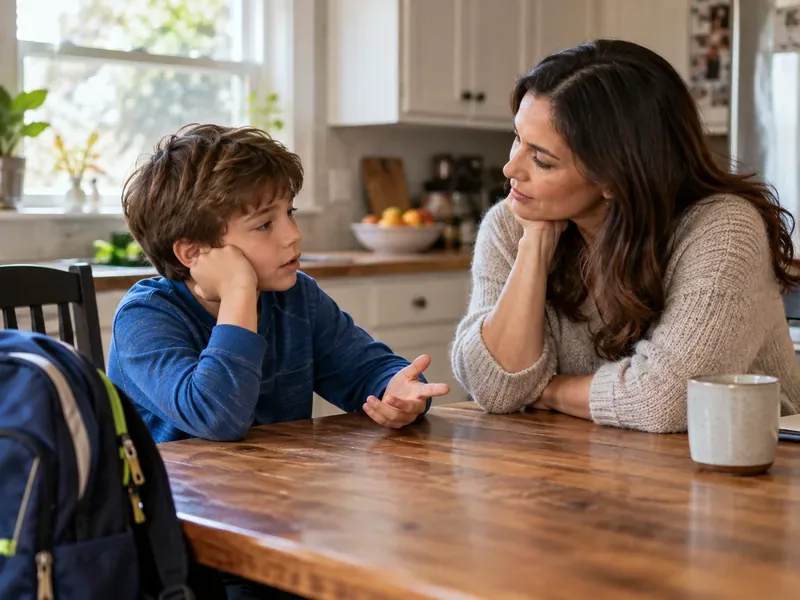
Teach kids to do chores with fewer reminders: set a clear finish line, model one task, step back, and correct only what is unsafe or unfinished.
Polio is a highly contagious disease caused by a virus. If parents do not give their child polio vaccination, the child is likely to get the disease and lead to a lifelong disability.
Usually, polio in young children does not appear asymptomatic. A few have only mild symptoms. Viruses are the most common because of their ability to attack the nervous system and cause polio. Although it is now completely possible to prevent this disease with a vaccine, you should not be subjective. On the World Polio Day (October 24), join aFamilyToday Health to learn more about this disease.
Poliovirus is caused by poliovirus. There are 3 types of virus and they are spread through contact with infected stool. This usually happens when a child is not washing their hands or washing their hands incorrectly. It can also be caused by eating foods containing viruses. In addition, polio in young children also comes from the baby receiving the virus in the air when someone else coughs or sneezes. The virus stays in the child's feces for several weeks. Children are most contagious right before and after symptoms start.
A child is at higher risk of developing polio if he or she is in an area with active polio virus. Polio is no longer a concern now, but you always keep in mind because underdeveloped countries in Asia have little access to polio vaccine. If you are traveling in a rural area or a foreign country, be careful because your child might come into contact with infected friends.
Most children with polio have no symptoms. This is called an untreated infection, and other types include:
Abortive: Mild polio does not last long
Nonparalytic: This situation will take place in a short time
Paralytic: This condition will cause a few serious signs as well as a major impact on your baby's health
Although different from one child to another, common signs of polio include:
Fever
Not good
Nausea and vomiting
Sore throat
The body is uncomfortable
Abdominal pain.
Symptoms sometimes go away, but soon after, your child also begins to show symptoms like:
Muscle pain in the neck, torso, arms, and legs
Stiffness in the neck and along the spine
Weakness in all muscle areas
Severe constipation
Weak breathing
Wheezing voice
Difficulty swallowing
Drooling
Annoyed and angry.
Most children with paralytic paralysis should be able to function normally after a while, but death still occurs.
To determine if your baby has the disease, your baby will be tested for:
Virus: The doctor can take a sample of stool and fluid from the throat. Viruses extracted from these samples are then examined through a microscope
Check the blood
Lumbar spinal cord.

There is no medicine to kill the virus that causes polio but treatment given to help support your baby's recovery includes:
Pain relievers such as acetaminophen
Rest in bed until fever subsides
A healthy diet
Limit physical activity
Use a hot compress to relax muscles.
Polio in young children can cause certain complications such as permanent paralysis of certain muscle groups such as the legs, arms or muscles used for breathing.
The best defense against polio is vaccination. Currently, in addition to oral form , the vaccine against polio is in the synthetic vaccines Pentaxim and Infanrix hexa. You can have your baby vaccinated when he or she has:
2 months
4 months old
6 - 12 months old
4 - 6 years old
Also, get your child a booster shot before 12 months if you plan to take your child overseas to travel to a high-risk area.
Teach kids to do chores with fewer reminders: set a clear finish line, model one task, step back, and correct only what is unsafe or unfinished.
Learn why toilet-trained children may start having pee or poop accidents again, what patterns to track, how to respond calmly, and when to call the pediatrician.
A child may repeat a reassurance question to process information, seek connection, or manage worry. Learn how to respond and when persistent anxiety needs support.
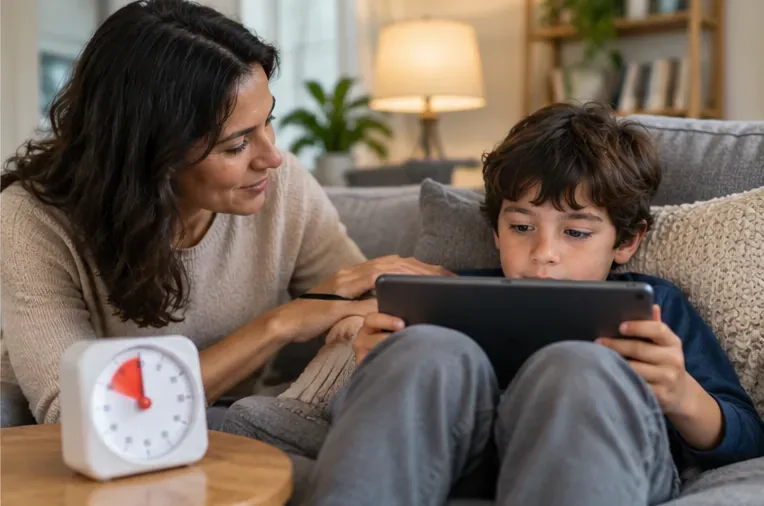
Learn how to set screen-time boundaries with predictable routines, warnings, calm follow-through, and better transitions—without turning every device handoff into a fight.
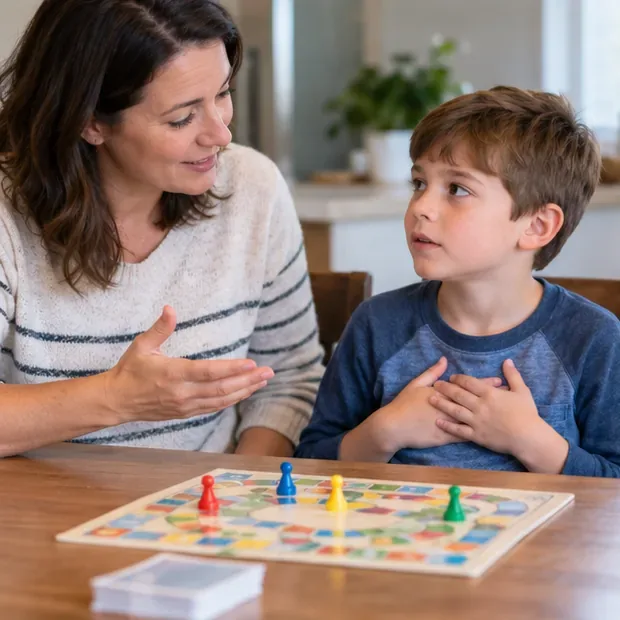
Teach children to handle losing without shame or explosive anger by validating feelings, setting behavior limits, modeling recovery, and practicing at the right difficulty.
A calm, practical plan for after-school meltdowns: reduce overload, keep limits clear, track patterns, coordinate with school, and know when to seek help.
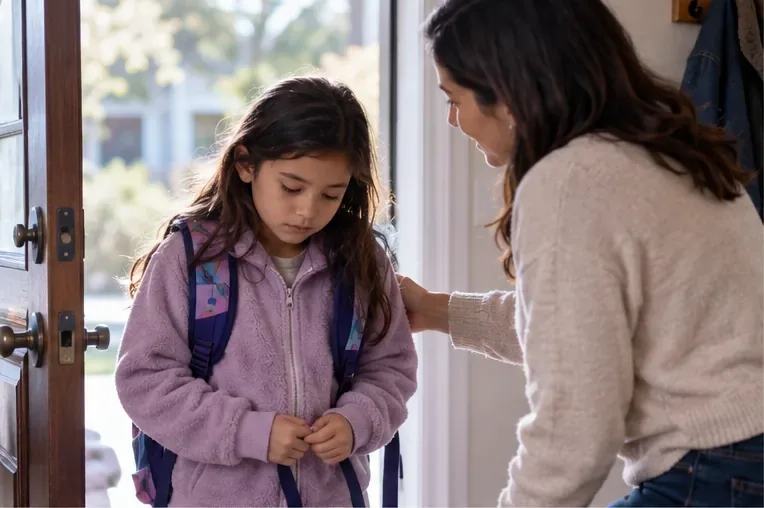
Learn how to respond when a child feels unwanted, ask supportive questions, recognize bullying or ongoing distress, and know when to seek extra help.
Learn how to set up a shared bedroom for siblings with different bedtimes, from planning around age-based sleep needs to creating separate sleep spaces and quiet routines.
Compare full-day, gradual, and temporary at-home return plans, plus health checks and school supports that can help a child reenter safely.
Learn when a child can try to solve a friendship problem, when adults should step in, and how to tell whether support is helping or needs to change.