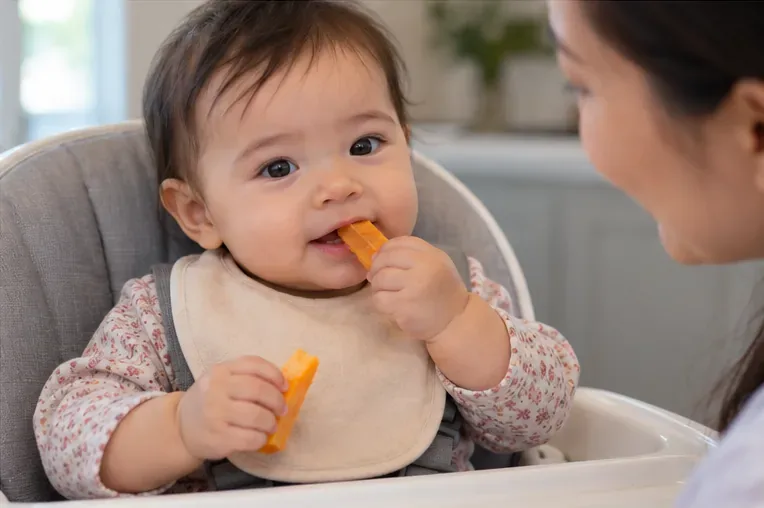
Preparing a 1-year-old baby's menu not only helps mothers easily organize their baby's diet, helps their children get used to a variety of foods and flavors, but also ensures that your baby has all the necessary nutrients. The following delicious dishes will be a good candidate for you to add to your baby menu collection!
content
The nutrients needed in the menu for children 1 year old
Daily menu for 1 year old baby
Menu for children 1 year old on 1
Menu for children 1 year old on 2
Menu for children 1 year old on 3
Menu for children 1 year old on 4
Menu for children 1 year old on 5
Menu for children 1 year old on 6
Menu for children 1 year old on 7
The nutrients needed in the menu for children 1 year old
The nutritional needs of a 1 year old baby are quite high to meet the important development steps in motor and cognitive skills. The 5 essential groups of nutrients include: carbohydrates (starches, sugars and fiber), proteins (proteins), fats, vitamins, and minerals. Carbohydrates are present in grains, potatoes, cassava ... Protein is present in meat, fish, poultry, shrimp, legumes ... Fat is present in vegetable oils, nuts, and fish. fat ... Vitamins are found in fruits, vegetables. Important minerals such as zinc, calcium, selenium, magnesium, calcium and potassium are found in milk, eggs, fish and shrimp, vegetables, fruits ...

The menu for 1 year olds still includes soft foods that are easy to chew and swallow
From there, it can be seen that the diverse menu, frequently changing dishes, will help the baby absorb all the necessary nutrients.
Daily menu for 1 year old baby
Here are 7 daily menus for 1 year old babies that mothers can apply for their babies. Mom can taste according to baby's taste, but should not overdo sugar, salt or any other spices because this is not good for baby's kidneys. Mother should also avoid giving the baby spicy and hot foods because the child may burn the oral mucosa.
Menu for children 1 year old on 1
Morning Noon - Evening Evening
Main meal: Pork porridge, pumpkin + milk
Snack: Orange juice
Lunch: Oat soup, shrimp, turnip + fruit
Snack : Flan cake + milk
Green bean porridge, minced meat, yams
Milk
Menu for children 1 year old on 2
Morning Noon - Evening Evening
Meal: Rice and shrimp, pork belly + Milk
Snack: Passion fruit juice
Lunch: Chicken porridge, carrots and mushrooms + fruit
Snack : Toast + yogurt
Broken rice, potato beef soup
Milk
Menu for children 1 year old on 3
Morning Noon - Evening Evening
Meals: Wonton shrimp meat, quail eggs + Milk
Meal: Cool water
Lunch: Broken rice, zucchini soup cooked with shrimp, steamed eggs with meat + Fruit
Snack : Pancakes + lemon juice
Pork rib porridge removed, sweet potatoes
Milk
Menu for children 1 year old on 4
Morning Noon - Evening Evening
Meals: Noodles, beef, carrots, onions + Milk
Snack : Yogurt
Lunch: Brown rice porridge, oats, red beans, minced meat + Fruit
Snack: Sticky rice + Orange juice
Sweet potato soup, boneless fish, turnip and broccoli.
Milk
Menu for children 1 year old on 5
Morning Noon - Evening Evening
Main meal: Beef & vegetable porridge + Orange juice
Meal: Milk
Lunch: Egg rolls, crab sticks and soft stewed vegetables
Snack: Boiled corn + Fruit juice
Salmon, carrot, pumpkin, green vegetables porridge
Milk
Menu for children 1 year old on 6
Morning Noon - Evening Evening
Meal: Salty cake + Fruit
Meal: Milk
Lunch: Broken rice, susu soup, braised meat + Fruit
Snack: Fruit yogurt
Porridge with shrimp, meat, green vegetables, pumpkin
Milk
Menu for children 1 year old on 7
Morning Noon - Evening Evening
Main meal: Vermicelli with ribs + Yogurt
Meal: Milk
Lunch: Crab porridge with green beans, onions + fruit
Snack: Fish sandwiches
Broken rice, Shrimp fried eggs, amaranth soup
Milk
With a menu for children 1 year oldDiversified and divided into many meals a day, mothers will not need to worry when babies do not eat much at a certain meal or snack, because soon, babies will be continuously replenished with new foods. . However, preparing many dishes in a day requires a lot of effort and time from the mother. If it is not convenient to do this, mothers can prepare ingredients such as minced meat, ground shrimp, ground vegetables on weekends and let them freeze. Every day, mothers only need to take out a portion of the ingredients that have been prepared to make food for the baby. With snacks, mothers can repeat 1-2 times the familiar dishes with their babies, no need to change dishes every day. The most important condition is to let the baby eat according to taste, not forcing the baby and the mother herself not to pressure herself. For low weight babies, weight gain is slow or obese, overweight, mothers can consult a doctor to have a menu suitable for the baby's condition.
![The menu for babies 1 year old for 1 week is full of flavors]()
Nutrition for your toddler (Part 1) You notice your baby starts to get taller and act like an adult. However, the child's nutritional needs are still very different from ours. Children need many different types of substances to develop comprehensively. Typically, children will need more fat and less fiber than adults.