After a while of waiting, the baby's first teeth have begun to pop out of the gums. Gradually, the baby's smile will begin to shine thanks to two fully grown white teeth. These baby teeth will hold room for future adult teeth and assist your baby in chewing food and pronouncing it properly.
You can start caring for your baby's teeth even when the real teeth are not yet coming out. At this time, there is no need for a toothbrush and toothpaste, but instead a small cloth, soft gauze or tongue patch, which is widely sold in drugstores.
Soak a soft cloth in warm water and gently wipe your baby's gums. Cleaning gums after eating and before going to bed helps keep teeth healthy and prevents early baby tooth decay.
Switch to the brush once the teeth are in place
As soon as the first teeth appear in the lower jaw, the mother can practice the baby to get used to the brush. Note, choose a soft bristle brush specifically for teething babies. The finger-tip toothbrush designed for babies is usually soft and easy for mothers to care for babies.
First, you need to prepare a towel, a thumbbrush, baby toothpaste and a glass of water. Stick the toothbrush on your index finger, squeeze out some toothpaste (about the size of a grain of rice) and start brushing your baby's teeth from the front to the back. Then, use a cloth soaked in water and wipe your baby's teeth again.
When your baby is 1 year old, you can use a children's toothbrush, but the brushing steps are the same. Choose a soft bristle brush, small tip and large handle and brush your baby's teeth from front to back. After the baby is 3 years old, the amount of toothpaste that the mother uses will need to increase a little, about the size of a pea.
You will continue to be the one directly taking care of your child's teeth until they are able to brush themselves, usually when they are 6 years old.

Children under 6 years old often do not know how to handle a toothbrush and rinse
Remember to follow up to promptly recognize any signs of tooth decay. These are brown or black spots or holes in the baby's teeth. Right now, take your baby to the dentist.
If there are no problems, your baby still needs to visit the dentist at 1 year for the first dental visit. You will be advised on how to take care of teeth, how to use toothpaste and how the baby's hand sucking affects the teething process.
![Baby teeth need care like?]()
Baby with cavities: 10 ways to brush off the worry of caries in your baby Did you know that when your baby's front teeth appear a white opaque strip, it means your kid has tooth decay? Tooth decay causes soreness, infection and can even affect your baby's growth. However, if you know how to take care of your teeth, you can help your baby ...
Track your baby's teething time
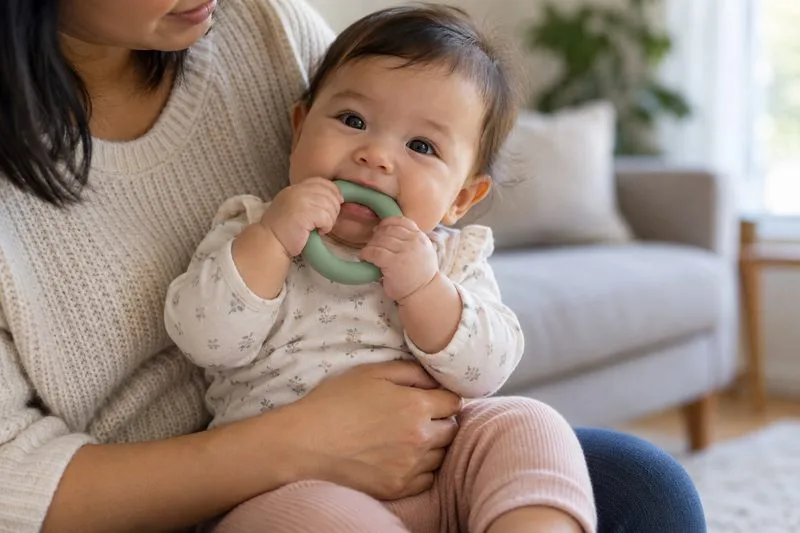
It takes about 2 years for the first teeth to fully emerge. Teething babies can be accompanied by fevers and irritability that make parents quite difficult. In addition, your baby may also experience swollen gums or a lot of drooling. During this teething stage, parents have to do their best to help their children feel more comfortable. Don't get angry with the baby, mom.
![Baby teeth need care like?]()
Baby teething: Mom needs to know what and how to help children teething not tear When teething, your baby may present some disorder in the body, such as fatigue, very fussy, crying, little sleep, irritability difficulty bear and often induce parents.
Prevent tooth decay
In your baby's daily menu, you should limit juices, sodas, sweets because bacteria in your baby's mouth will consume sugar and release acids that damage teeth. If your baby sucks on a pacifier or takes a bottle before going to bed, don't add sweet syrup or honey or sugar to avoid conditions for bacteria that cause tooth decay.