How to Teach Chores Without Redoing Every Task for Your Child

Teach kids to do chores with fewer reminders: set a clear finish line, model one task, step back, and correct only what is unsafe or unfinished.
When a child is burned, if there is no timely first aid, the baby's immature skin will be severely damaged. You need to equip the basic knowledge to prevent and treat your baby.
Burns in young children, especially those caused by boiling water, are common and can be treated at home. However, for more severe forms of burns, your baby needs special treatment from doctors. How many levels of burns are there, how can I first aid and prevent them? The following article will help you better understand this issue.
Understanding the possible causes of your child's burns will help you to prevent and provide appropriate first aid.
Burns caused by boiling water from water in the bath, water from coffee cups, hot food, boiling oil, boiling soup, water in a water bath ...
Burns due to contact with hot objects, heat-generating objects such as stoves, irons, heaters ...
Burns caused by chemicals are extremely dangerous: babies can swallow detergents, watch batteries, iron glue ... or directly contact them through the skin.
Burns caused by electrical contact
Heat burns caused by prolonged exposure to the sun.
Burned children can be divided into 3 levels: first, second and third degree burns, depending on the extent of the child's skin damage. All types of burns in children need immediate first aid treatment to avoid the wound spreading and deep inside the tissues and epidermis if the burn is severe.
This is the slightest degree when a child burns, the burn is limited to a small part of the top skin layer.
Signs: Red, tender, tender skin. The skin is still dry and not blistering.
Time to heal: The skin can heal after 3 - 6 days. The new skin layer will regenerate on the peeled skin within 1-2 days.
The burns are more severe and spread deep below the top layer of skin.
Signs: The burn causes blistering, redness, burning and extremely painful skin. A fluid-filled blister sometimes breaks, revealing pale pink or cherry red skin.
Recovery time: The healing time for each baby varies depending on the severity of the burn, usually 3 weeks or more.
Grade 3 burns are the most serious, damaging deep inside the skin below the layers of the epidermis.
What: The surface of the skin is dry, looks waxy white, brown or darker. You may feel no pain or numbness at first in the area of severe burns.
Recovery time: The time to recover the wound will depend on the level of damage to the baby's skin. Babies need special treatment with many medical tools and specialized techniques such as skin grafting to restore healthy skin for them.
Take your child to the hospital or doctor immediately in the following cases:
You suspect and notice that your baby has suffered a severe burn of 2 or 3.
The wound area is quite large (about 5 - 6cm), even if the burn looks very light. In any case, if the burn spreads to more than 10% of the body, get your baby to the hospital immediately. Do not arbitrarily use a cold pack or apply ice to the wound to avoid a sudden drop in the child's temperature. Instead, cover the wound with a clean, soft cloth or cloth and take the child to hospital.
The cause of the burn is fire, electricity or chemicals.
Burns on the face, groin, genital area, burns in the joints, hands ...
There are signs of a serious swelling in the area around the burn.
You can do the following:
Remove the child from heat immediately
Remove clothing immediately
Flush cool (not cold) water over the burned area. If there is no water available, you can use any form of cool liquid that you can drink. If the child burns his hand, he can put his hand in a bucket of rice. Rice has a water-absorbing effect and is very cool. This is a trick many people use. Absolutely do not use ice because it will make the wound more serious
Do not rub any type of butter, grease or sprinkle any powder on the wound to minimize the risk of infection
Apply aloe vera or topical burn creams to the wound. Can be applied 3 times per day
Relieve your child's pain with acetaminophen or ibuprofen as directed by your doctor
The following steps are needed:
Get your child to the hospital as quickly as possible
During that time, it is necessary to keep the child lying down, raising the burned area
Follow the first aid steps in the form of a first degree burn above
Carefully remove all jewelry or clothing around the burned area, you can use scissors
Does not break water bubbles due to blistering
Apply cool water around the burned area for 3 - 5 minutes until medical assistance is available.
It's not always possible to protect your child from accidents and injury anytime, anywhere, but these simple steps will help reduce the risk of your child getting burned at home:

Keep lighters, chemicals, candles, iron glue ... out of reach of children
Keep electronic devices and appliances in a safe place for children
Check the power line, remove the old, broken wires, handles, plugs ...
Make sure older children know how to safely use your iron
Be careful when letting young children bathe or bathe with hot and cold water
Do not let young children use a walker in the kitchen area
Make a base to keep the water bottle to prevent falling
For children under 6 months old, do not bring the baby in the sun
Preservation and storage of detergents safely on high
Test the water before giving your baby a warm bath.
Prevention is better than cure, a medical medicine cabinet in the house is just a necessary condition. In order to limit the problem of your child getting burned, you can pay attention to the above issues during baby care.
Teach kids to do chores with fewer reminders: set a clear finish line, model one task, step back, and correct only what is unsafe or unfinished.
Learn why toilet-trained children may start having pee or poop accidents again, what patterns to track, how to respond calmly, and when to call the pediatrician.
A child may repeat a reassurance question to process information, seek connection, or manage worry. Learn how to respond and when persistent anxiety needs support.
Learn how to set screen-time boundaries with predictable routines, warnings, calm follow-through, and better transitions—without turning every device handoff into a fight.
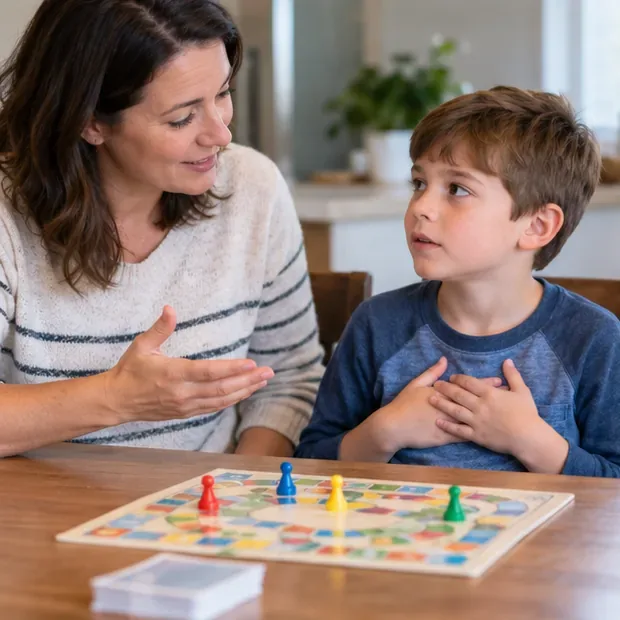
Teach children to handle losing without shame or explosive anger by validating feelings, setting behavior limits, modeling recovery, and practicing at the right difficulty.
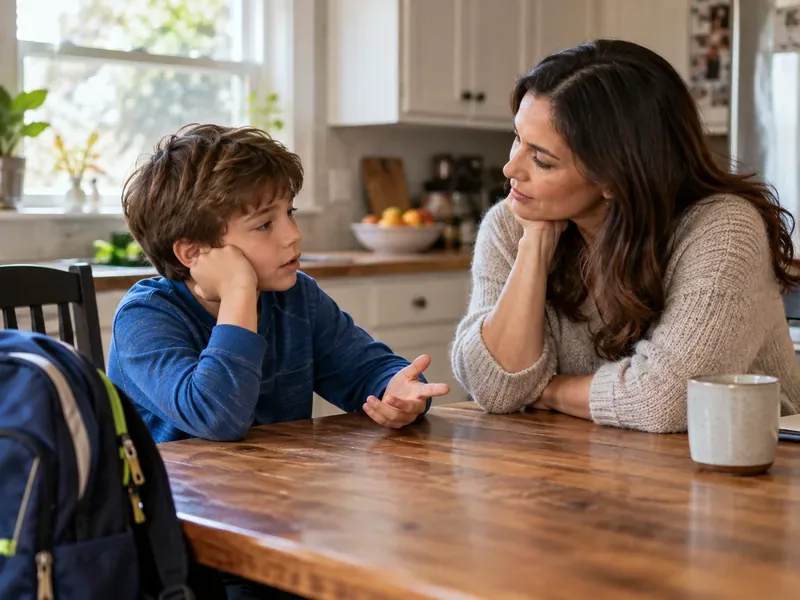
A calm, practical plan for after-school meltdowns: reduce overload, keep limits clear, track patterns, coordinate with school, and know when to seek help.
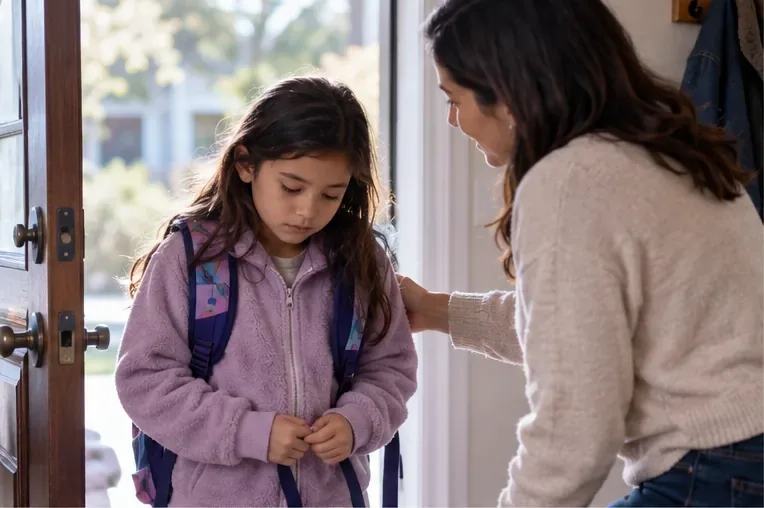
Learn how to respond when a child feels unwanted, ask supportive questions, recognize bullying or ongoing distress, and know when to seek extra help.
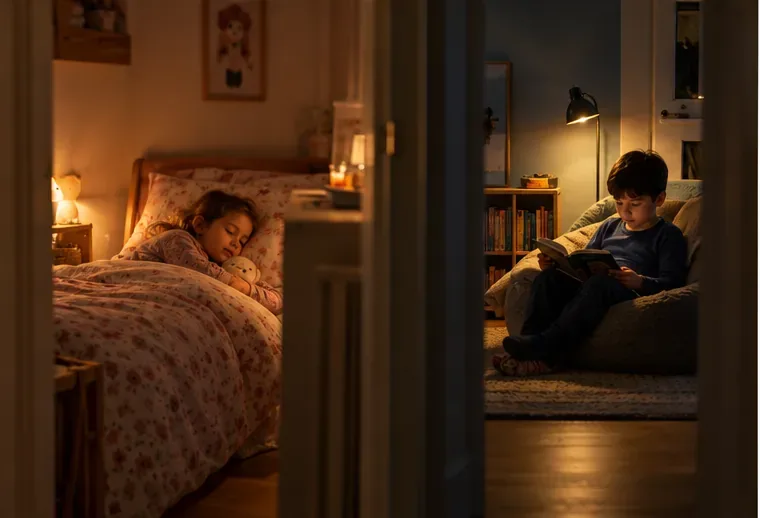
Learn how to set up a shared bedroom for siblings with different bedtimes, from planning around age-based sleep needs to creating separate sleep spaces and quiet routines.
Compare full-day, gradual, and temporary at-home return plans, plus health checks and school supports that can help a child reenter safely.
Learn when a child can try to solve a friendship problem, when adults should step in, and how to tell whether support is helping or needs to change.