What Helps a Child Return to School After a Long Absence?
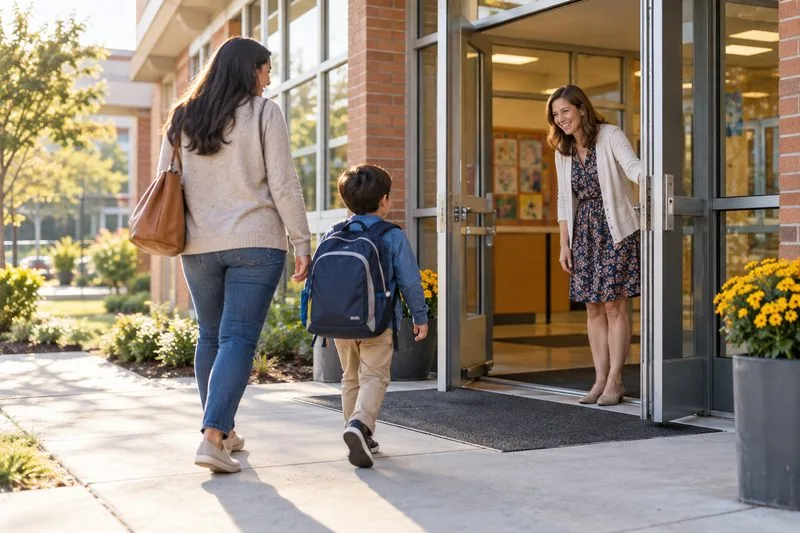
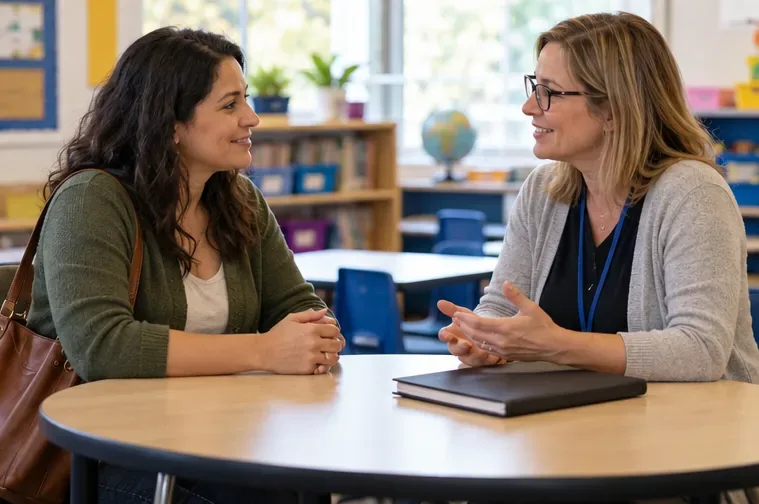
Compare full-day, gradual, and temporary at-home return plans, plus health checks and school supports that can help a child reenter safely.
At a time you have 2 babies is extremely happy. However, the bigger the twins are, the more conflict arises is inevitable. As a parent, you should teach children how to resolve conflicts and explain to them about bad behaviors.
During the first few months of the birth of the twins, you will be very busy and rarely think about the future. However, the older the babies are, the more you will find that caring for and raising twins is a real challenge. "How when two twins fight?". Let's join aFamilyToday Health to follow the below sharing to find out how to handle it.
Like many siblings, it is quite common for twins to fight. This happens when the baby enters toddler age. The cause of a fight is often a fight for a toy or a baby accidentally hurts another. Beat, bite, pull hair, cry ... are common behaviors when babies have conflicts. This condition is completely normal and is part of a baby's development. Even, over time, conflicts also help children discover themselves and form their own personalities.
Although fighting twins is not a concern, you need to have a solution to not affect the relationship between the babies. You can resolve this situation in the following ways:
Every time you see two twins fighting, you should run and fight. To be fair, have each child explain why they fight. This will give both babies a chance to express their point of view. After listening to the two babies, you can make a decision.
When dealing with this issue, it's important to be fair. If you show a bias towards one baby, the other will feel pity, which can make bad behavior worse.
Breaking rules is often the cause of conflict between siblings. Therefore, you need to make sure that the children follow the rules they set. Explain why the baby's behavior is not correct. Failure to agree to follow the rules will make babies confused. They won't understand the difference between right and wrong. Also, the rules you set should be the same for both babies.
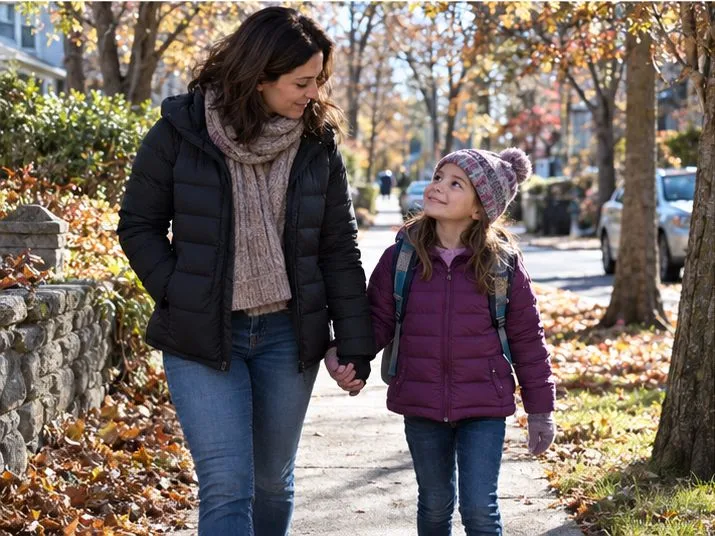
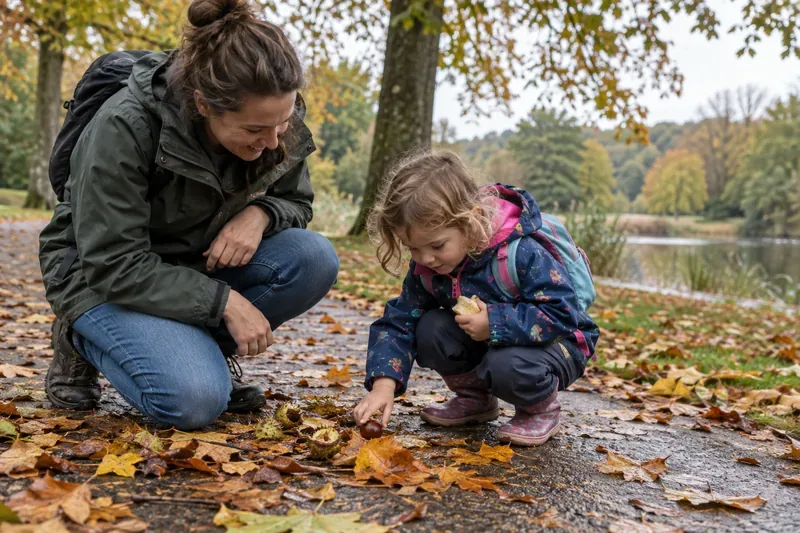
One of the best ways to deal with twins fighting is to take them out. If you are worried that the babies will fight outside, don't worry. Exposure to a new environment will reduce your baby's negative emotions. Perhaps they have been in the house for too long and need to burn all that excess energy. You can take the children for a walk in the neighborhood or to a park near you.
Twins often enjoy learning and playing together. So if you've tried everything and the babies keep fighting, you'd better get a kid out. At this point, the other child will have no one to fight. Gradually, the babies will get back together very quickly.
If you want to stop a fight between twins, then stop yelling at them. If you scream, they will imitate you to get attention. So try something else like taking a deep breath and staying calm. By doing this, you will be a role model for your baby and they will learn to control emotions from you.

One of the methods to limit the conflict between twins is to pay attention to take care of each baby. You can spend time watching movies with this baby and spending time reading books with your other baby. This will help your baby feel your love and the relationships between them will improve.
Try to create situations that require coordination so that twins can work together. This can limit conflicts between babies. Let one child choose your favorite game but the child must agree to play the game with the other child. Encourage babies to take turns making and guiding them gently.
As a parent, it is your responsibility to teach the twins how to deal with conflicts on their own. Most twins want to play together, but they will inevitably have conflicts at some point. Warning to the twins that if you have to deal with the fight again tomorrow, the TV time tomorrow will be halved. This will limit the situation of two twins fighting.
At this age, babies will not be aware of the consequences of their actions. If they bite or push each other, tell them: “This will hurt you!”. If your baby still doesn't hear, try imitating his actions so he can experience the consequences of these actions for himself.
Find out what might be upsetting to them, such as buying only one toy and making two children play together. In addition, babies also tend to fight when they feel tired. Please pay attention, if you see that the baby is at risk of fighting, please intervene immediately.
Fighting is a common problem in twins. Being calm and consistent in all situations is the simplest way to limit fights.
Compare full-day, gradual, and temporary at-home return plans, plus health checks and school supports that can help a child reenter safely.
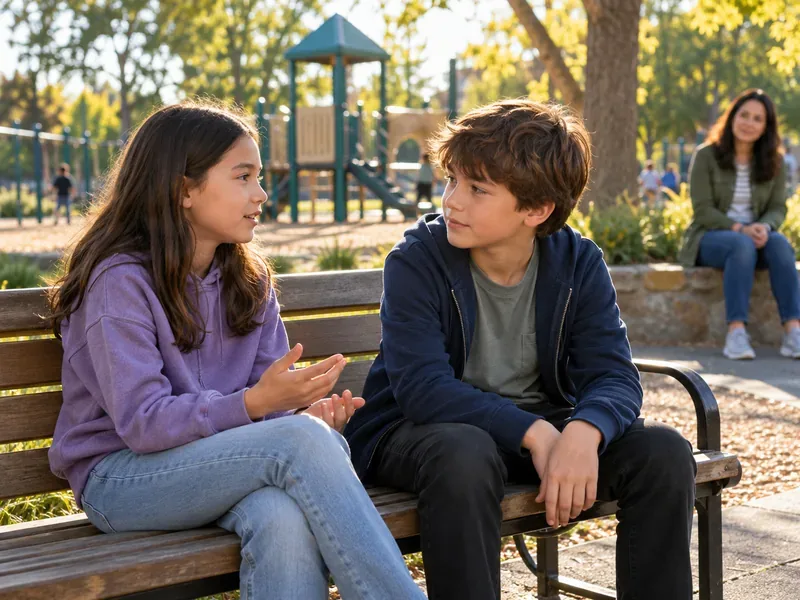
Learn when a child can try to solve a friendship problem, when adults should step in, and how to tell whether support is helping or needs to change.
Separated parents can support better sleep by aligning a few core bedtime rules across homes without making both households identical.
A fair response to a child’s lie is calm, brief, and tied to what needs fixing. Learn how to address the lie, repair harm, and rebuild trust.
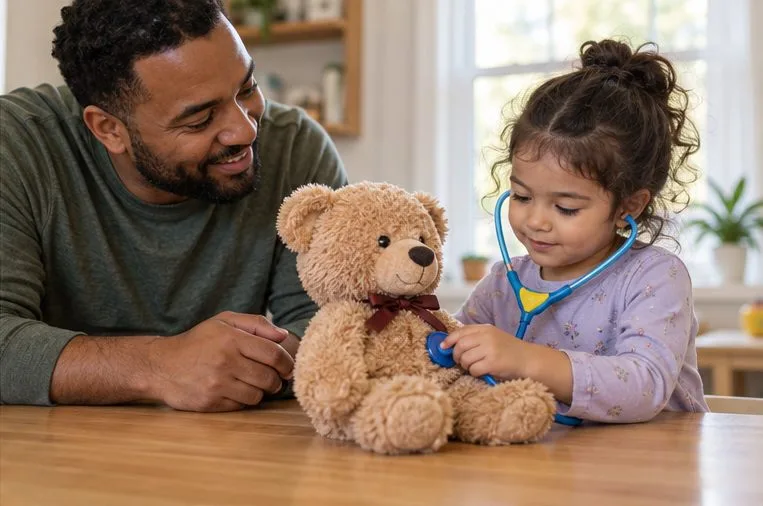
Help your child feel more prepared for a doctor visit with honest, age-appropriate explanations, simple choices, comfort items, and a practical plan for questions or procedures.
When homework runs long, track where time goes, check the task and routine, and work with the teacher if the pattern repeats. Learn what to watch for and when to ask for support.
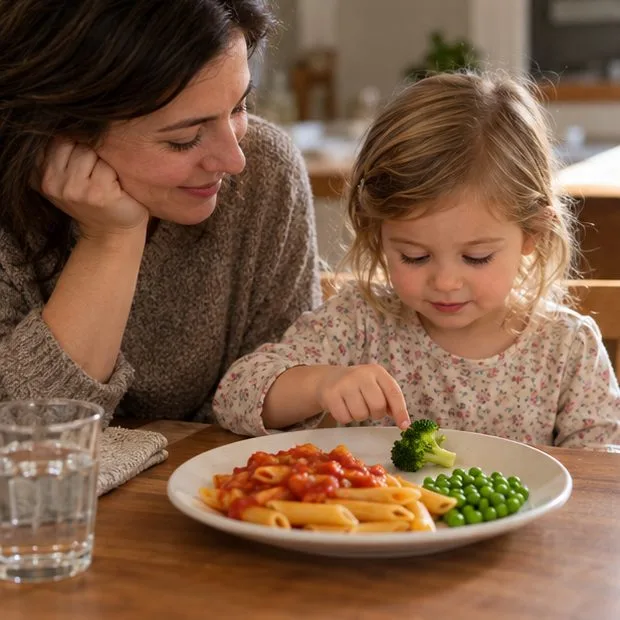
Learn how one flexible family meal, a familiar food, and low-pressure repeat exposure can make dinner easier for picky eaters—plus when to ask a pediatrician for help.
The clocks fall back on November 1, 2026. Use a gentle bedtime plan, familiar routines, and morning light to help your child adjust.
Plan five low-cost October half-term outings with a preschooler, from libraries and museums to parks and art trails. Check dates, booking, and total costs first.
Learn how to determine your baby’s caloric needs, including the calories in breast milk and formula, to ensure your infant gets the right nutrition for healthy growth.