How Two Caregivers Can Follow the Same Baby Sleep Routine
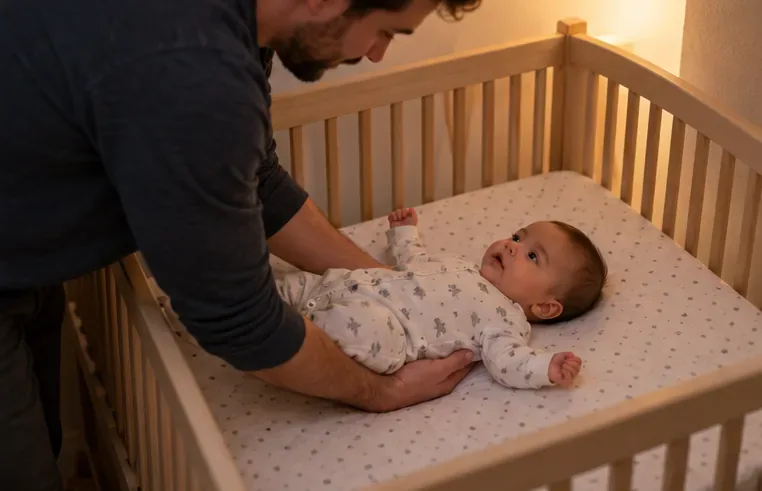
Help two caregivers share a calm, flexible baby sleep routine with a clear handoff, age-aware steps, and the same safe-sleep finish.
“Mine!”, The 3-year-old My screamed with tears, his face red and his arms clutching the doll snatched back from you. A child's scream is the main protest against feeling lost in possessions. Did you know that from the age of 2, according to psychological development, babies have begun to form thoughts about owning.
If parents can follow all their preferences, let your baby hold on to everything he wants to have. Gradually, the baby will never know how to share with others. Babies become selfish and act as if everything is their own. The consequence of this is that when children go to kindergarten, to kindergarten, primary school and even higher levels, they will find it difficult to make friends because they simply don't like sharing. But what is important is that when the source of this selfishness started at the age of two, the baby was not even aware that this was wrong. Therefore, when you see that your child shows "hold on" and acts impatiently, parents should promptly mold the child. Some of the following methods may be useful suggestions:
Help your baby feel safe when sharing
The source of a baby's dislike to share is that he loves the item, fearing others will take it away or damage it. So, when you need to borrow things from your baby, gently explain to them that just borrowing a little will return the same. Take your baby to the clock and point out that when the hand points to what number, your baby's item will be returned. Your baby will feel interesting, focus on the clock and temporarily forget the regret, worrying about having to leave the beloved item.
Two-way exchange
Maybe your baby will feel more satisfactory if there is a two-way communication. Swap the doll, your baby's car with your toy guitar, for example. Children are often attracted to new toys and this two-way sharing will be easier. However, this method should only be used in combination with other methods because if applied too often, over time, it will form "excessive fairness" in children. Children only give away when they are received adequately.

Help your baby realize that playing together is always more fun than playing alone
Help your baby feel happy when sharing
Children will often do what they are happy to do. If you want to make sharing a joy for your child, give them something and ask if they like it. If your child likes it, say that you are happy to see him smiling at the item. Next, have your child do the same thing over again. Let your child lend you a game and have fun playing it. Then ask them if they are happy when you are happy and teach them that making others happy is also fun.
Lessons from stories
Children always love to listen to stories, so teaching them with stories is always a great method that parents should not ignore. Tell your baby stories about people who don't know how to end up. Or like asking children about whether not sharing is bad or good, children will learn a lesson for themselves.
Respect your child's belongings
Babies also need you to respect their belongings. Ask politely to borrow your baby when it comes to his things. Your baby will feel respected and you are a trusted person when sharing things. This will also help your baby develop respect for things and being polite to others.
Never punish children or say that they are selfish because in their immaturity they will not know what selfishness means and only resentment when being punished. Patiently explain to your children that it is always what parents need to do to help their children gradually realize the problem. And above all, how you want your child to behave, be a good role model for yourself.
Help two caregivers share a calm, flexible baby sleep routine with a clear handoff, age-aware steps, and the same safe-sleep finish.
Face or ear rubbing can accompany tiredness, but it is not a diagnosis. Learn common explanations, what to watch for, and when to call the pediatrician.
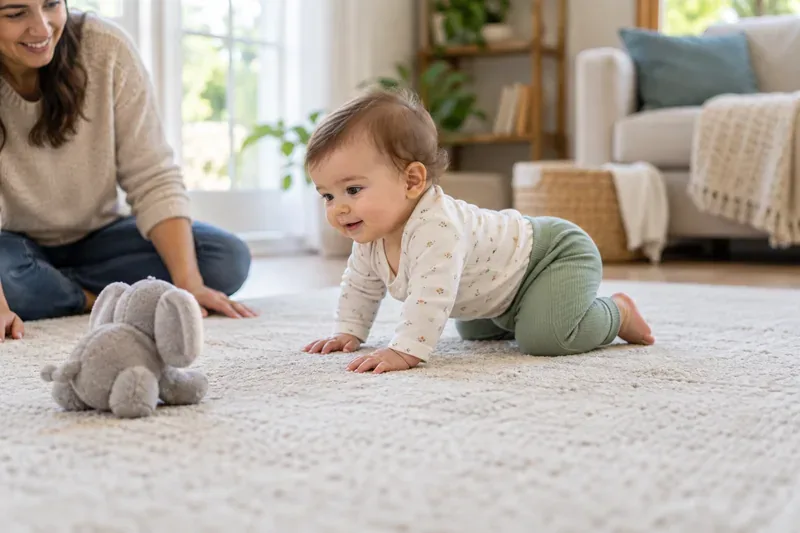
Babies may scoot backward as they learn to coordinate their arms and legs. Learn what is common, how to encourage safe floor play, and when to ask a pediatrician.
Recurring diaper rash may be linked to ongoing irritation, diarrhea, yeast, product sensitivity, or another skin condition. Learn what to track and when to call the pediatrician.
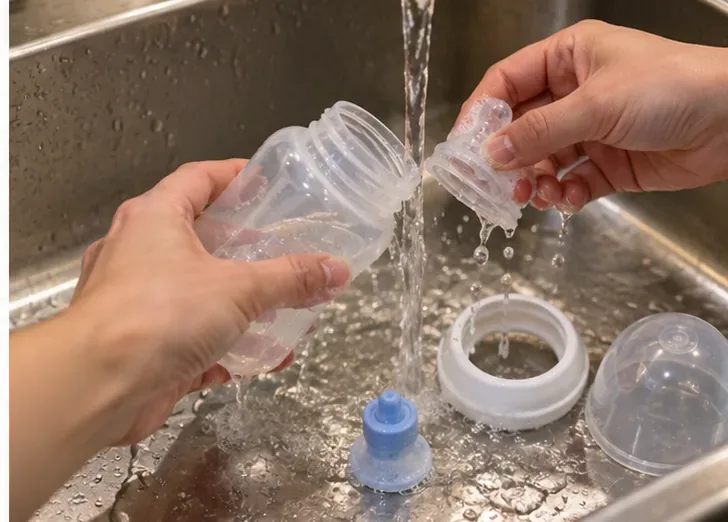
Learn a safe, practical way to hand-wash bottles and feeding equipment while traveling, including rinsing, air-drying, sanitizing, and safe-water tips.
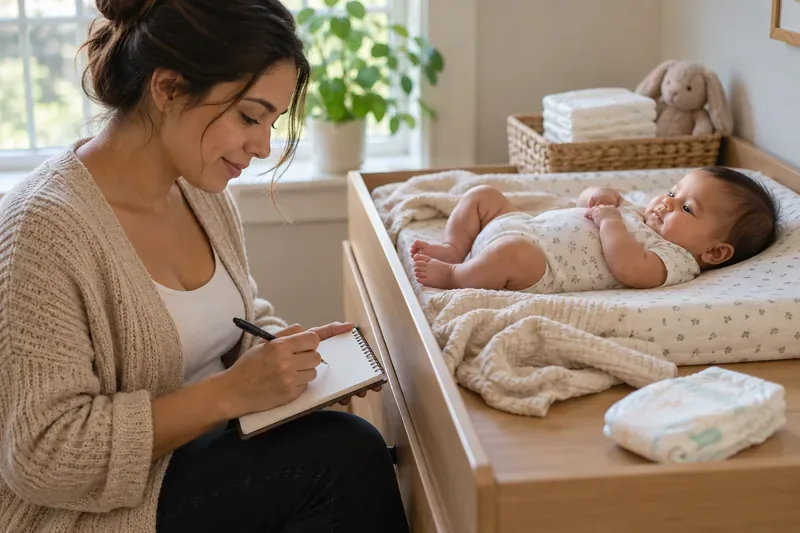
Learn how to track a baby’s wet diapers, feeds, urine changes, and warning signs—and when a drop in output needs prompt medical advice.
Keep your baby comfortable in a simple Halloween costume, take a few quick photos, and follow practical guidance for warmth, car seats, and safe sleep.
Discover the key signs of newborn fast breathing, learn how to identify pneumonia risks, and explore effective solutions for infant respiratory health. Stay informed about your baby
Discover the best cooking oils for 6-month-old babies to ensure proper nutrition and development. Learn why fats are essential, how to use them, and which oils are most beneficial for your baby’s health.
Discover essential baby development milestones from 3 to 6 months old. Learn how to support your baby’s growth with expert tips and activities for better bonding and development.