How Two Caregivers Can Follow the Same Baby Sleep Routine
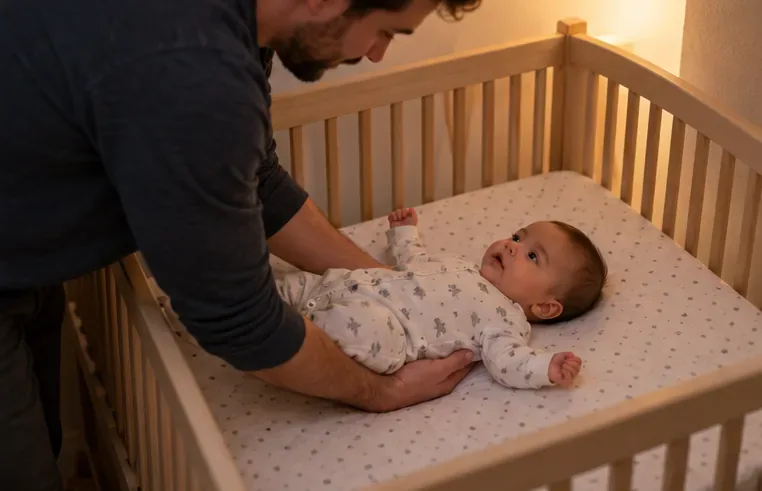
Help two caregivers share a calm, flexible baby sleep routine with a clear handoff, age-aware steps, and the same safe-sleep finish.
Not merely a way of conveying messages about physiological needs, few mothers know that crying is also essential for the normal formation and psychological development of children.

Surely every mother knows how to cry is a baby's "special" way of communication. But that's not all ...
1 / Signs of life
Surely you will never forget your cry on the first day of coming to the world. At this time, crying as a confirmation of the baby's survival. The louder the crying shows that the baby is very healthy, and ready to "welcome" factors from the surrounding environment.
Even, the doctor will use some methods such as slapping the buttocks, the legs to "force" the baby to be born. Have you seen that my crying is important enough?
2 / How to communicate with the world around
Of course, infants cannot speak, and they can only communicate and express their wishes through crying. If you regularly monitor your baby's crying, the mother will easily detect the baby's "signals": when the baby wants to eat, when the baby asks for "poop" or when the baby feels uncomfortable ...

Decoding the baby's cry Not just tired, hungry or nappy, your baby's cry also carries many other meanings. If you are a first-time mother, you may need a little "help" to understand exactly what your baby is trying for.
3 / Necessary for your baby's psychological development
Along with other expressions on the baby's face such as smiling, crying, pouting, ... crying is also one of the necessary expressions for the child's formation and psychological development.
If your baby is unable to cry when it is sad, or has unusual extremes, he or she may have a psychological problem or a developmental brain. So, if you see that the baby has unusual signs, the mother should take the baby to the doctor for more careful examination.
4 / "Exercise" exercise
No need to struggle with exercises like your mother , just cry, for me it is a "exercise" already, mom.
Like smiling, when crying, babies also "stretch" and help their facial muscles work more. In addition, every time "tears", there are hardly any babies who regret not "donate" more to their mother with some accompanying limbs. Even a baby even twists his body, objects up and down with each sob.

Babies cry: 11 reasons mothers need to know Babies never cry when there is no reason. That is how babies show that they are hungry, in pain, scared, needing sleep and so on ...
5 / Help mothers grasp the psychology of children
Unlike adults, children express their true feelings through each time they cry or smile. Therefore, the mother can easily grasp the child's emotions, and from there understand him better.
Although crying plays an important role in the development of babies and children, mothers should not let their babies cry too much and for too long. Particularly note some cases of babies crying to "alarm" their mothers about their health problems.
>>> See more discussions with related topics:
Help two caregivers share a calm, flexible baby sleep routine with a clear handoff, age-aware steps, and the same safe-sleep finish.
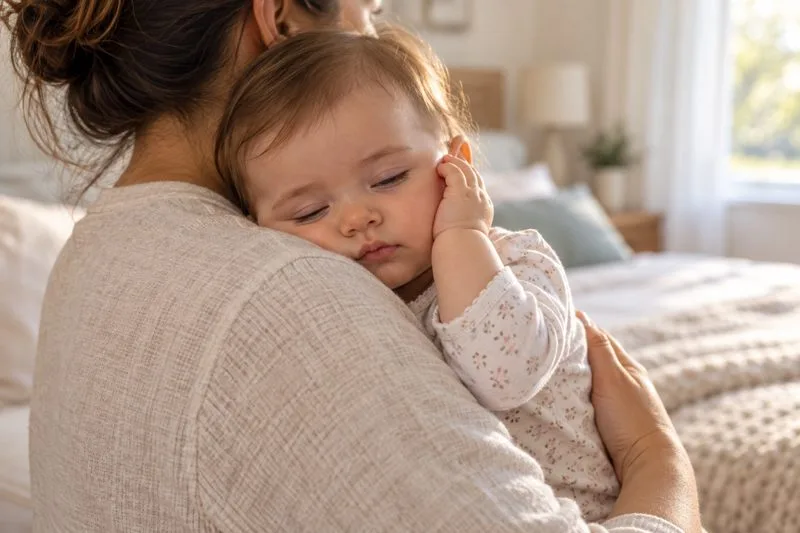
Face or ear rubbing can accompany tiredness, but it is not a diagnosis. Learn common explanations, what to watch for, and when to call the pediatrician.
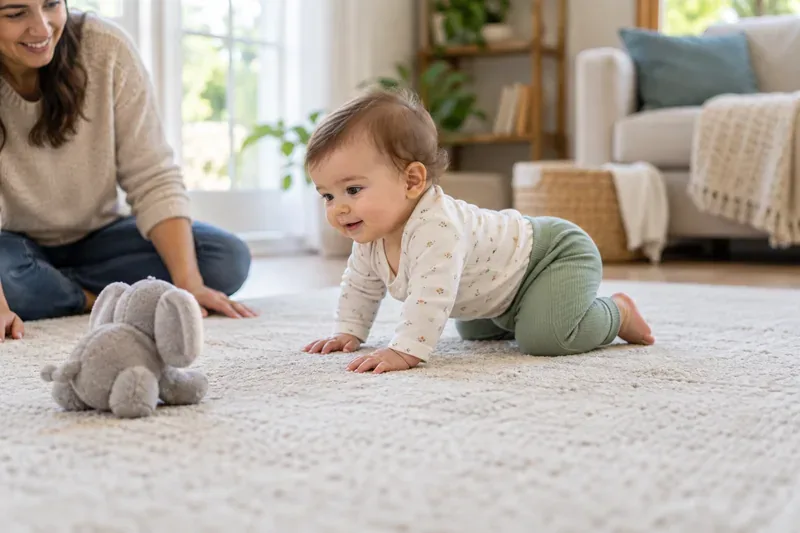
Babies may scoot backward as they learn to coordinate their arms and legs. Learn what is common, how to encourage safe floor play, and when to ask a pediatrician.
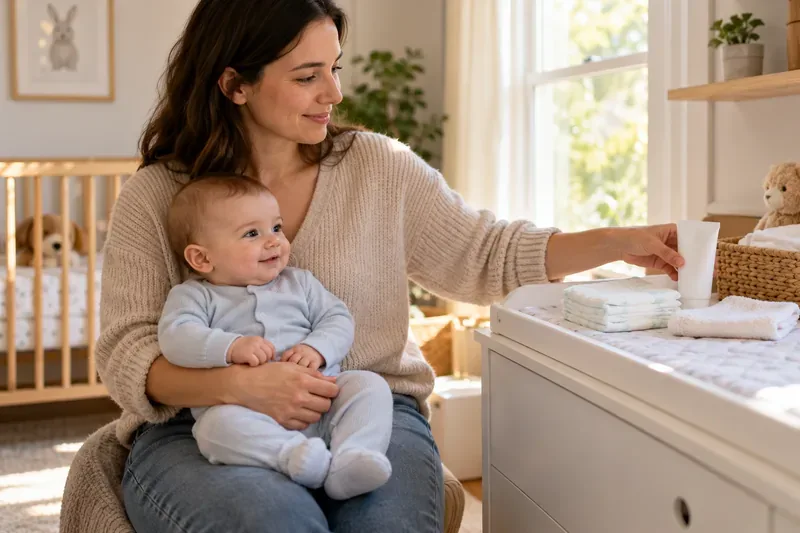
Recurring diaper rash may be linked to ongoing irritation, diarrhea, yeast, product sensitivity, or another skin condition. Learn what to track and when to call the pediatrician.
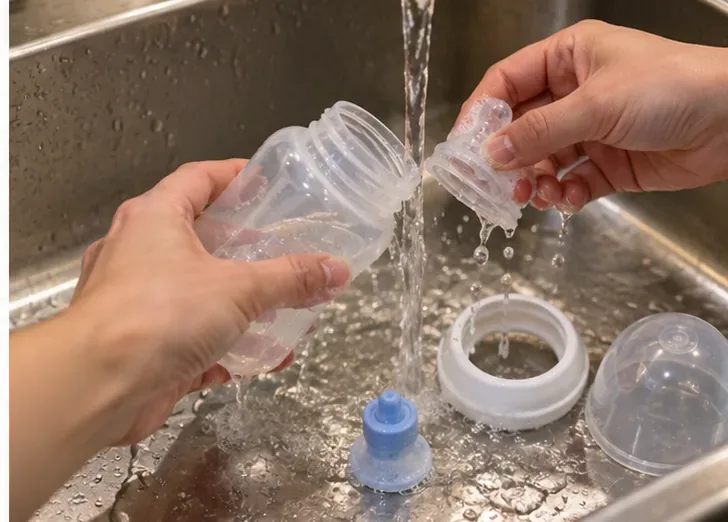
Learn a safe, practical way to hand-wash bottles and feeding equipment while traveling, including rinsing, air-drying, sanitizing, and safe-water tips.
Learn how to track a baby’s wet diapers, feeds, urine changes, and warning signs—and when a drop in output needs prompt medical advice.
Keep your baby comfortable in a simple Halloween costume, take a few quick photos, and follow practical guidance for warmth, car seats, and safe sleep.
Discover the key signs of newborn fast breathing, learn how to identify pneumonia risks, and explore effective solutions for infant respiratory health. Stay informed about your baby
Discover the best cooking oils for 6-month-old babies to ensure proper nutrition and development. Learn why fats are essential, how to use them, and which oils are most beneficial for your baby’s health.
Discover essential baby development milestones from 3 to 6 months old. Learn how to support your baby’s growth with expert tips and activities for better bonding and development.