How to Introduce a Bottle When a Breastfed Baby Refuses It
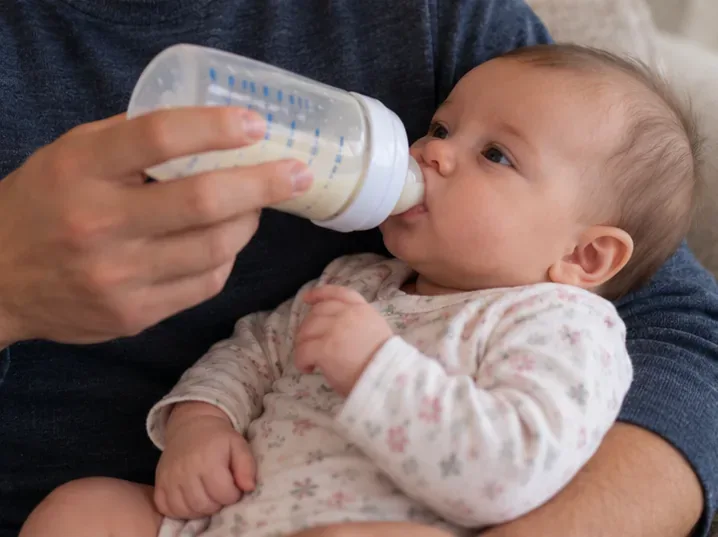
A practical guide to bottle refusal in breastfed babies: compare timing, caregiver, nipple flow, milk temperature, paced feeding, and when to get help.
Most parents often find it difficult to make their children happy with eating and eating scientifically. However, positive and healthy eating habits are completely “training” and can start to be effective right from the infancy stage.
Here are the "tricks" to help parents reduce stress in their children's eating, and at the same time foster the child to have the correct attitude towards the food that the baby is receiving every day.
1 / To teach children to eat positively, what should be noted?
Don't preach
Children in the period 0-2 years old will hardly understand how to eat this dish well, the other dish will not and it is even more difficult to imagine when the mother says: "Other friends can't eat it. The best thing is to just stop at: "This dish is very delicious, honey!", That's enough.

Please remember to memorize the saying "eating is fun" before stepping into the process of training children to practice positive eating habits.
Be a good example
One of the most important ways to teach children to eat is to show examples of good eating habits. Children will not know how fun and enjoyable eating is when they do not see their parents or loved ones eating and drinking with interest. That encourages children to imitate and form habits. Because if you always eat dry, don't expect your kids to enjoy eating vegetables. If you eat and drink packaged foods like french fries, drink soft drinks,… then of course kids think they can do that too.
Eat new foods when you are hungry
Young children have a hard time getting new foods. So how do children like to eat new and delicious foods? The greatest appetite is when hungry, so wait until the baby is hungry, then serve up, you will definitely receive a good signal to eat from the baby!
Snack, low in sugar, not salty
Do not force your child to eat too full and do not keep the concept of having to eat something for sure. Young children are most important to eat enough. In addition, children are very active, so the more they eat, the more likely they are to vomit, which makes them more afraid to eat.
Children often love sweet, but eating too many foods or drinks high in sugar can cause a variety of health problems such as obesity and tooth decay. Therefore, mothers should not "support" by giving the baby sugary foods while minimizing the seasoning when cooking for the baby to protect the intestines and taste.

Stimulate the baby's taste buds in 10 steps Baby's taste buds begin to develop very early, even while the baby is still in the womb. After birth, taste gradually develops and natural curiosity will help your baby explore the vast world around him, and help distinguish between foods or flavors that like or dislike.
2 / P flavor fostering positive eating habits for children
Decide what and when to eat
As soon as your baby is born, the timing of each feed you have to schedule and fix. Whether it's bottle or breast milk, follow a clear schedule. If your baby refuses to take a single meal, skip it and wait until the next time frame to breastfeed. Children may be a little hungry, but then they will become more disciplined. Eating at the right time and at the right time is the first positive eating habit to practice.
Children may not like to eat vegetables, not to the taste of fish, ... but the mother will be the one to decide. This is the easiest bending stage that parents should not ignore.
To encourage children, can "give" with a few favorite foods in the menu to "seduce". Remember that enough quality is a top priority, and at the same time do not over-spoil the child's taste. According to research, children under 24 months tend to be open and welcoming when introduced to new foods, and can learn to get used to food very quickly after a few tries (although it can be The first food the baby refused)
Do not prolong meals
If the child takes the meal too long, the mother should be the one to end that long "movie". Because when children do not eat enough portions, they will become hungry and realize themselves that they must eat faster next time.
Absolutely not force-feeding
The more you are forced to eat, the more it creates a feeling of disgust when you have to eat. If you have to use force, it is considered that the mother has completely destroyed the self-awareness of the child !.
Let your child take the initiative in eating. Without eating, children are very instinctive, so they often cannot tolerate this. Letting children decide whether to eat or not, how much is enough is also a way for them to know how to experience the feeling of hunger, fullness, and loss of appetite to learn from their own experiences in the following meals.
Color when eaten
Most of the atmosphere when children eat boring are parents ... lazy. From the preparation stage, create eye-catching dishes with rich forms and colors to stimulate the eyes, thereby inspiring the taste. Talking to your baby while feeding is also a way to create a happy atmosphere for children, making them more interested. Parents should be the ones who form a conditional reflex for their child, that is a time of eating and drinking is a time of fun and joy.
Let children taste many flavors from early
Do not give solids before the baby is 16 weeks old. Starting at the right time when your baby is ready will both limit the child's ability to vomit food and provide a positive experience with eating.
In addition, teach children to eat a variety of foods right from the moment of eating, such as vegetables, fish, meat, cheese ... The sooner a child gets used to many flavors, the easier it is to eat in the future. If the child reacts strongly to a certain person, the referral can be stopped at another time. The important thing to keep in mind when feeding your baby is whether or not your baby has a food allergy ?

6 things you should not ignore if you want your child to be smart Many scientists have shown that, apart from genetic factors, there are many other factors that can affect your child's intelligence. You should pay special attention to the following things in order not to miss the opportunity to help your baby smarter!
Limit time watching TV
Let children watch TV while eating is the worst habit that Vietnamese parents are prone to. When children eat while watching TV, they will not know what they are eating, completely lose their appetite and enjoy eating. This also affects the taste and psychology of the child. Many studies show that children lose fat when they do not watch TV while eating.
In short, active eating does not focus on how much or less the baby eats, but rather builds a habit of focusing on food, eating for the child, making the child enjoy and delicious.
>>> See more discussions with related topics:
Handbook tips for anorexia children
Do not force your child to eat by "offering a bonus" with money
A practical guide to bottle refusal in breastfed babies: compare timing, caregiver, nipple flow, milk temperature, paced feeding, and when to get help.
Help two caregivers share a calm, flexible baby sleep routine with a clear handoff, age-aware steps, and the same safe-sleep finish.
Face or ear rubbing can accompany tiredness, but it is not a diagnosis. Learn common explanations, what to watch for, and when to call the pediatrician.
Babies may scoot backward as they learn to coordinate their arms and legs. Learn what is common, how to encourage safe floor play, and when to ask a pediatrician.
Recurring diaper rash may be linked to ongoing irritation, diarrhea, yeast, product sensitivity, or another skin condition. Learn what to track and when to call the pediatrician.
Learn a safe, practical way to hand-wash bottles and feeding equipment while traveling, including rinsing, air-drying, sanitizing, and safe-water tips.
Learn how to track a baby’s wet diapers, feeds, urine changes, and warning signs—and when a drop in output needs prompt medical advice.
Keep your baby comfortable in a simple Halloween costume, take a few quick photos, and follow practical guidance for warmth, car seats, and safe sleep.
Discover the key signs of newborn fast breathing, learn how to identify pneumonia risks, and explore effective solutions for infant respiratory health. Stay informed about your baby
Discover the best cooking oils for 6-month-old babies to ensure proper nutrition and development. Learn why fats are essential, how to use them, and which oils are most beneficial for your baby’s health.