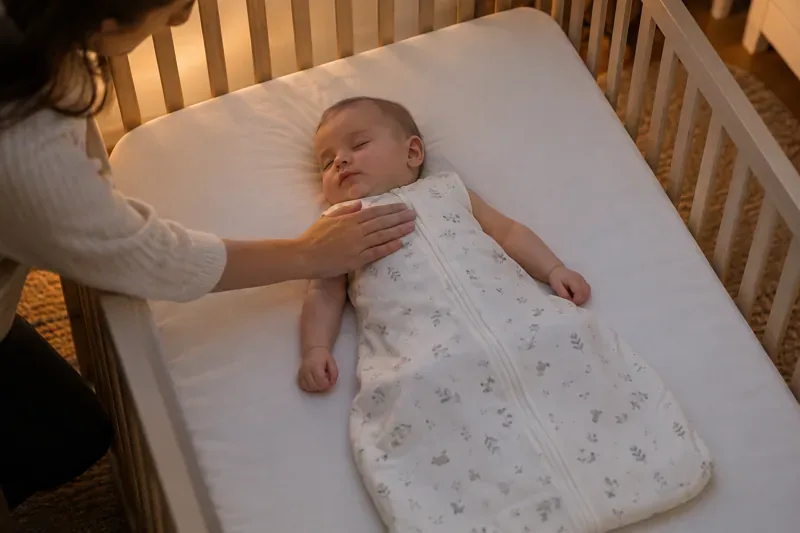
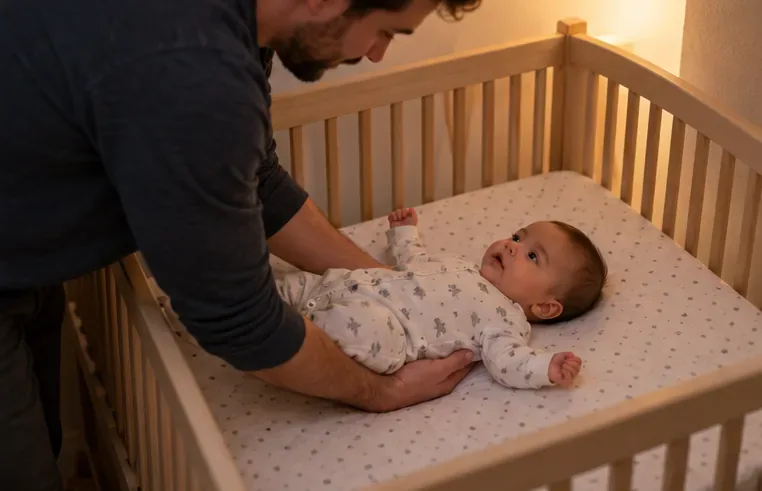
The "exercises" to develop brain for babies are very simple, just through speaking, reading and singing of adults. Performing these activities regularly will help create connections in the child's brain. However, not many fathers and mothers know this secret. Here are some of the most common misconceptions
Mistake 1: No need to talk to your baby
You think your baby is only 1 week old , no matter what you say, your baby doesn't understand and can't respond? In fact, she still listens without a single word. The synapses in the brain have been forming since the baby was born. These connections will shape the way your child learns, thinks, and develops throughout life. Children need your help to expand their curiosity and discovery mind.
Mistake 2: Babies do not know how to play
Play helps create stimuli to help children learn . So when you practice tummy, you can lie down, sing to your baby or show him colorful objects in bed. Babies love to see their parents' faces. Your baby will watch your lips move and try to imitate.

Thinking games to help your baby develop intelligence Through these thinking games, you can help your baby train his brain in the best way, help him know the system, always be confident and know how to handle situations in the best way.
Mistake 3: Parents cannot interfere with the child's intelligence
If you think that intelligence is hereditary, you should change it. It is the daily activities and experiences that determine how brain cells form and connect with each other. In fact, studies show that children who hear more talk, read, and sing more will have a broad vocabulary, do well in school, and have a greater chance of success in the future.
![The more you talk, the more intelligent you are]()
Nurturing your baby's intelligence and potential Why are there children who are good at math but find it difficult to choose a word to express their thoughts? Why are there children who draw better than their friends? The theory of 8 types of intelligence is probably the most appropriate explanation for mothers in these cases. Capture this kind of intelligence also ...
Mistake 4: Your baby is too young to learn
If you wait until kindergarten, it is too late to start learning. Parents are the baby's first teacher. But you don't need a lesson plan. Simple games like howl - ha is also your "class time". Encouraging your baby's language skills and responses can accelerate your child's language development.
![The more you talk, the more intelligent you are]()
Play, talk is a simple but effective way to help your baby smart
Mistake 5: Babies need many toys and music tapes to stimulate their brain
There is no evidence that expensive toys can help children increase intelligence. The ideal “toy” for your baby is you! Talking, singing or reading to your baby is the activity most likely to affect your child's intelligence. Try to put your baby in the stroller or take him for a walk, show the other a butterfly, the other a flower ... Next, use the kitchen kit to make a click, a kind of "music" exciting. Choose colorful clothes and show them… There are many ways to help your child learn without having to buy anything.
>> Relevant discussion from the community:
Teaching children smart: Waiting for 3 years is too late
Children are smarter when their father cares