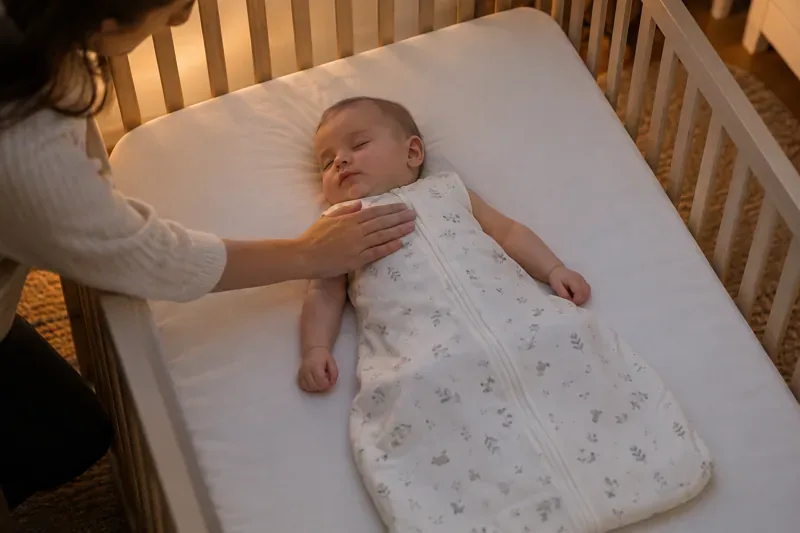
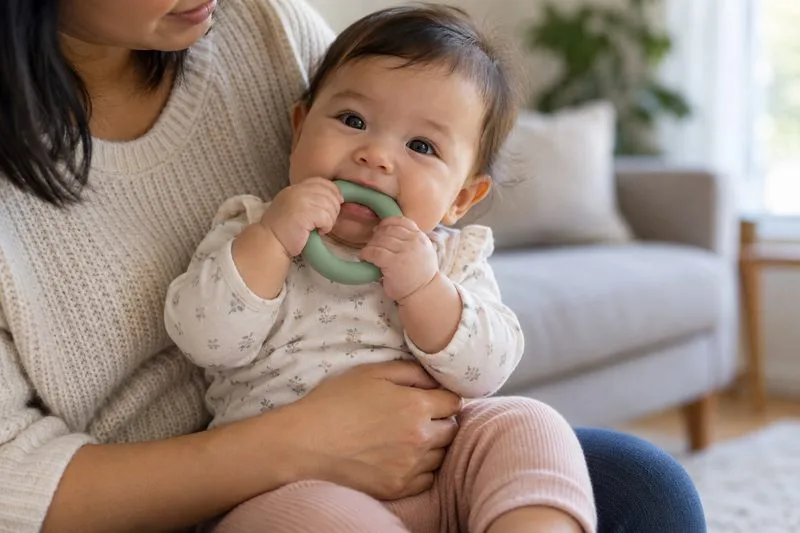
Helping children to be smart with simple things

Most intelligence is due to genetics, according to researchers. It doesn't mean there's nothing you can do to make your child smarter. You should remember, there is still a "small part" that affects the intelligence of the baby. Notice the following simple things if you want to make children smarter, mom!

>>> 10 smart parenting strategies

>>> 6 things should not be ignored if you want to be smart


Reasonable nutritional supplement


During a baby's early years, the nutrients your baby takes in are often used primarily to nourish his brain. Did you know that your baby's brain triples during this time? Therefore, a complete and healthy diet will help your baby's brain develop in a comprehensive way.

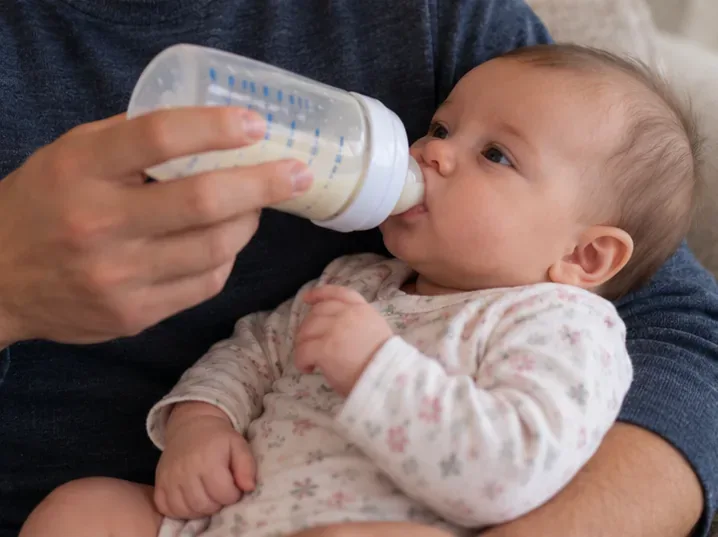
For babies under 6 months old, breastfeeding is one of the simplest ways to make your baby smarter. In breast milk contains taurin, an amino acid that helps increase brain cells, promotes differentiation of nerve cells and helps form nerve nodes. The amount of taurin in breast milk is 10 times the amount of taurin found in conventional formulas.

Helping children to be smart with simple things

A reasonable diet will help your child be smarter

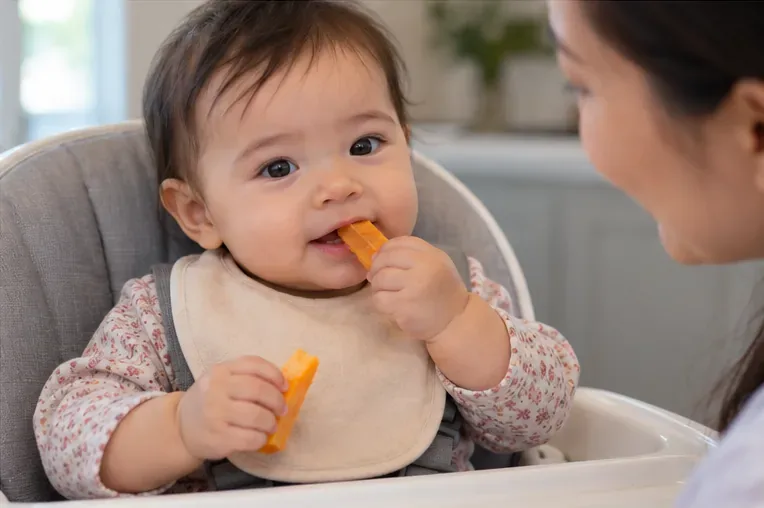
For older children, you can feed your baby a variety of 4 food groups. In particular, you should pay attention to adding foods that help your baby's brain develop completely! If you are still wondering what foods affect your baby's intelligence, you can refer to the article: Foods to help your baby smart

One thing you must pay special attention to is absolutely not let your baby skip breakfast. Not eating breakfast causes your brain to be nutritionally deficient in order to keep functioning. Even, not eating breakfast for a long time will make your baby's intelligence drop significantly. And even if your baby has a full continuous breakfast in the future, it cannot make up for this time.

The influence of the surrounding environment

Helping children to be smart with simple things

Should teach children brain-stimulating games

According to research in the United States, children exposed to strong violence from an early age will be less intelligent than other children. Children who grow up in a monotonous environment, lack of creativity, and do not receive attention from their parents tend to be less intelligent. The average IQ of 3-year-old children is about 60. Meanwhile, the children raised in the scientific environment will be much higher, in the range of 90. With the love and care of their family. You can significantly improve your baby's intelligence.

In addition, you can also teach your child games to stimulate the development of the baby's brain such as intellectual games, chess games. Reading is also a way to encourage brain development. When you read a lot, your baby will know more about life, language and thinking ability increase with each page of the book.

MarryBaby

Leave a Comment

How Two Caregivers Can Follow the Same Baby Sleep Routine

How Two Caregivers Can Follow the Same Baby Sleep Routine

Help two caregivers share a calm, flexible baby sleep routine with a clear handoff, age-aware steps, and the same safe-sleep finish.

Why Does a Baby Rub Their Face and Ears When Tired?

Why Does a Baby Rub Their Face and Ears When Tired?

Face or ear rubbing can accompany tiredness, but it is not a diagnosis. Learn common explanations, what to watch for, and when to call the pediatrician.

Why Some Babies Crawl Backward Before Moving Forward

Why Some Babies Crawl Backward Before Moving Forward

Babies may scoot backward as they learn to coordinate their arms and legs. Learn what is common, how to encourage safe floor play, and when to ask a pediatrician.

Why Diaper Rash Improves, Then Comes Back: Causes and Next Steps

Why Diaper Rash Improves, Then Comes Back: Causes and Next Steps

Recurring diaper rash may be linked to ongoing irritation, diarrhea, yeast, product sensitivity, or another skin condition. Learn what to track and when to call the pediatrician.

How to Clean Baby Feeding Equipment While Traveling Without a Dishwasher

How to Clean Baby Feeding Equipment While Traveling Without a Dishwasher

Learn a safe, practical way to hand-wash bottles and feeding equipment while traveling, including rinsing, air-drying, sanitizing, and safe-water tips.

What Should Parents Track When a Baby Has Fewer Wet Diapers?

What Should Parents Track When a Baby Has Fewer Wet Diapers?

Learn how to track a baby’s wet diapers, feeds, urine changes, and warning signs—and when a drop in output needs prompt medical advice.

Baby’s First Halloween: Comfortable Costumes and Short Photo Sessions

Baby’s First Halloween: Comfortable Costumes and Short Photo Sessions

Keep your baby comfortable in a simple Halloween costume, take a few quick photos, and follow practical guidance for warmth, car seats, and safe sleep.

Newborn fast breathing, is pneumonia visiting?

Newborn fast breathing, is pneumonia visiting?

Discover the key signs of newborn fast breathing, learn how to identify pneumonia risks, and explore effective solutions for infant respiratory health. Stay informed about your baby

Cooking oils for children 6 months old mothers should choose when children eat solids

Cooking oils for children 6 months old mothers should choose when children eat solids

Discover the best cooking oils for 6-month-old babies to ensure proper nutrition and development. Learn why fats are essential, how to use them, and which oils are most beneficial for your baby’s health.

Baby development from 3 to 6 months old

Baby development from 3 to 6 months old

Discover essential baby development milestones from 3 to 6 months old. Learn how to support your baby’s growth with expert tips and activities for better bonding and development.