Do you know all the benefits and harms of wrapping a baby towel?
1 / Wrap a towel for babies, what good for your baby?
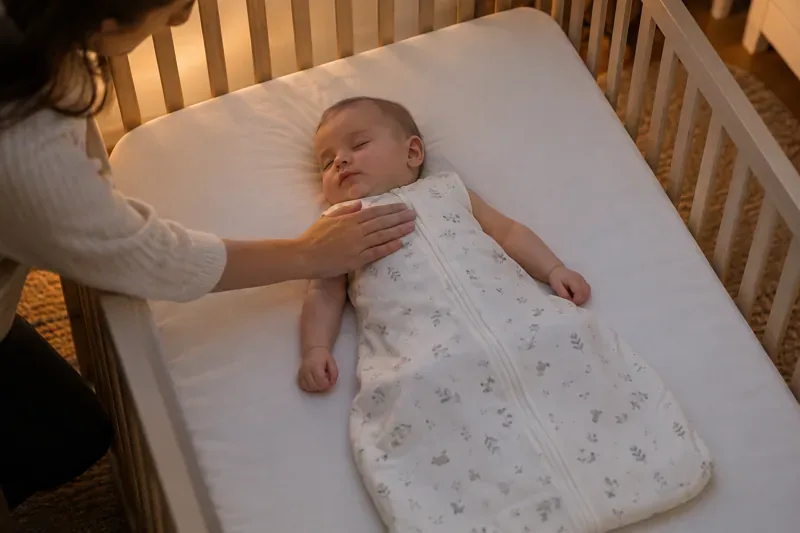
- Babies sleep better: Like the feeling in the womb, wrapping the towels will bring babies a sense of security and from there, babies will tend to sleep better and deeper.
- Babies cry less: Research has shown that, for babies under 8 weeks of age, wrapping a towel can reduce the risk of fussy crying by 42%.
- Better protection of the baby: Although it is small, an infant's nails are also very long and sharp, which can easily leave a few streaks on the face if the baby is fluttering while sleeping. Thanks to the "lock" handkerchief, the risk of "getting scarred" of the baby will be greatly reduced. In addition, a child wrapped in a towel will also be warm and avoid a lot of dust when going out in the street.
2 / Unexpected "dangers"
In addition to the 2002 study, another study by Turkish and Chinese experts also showed that bandages are one of the causes of increasing rates of pneumonia in children. According to the study, 3-month-old babies who were regularly wrapped in a towel were four times more likely to develop pneumonia than other babies. There is not an official cause, but experts believe that wrapping the cloth can affect breathing , increasing the risk of developing pneumonia. Some other opinions also said that, due to being "pinched" too carefully, the resistance did not have a chance to develop and the baby could hardly resist the attack of viruses. In addition, wrapping a towel will make the baby's body temperature rise and cause sweating. If not cleaned in time, sweat will seep back into the body, causing the baby to catch a cold.
In particular, research published in the journal Archives of Disease Childhood (UK) also pointed out a link between infant toweling and problems related to hip development. Accordingly, the baby wrapped in a towel will be at risk of developing chronic osteoarthritis and some hip diseases when growing up.
![Wrap babies in towels: Mom did it wrong, you got enough]()
3 steps to perfect baby care The first time you become a mother, you will be confused and confused about how to properly take care of the baby. If you still wonder, you can refer to the following short infant care handbook. A lot of useful information!
3 / Wrap the child properly
- The right time: Not all babies like to be wrapped in a towel when sleeping or when going out. So, instead of forcing the baby according to her own will, mothers should choose the option that best suits the baby. In addition, children 2 months of age and older do not need to depend too much on towels.
In particular, in hot weather, mothers should limit the children's towels, even when going out. Instead, mothers should choose for babies cool clothes that absorb sweat easily. When going out, mothers can bring more hats and coats so that babies can wear more when cold and remove them when hot.
- Right way:
Do not straighten baby's legs or squeeze them together when wrapped. Ideally, you should "let loose" the lower body, so that the baby's legs and hips can freely move
Wrap the towel moderately, not too loose or too tight. Being too tight will make your baby uncomfortable, but too loose will easily make the towel pop, increasing the risk of sudden death.
Don't let the towel go too high above the baby's head or neck
![Wrap babies in towels: Mom did it wrong, you got enough]()
How to wrap the towel properly for your baby to feel comfortable
>>> See more discussions with related topics:
Important steps in winter baby bathing
6 steps to protect your baby's health in winter