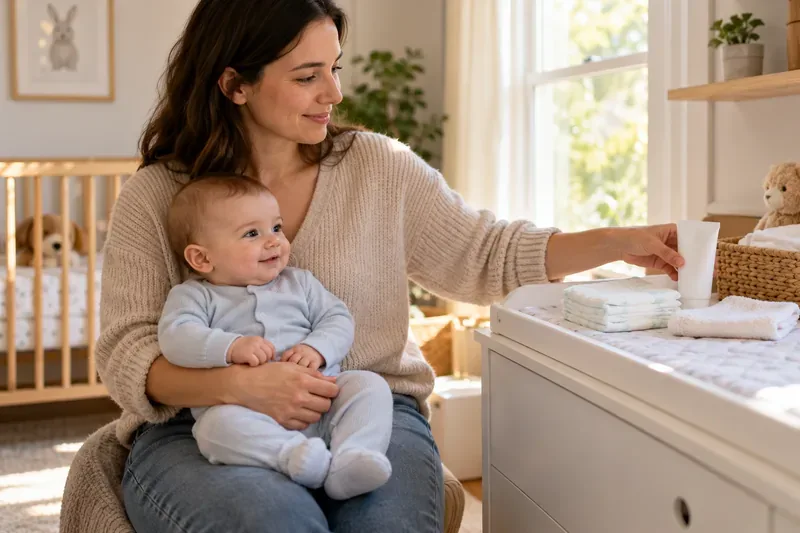
The trust of children in parents and those around them will help children easily accept what you teach. Therefore, trust is an indispensable part when you want to teach good children.
Do you know that right from birth you are able to build trust in your baby by the most basic things? Trust is the result of a child's requests for being answered and respected by a mother. Without trust, children will be suspicious and always put distance from everything around them. Trust helps children to control their emotions, feelings as well as actions. To teach good children as their parents wish, first of all, you need to build their children trust in their parents. The following 7 tips to create trust in children will be essential for you in the period from birth to toddler.
1. Always respond to children's cries
"Crying" means the child is talking, wants to be done by his mother to do something but is refused. The child's mood becomes more angry, crying ... This prolonged condition will affect the child's psychology. Gradually, children lose faith in their parents because of unrequited, even if they try to cry louder.
Crying is the “language” of babies. Through crying, babies want to tell their mom that "I'm hungry", "I want to be held by you", "I'm full of my womb" ... Mother's response to my needs is the first step. to build your baby's trust with her mother.
2. Create happy conversations with your baby
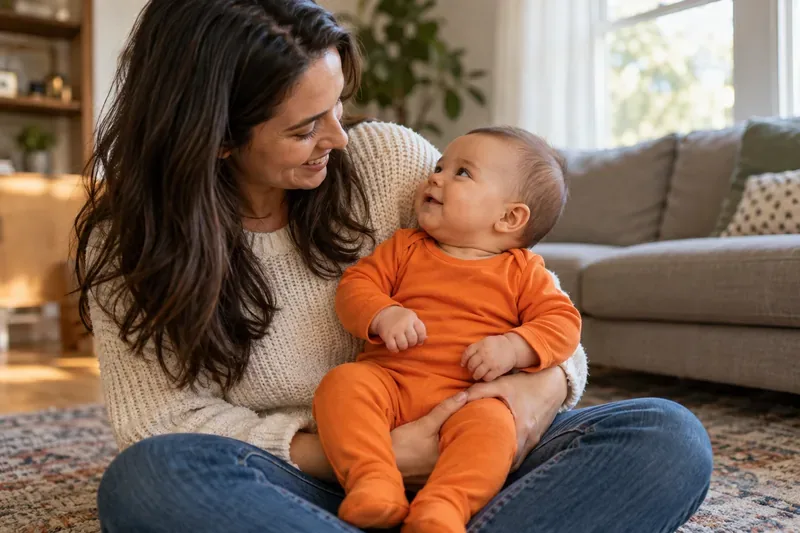
Even though the baby is young, unable to speak yet, the mother should also talk and dialogue with the baby. Communicate with eye contact, facial expressions and gestures, but I did not answer but actually they understand that she was talking to her.
Observing carefully when talking with the baby will see the child's eager eyes, the sweet voices or the sweet laughs of the child.
3. Let your child know what you are about to do
Young children also need to receive respect from their parents. When preparing to do something, the mother should talk and explain to the child. For example, when taking a shower, mom say "I'm going to bathe me", "it's time to sleep, let me go to bed" ... Just like that, the baby will understand what she is doing to me. . Getting respect for children makes it easier to build trust.
4. Let your emotions lead the way
Not every mother can fully understand the child's feelings and desires, especially when the baby cannot speak. Therefore, mothers need to pay attention to every action and gesture of the baby, even the smallest. In many cases, it's not that the baby wants to resist the "policy" of teaching your good child, but that you don't understand their needs.
Normally, babies like to lie on the familiar crib to play, but sometimes they cry and refuse. Do you think you ever want to be hugged or carried by you for a walk? Mom should not prescribe what babies like. Let your emotions guide the way. Respecting your baby's feelings is also a way to help develop your baby's trust.

Teach your children to control their emotions Want your baby to start developing self-control and being aggressive? Do not miss the following tips to teach good children.
5. Help your child calm down
Young children's emotions are often spontaneous and uncontrollable. You should identify the cause and find the appropriate method to help your child calm down as quickly as possible. Avoid letting your baby cry until exhausted. Because they are so young, they need help and they begin to learn to trust their parents.
7. Let your child freely explore
Do not interfere or surround the baby too closely that the mother should stand from far away to observe. Keep track of what children like, what they want and respect their progress, do not force them to do what they do not want.
![Teaching good children: It is necessary to start with building trust]()
Is a baby messy smart? Do you know that the messy, untidy, and orderly nature of the child is a sign that the baby is intelligent? Convincing evidence right here, mother read it right away!