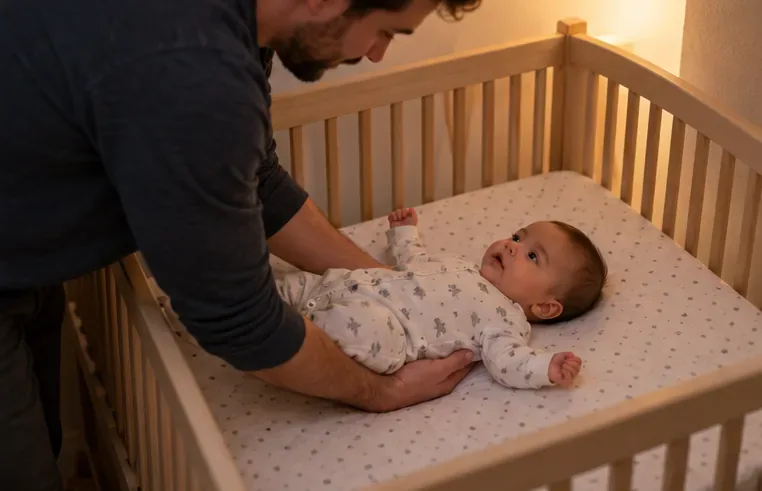
Not only the children who are anorexic, but even the children who eat and drink still do not gain weight. The main cause comes from malabsorption. So what should parents do in these cases?
content
The process of nutrient absorption in children
The cause of malabsorption in children
Signs of malabsorption in children
Expert advice on improving malabsorption in children
The process of nutrient absorption in children
The process of digestion and nutrient absorption begins with chewing, crushing food, mixing food with gastric juice, combining the hydrolysis of enzymes through gastric, pancreatic juice and secretion of bile and finally, nutrients are absorbed in the small intestine epithelium, introduced into the bloodstream and to organs to carry out life maintenance and body development functions. Malabsorption can occur with only one or some specific substances such as proteins, lipids, vitamins, minerals ... but can also occur with all types of substances.
The cause of malabsorption in children

Malabsorption is not a medical condition, but can be the result of many causes. Here are some common causes:
Lack of nutrition in the diet.
Excess mucous membranes cover the intestinal lining.
Imbalance of intestinal microflora.
Pathology of the pancreas, liver, gallbladder.
Pathology of the digestive tract such as colitis, enteritis, irritable bowel syndrome ...
Food allergies.
Lactose tolerance disorder.
Intestinal parasitic infection: helminths, amoebas ...
Persistent constipation or diarrhea.
Signs of malabsorption in children
Malabsorption has many symptoms, but not all malabsorption cases have the same symptoms. Some of the common basic symptoms are as follows:
Diarrhea
Babies have abdominal pain, bloating or bloating.
Constipation
Change in fecal nature: pale stools, fatty stools, raw stools ...
Children are tired, often drowsy, less flexible, not sleeping well
Dry skin
Children lack nutrition, do not gain weight, reduce immunity.
Expert advice on improving malabsorption in children
According to Assoc.Prof.Dr Nguyen Thi Lam (former Deputy Director of the National Institute of Nutrition), to improve malabsorption in children, parents need to adhere to the following principles:
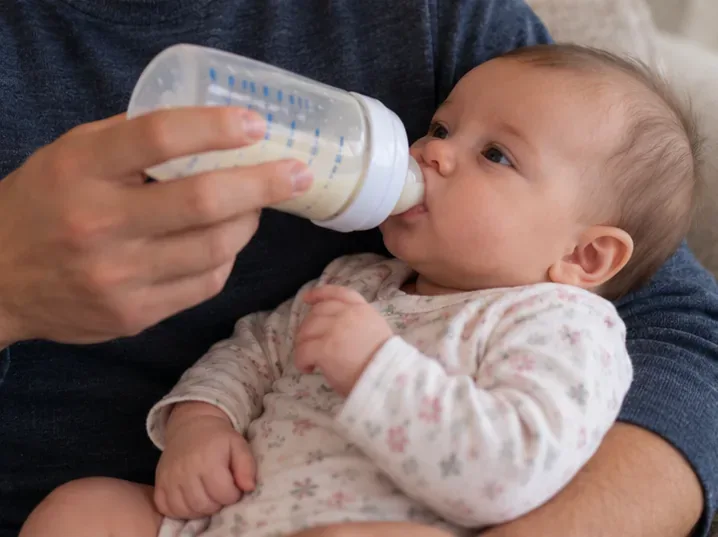
1. The baby needs to exclusively breastfeed for the first 6 months.
2. For children to eat properly, should not feed too soon or use spices before 1 year of age when the child's digestive system is incomplete, not enough digestive enzymes (enzymes) to digest food.
![Solution for children not gaining weight due to malabsorption]() 3. The child's meals should:
3. The child's meals should:
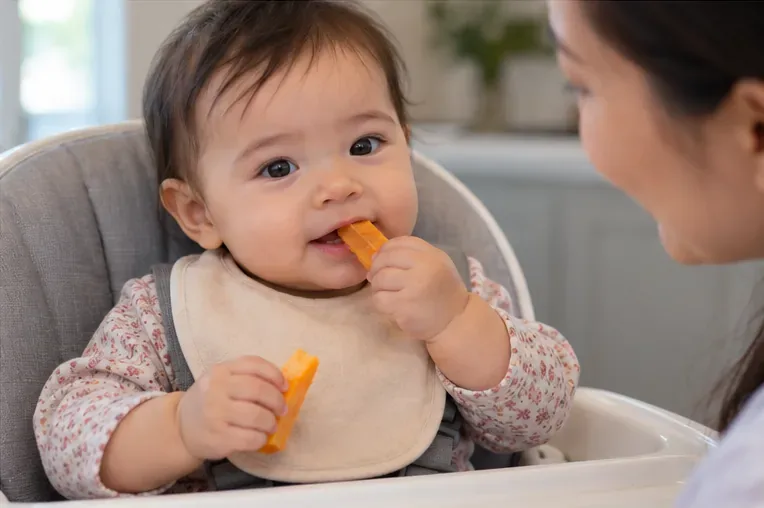
Sufficient quality: If only eating a lot but not enough, the balance of protein, fat, powdered sugar, green vegetables ... is necessary, it will be difficult for children to gain weight.
Eat variety: ensure enough nutrients for overall growth.
Do not overfeed your child.
Give your child enough water every day
Break down the serving size into several meals a day. Do not eat too much at each meal because it can lead to reduced peristalsis and affect the ability of the digestive system to absorb and absorb.
4. Worm remover periodically for children every 6 months
5. Avoid food allergies
6. Lactose intolerant babies need to choose milk that has separated this ingredient
7. Supplement herbal ingredients to help increase the secretion of digestive juices (saliva, gastric juice, pancreatic juice, bile fluid) for the best digestion and absorption.
Because the needs of each child are different, it is necessary to adjust the amount of food to suit each baby.
In addition, it is necessary to increase activities, play, exercise in the outdoors to enhance digestive absorption, avoid rickets and increase resistance.
According to Assoc. Nguyen Thi Lam, former Deputy Director of the National Institute of Nutrition, when a child experiences malabsorption, leading to no weight gain, except applying the above measures should be used for children to use products that help improve digestion and absorption. collect, help children eat more deliciously and eat a variety of foods, and provide essential micronutrients from plants that are easily absorbed for babies.
For detailed advice on the treatment of anorexia in young children, please contact 1800 8070 or visit website http://appetito.vn
![Solution for children not gaining weight due to malabsorption]()
 3. The child's meals should: