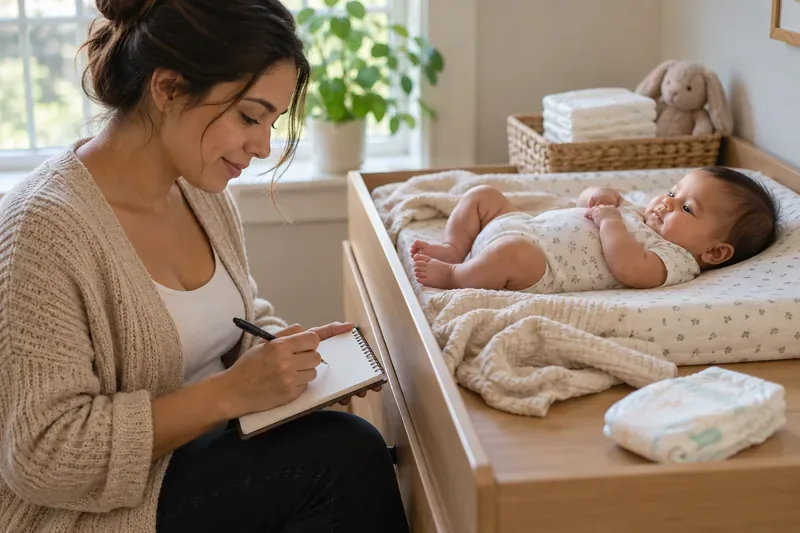
How Two Caregivers Can Follow the Same Baby Sleep Routine
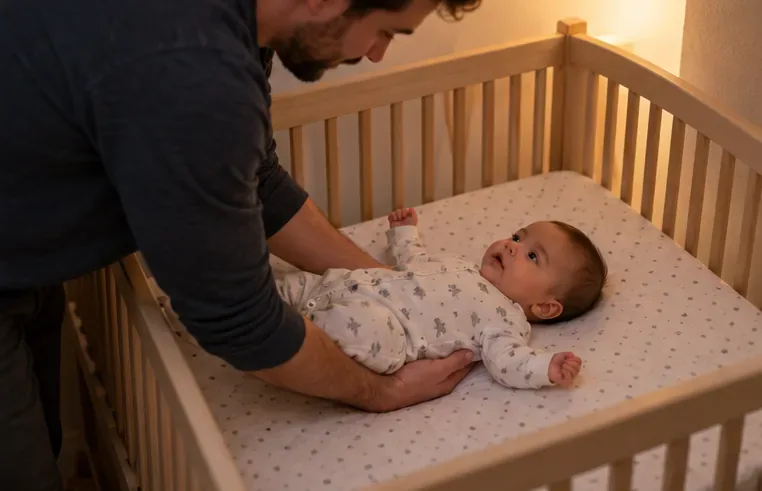
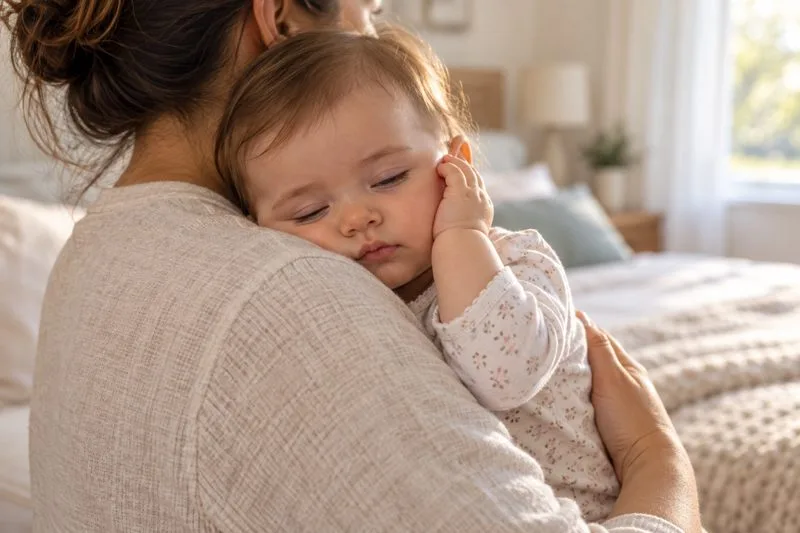
Help two caregivers share a calm, flexible baby sleep routine with a clear handoff, age-aware steps, and the same safe-sleep finish.
Besides considering whether to let babies sleep separately or to sleep with parents, whether or not babies should lie on pillows is a lot of controversy. So, are baby pillows an essential item or just a scrape?
content
Choosing to buy pillows for babies, what should mothers pay attention to?
For adults, using pillows while sleeping will help blood flow to the brain better. However, is it good for infants, especially those under 6 months old, to lay a pillow? How to choose a pillow for babies right? All the information you need is in the following article, refer now to know how to take care of a better baby, mom!

Babies who can lie on pillows several months old are the question of many mothers
The American Academy of Pediatrics recommends that mothers not let babies under 12 months old lie on pillows and other soft beds. Some other experts have even suggested delaying a pillow until 2 years younger. It is also discouraged to leave teddy bears and blankets in a child's bed, because of the following risks:
Statistics show that babies on pillows have a higher risk of asphyxiation while sleeping compared to babies who do not lie on pillows. According to experts, sleeping babies often do not have a sense of control. There have been many cases of children suffocating when sleeping due to sneaky, face-down pillow.
2. Deformed skull
Infants grow around the head quite quickly. When a baby is born, the baby's head circumference is only about 34cm. However, within the first year, an infant's height can increase by 12cm. If the baby is on a pillow, the baby's head may not be balanced and symmetrical due to the enlarged skull. In addition, the newborn baby's skull is very soft, the skull is not yet closed. If you are pinned down by a pillow and lie still in a sleeping position, your skull can deform.
3. Adverse effects on spine, head and neck
Unlike adults, a newborn's spine is a straight line. If the mother puts the baby on a pillow, the baby's neck will be twisted, thereby affecting the shape of the spine. This can affect breathing and swallowing food. According to experts, the baby's head is as big as shoulder width, so even when the baby is lying on his side, babies don't need to lie down on a pillow.
However, in a few cases when your baby has breathing problems, your doctor may recommend that you put your baby on a pillow while sleeping so that it can breathe better. Mothers should consult experts if they want to give babies a pillow early.
1. Material of pillow
All infant belongings , including pillows, blankets ... are up to ensure softness and high absorbency. Ideally, mothers should prioritize brands with origins and reputations to ensure safety for the baby's health.
With pillows, mothers should choose lightweight materials, ventilated, easy to dry for easy washing. Some natural materials such as lentil leaves, green bean pods ... are also very popular with mothers when choosing to buy pillow intestines for their babies, because of their high ability to absorb moisture. The minus point of this pillow type is that it is very moldy and has a bad smell during use. The cleaning is also very difficult. Therefore, if using pillow bowels from these materials, mothers should pay attention to change pillows for children regularly.
Note, do not choose pillows that are too soft in the gut, easy to settle when lying down, and should not choose pillows that are too hard. Choose a pillow that is moderately soft
2. Size of pillow
In addition to the material, the size is also what mothers need to consider when choosing to buy pillows for babies. Do not choose pillows that are too wide to avoid suffocating your baby. Pillows too high will affect the respiratory system and blood circulation. Ideally, mothers should only choose pillows that are equal to or slightly larger than shoulder length. For children under 6 months old, pillows should be 1-2cm thick. Children over 6 months old can lie on thicker pillows, about 3-4cm. Children from 3 years old can lie pillows 3 - 9cm.
3. How to place the pillow
According to experts, placing pillows deep in the nape of the neck, close to the shoulder blades, neck slightly arched, and tilted back 10 to 15 degrees is the most comfortable and safest place for children. In addition, mothers should also note, no matter where the baby sleeps, mothers should also limit the number of pillows placed on the child's bed.
In short, it is redundant to buy pillows for babies under 2 years old, not necessary. However, if it is compulsory, mothers should pay attention to choose the pillow with the most suitable and safest material for the child.
Help two caregivers share a calm, flexible baby sleep routine with a clear handoff, age-aware steps, and the same safe-sleep finish.
Face or ear rubbing can accompany tiredness, but it is not a diagnosis. Learn common explanations, what to watch for, and when to call the pediatrician.
Babies may scoot backward as they learn to coordinate their arms and legs. Learn what is common, how to encourage safe floor play, and when to ask a pediatrician.
Recurring diaper rash may be linked to ongoing irritation, diarrhea, yeast, product sensitivity, or another skin condition. Learn what to track and when to call the pediatrician.
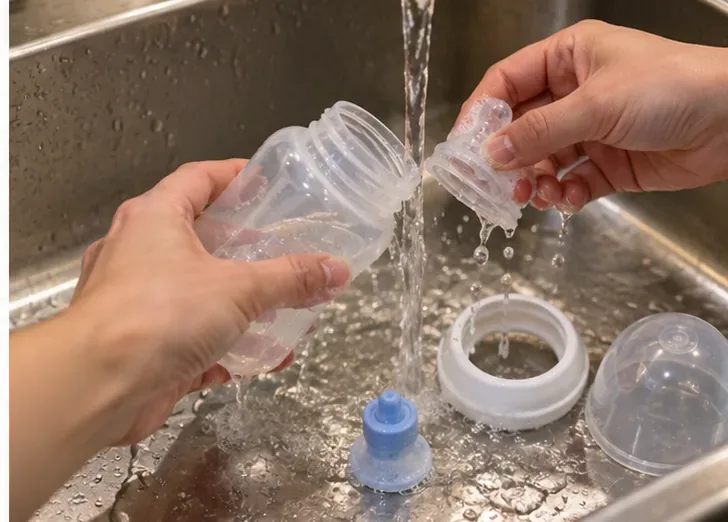
Learn a safe, practical way to hand-wash bottles and feeding equipment while traveling, including rinsing, air-drying, sanitizing, and safe-water tips.
Learn how to track a baby’s wet diapers, feeds, urine changes, and warning signs—and when a drop in output needs prompt medical advice.
Keep your baby comfortable in a simple Halloween costume, take a few quick photos, and follow practical guidance for warmth, car seats, and safe sleep.
Discover the key signs of newborn fast breathing, learn how to identify pneumonia risks, and explore effective solutions for infant respiratory health. Stay informed about your baby
Discover the best cooking oils for 6-month-old babies to ensure proper nutrition and development. Learn why fats are essential, how to use them, and which oils are most beneficial for your baby’s health.
Discover essential baby development milestones from 3 to 6 months old. Learn how to support your baby’s growth with expert tips and activities for better bonding and development.