How Two Caregivers Can Follow the Same Baby Sleep Routine
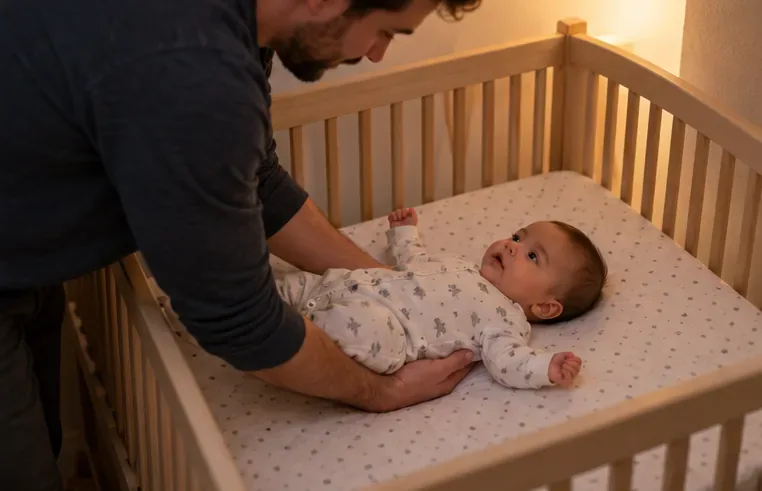
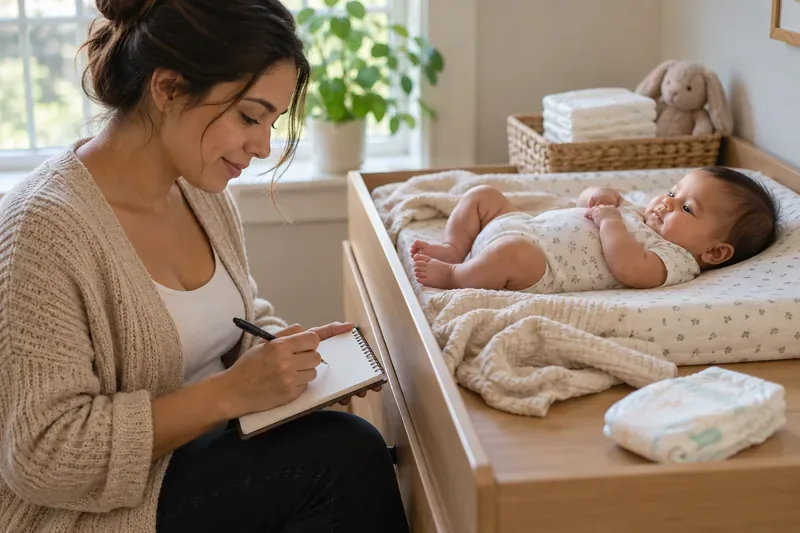
Help two caregivers share a calm, flexible baby sleep routine with a clear handoff, age-aware steps, and the same safe-sleep finish.
The biggest difficulties in putting your baby to sleep separately come from baby's worry and environmental factors. How to overcome these obstacles?
Eliminate distractions
Get things like TVs, computers and all electronics out of your baby's room to create a completely quiet and comfortable environment for your baby to sleep well. The sounds, lights and stimuli from watching TV and playing games all make it harder for your child to sleep. Of course, leaving a warm night light with a soft light in the room will also help your child focus on sleeping more.
Minimize Parental Attendance
This is obvious if you want to practice your baby's own sleep . Leave your baby's room before he goes to bed, this will reduce his dependence on you. This can be done slowly and slowly away from your child's bed each night when the baby is sleepy, allowing him to get used to your absence.

In fact, mothers can put their babies to sleep separately from the first few months, which will make the process of sleeping much easier than when they get older.
Create a sense of security
The absence of a mother, imagined monsters, can keep you awake all night in fear. Help your child feel more secure by giving him a friend like a teddy bear or a favorite blanket, or a goldfish tank by the side, so that when you're not there, there's an alternative to make. baby is more secure.
Give your baby some time to sleep on their own
Lots of parents like to put their baby in bed and then quickly come back to check on it. Keep your promise to return to me, but let me wait, buddy. Ideally, you will sleep during one of these waiting periods. If you keep returning to the room to see your baby for less than 5 minutes, chances are your baby will stay awake forever. Conversely, if you let your baby wait too long, the baby will be born worried. You need to watch and listen to know how long it is okay to wait.

Common problems when training babies to sleep on their own It is not easy to practice babies to sleep on their own. In some cases, you may need to wait a while until your baby is ready to learn to sleep on its own.
Be consistent
If your baby suddenly falls into his or her bed and asks for sleep again, make sure you always bring your baby back to his or her room and repeat the movements before bedtime. If you cannot maintain the same manners all the time, your child will understand that you can break your rules, and that there's nothing to sleep alone.
Compliment your child
Don't regret compliments when your child shows good behavior, and ignore unwelcome behaviors like nagging or crying. After a peaceful night, your children will enjoy a delicious breakfast, gently cared for by their parents. That's what goes with praising good behavior.
Help two caregivers share a calm, flexible baby sleep routine with a clear handoff, age-aware steps, and the same safe-sleep finish.
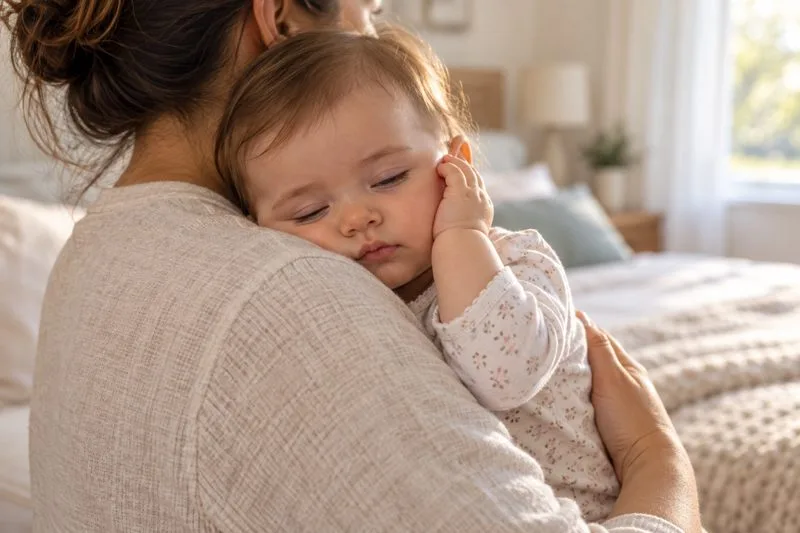
Face or ear rubbing can accompany tiredness, but it is not a diagnosis. Learn common explanations, what to watch for, and when to call the pediatrician.
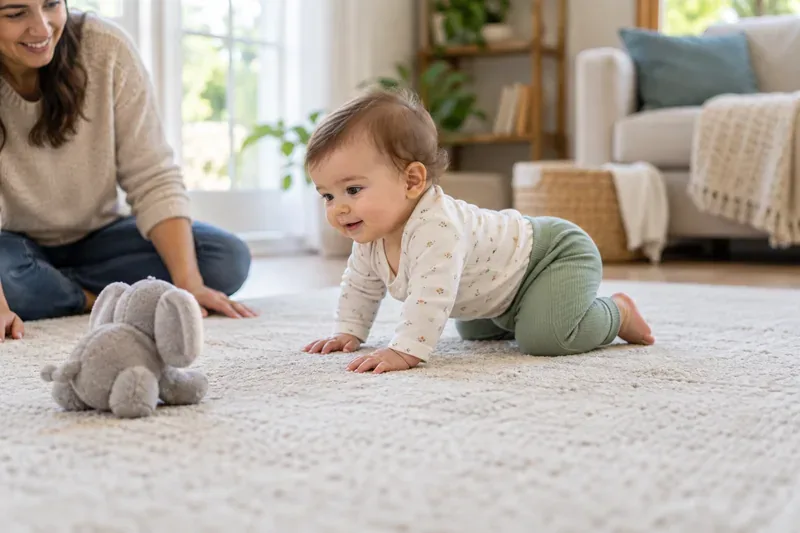
Babies may scoot backward as they learn to coordinate their arms and legs. Learn what is common, how to encourage safe floor play, and when to ask a pediatrician.
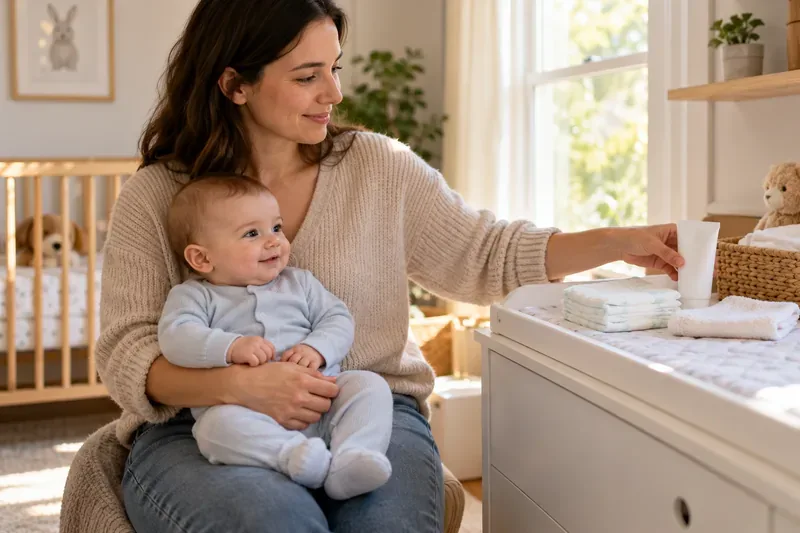
Recurring diaper rash may be linked to ongoing irritation, diarrhea, yeast, product sensitivity, or another skin condition. Learn what to track and when to call the pediatrician.
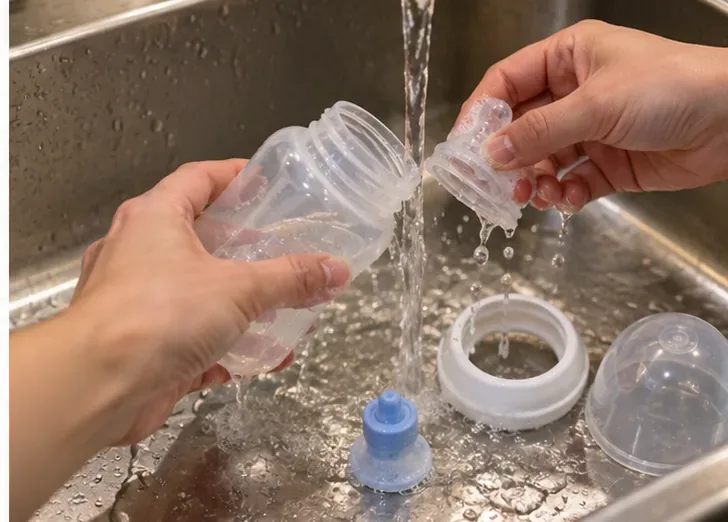
Learn a safe, practical way to hand-wash bottles and feeding equipment while traveling, including rinsing, air-drying, sanitizing, and safe-water tips.
Learn how to track a baby’s wet diapers, feeds, urine changes, and warning signs—and when a drop in output needs prompt medical advice.
Keep your baby comfortable in a simple Halloween costume, take a few quick photos, and follow practical guidance for warmth, car seats, and safe sleep.
Discover the key signs of newborn fast breathing, learn how to identify pneumonia risks, and explore effective solutions for infant respiratory health. Stay informed about your baby
Discover the best cooking oils for 6-month-old babies to ensure proper nutrition and development. Learn why fats are essential, how to use them, and which oils are most beneficial for your baby’s health.
Discover essential baby development milestones from 3 to 6 months old. Learn how to support your baby’s growth with expert tips and activities for better bonding and development.